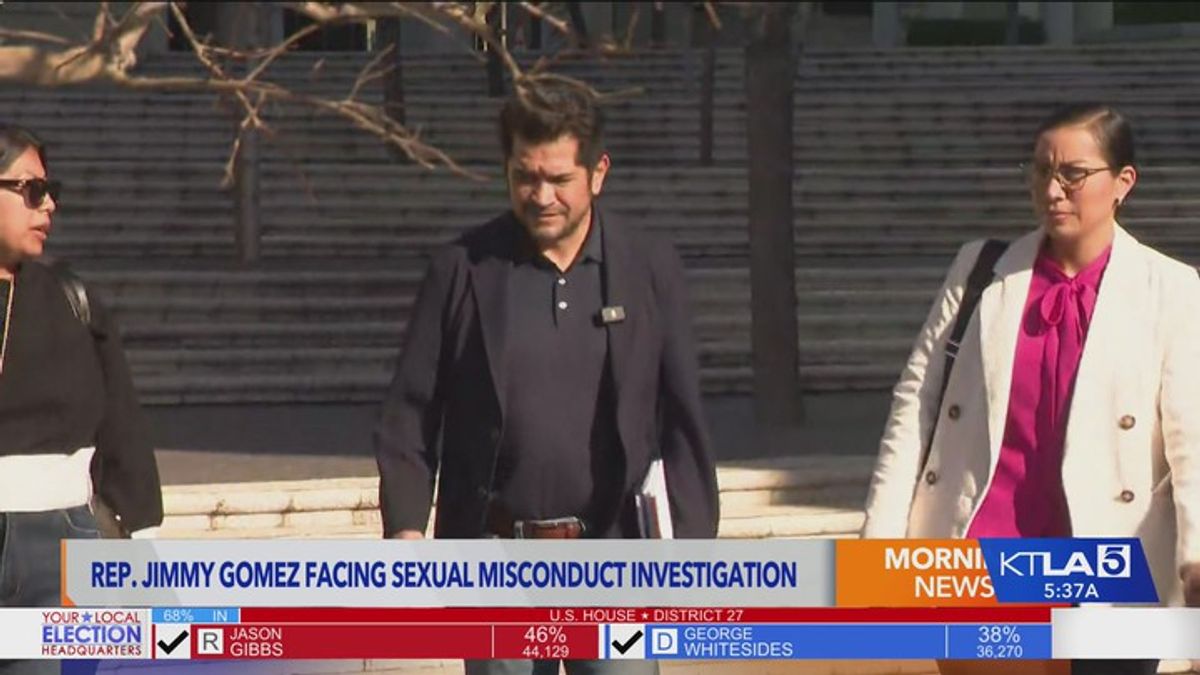
Washington is facing another messy ethics reckoning, and nobody in power looks good. The House Ethics Committee officially announced it is investigating Democratic Representative Jimmy Gomez over allegations of sexual misconduct, including inappropriate contact with a House staffer. If you've been tracking Capitol Hill scandals lately, you know this isn't an isolated incident. It's part of a sweeping wave of misconduct probes, resignations, and forced exits that are shattering the illusion of congressional accountability.
Here is what's actually happening behind the scenes, why this case matters for California politics, and what it tells us about how Congress handles its own bad behavior. Expanding on this theme, you can also read: The Strait of Hormuz Grift and the Myth of American Ownership.
The Anatomy of the Jimmy Gomez Inquiry
The investigation didn't materialize out of thin air. Months ago, reports surfaced alleging that Gomez, a five-term Democrat representing Los Angeles, was spotted kissing a much younger congressional aide from a different office at a 2023 gathering. As the bipartisan House Ethics Committee—led by Chairman Michael Guest and ranking member Mark DeSaulnier—began digging into those initial reports, investigators reportedly uncovered additional allegations.
Gomez didn't stay entirely silent. In a public statement addressing the formal announcement, the 51-year-old congressman copped to personal mistakes outside his marriage. However, he drew a hard line regarding official rules. He insisted his actions were consensual and argued they didn't violate federal law or the strict Code of Official Conduct enforced by the House. Analysts at USA Today have also weighed in on this situation.
The committee standardly noted that launching an inquiry doesn't automatically mean a violation occurred. Even so, public disclosure deals a massive blow to a politician, especially one in the middle of a heated reelection fight. Gomez is currently facing fellow Democrat Angela Gonzales-Torres in an open primary system where every political misstep becomes a campaign weapon. Gonzales-Torres hasn't pulled punches, calling out a systemic culture of abuse in Washington.
A Broader Congressional Crisis
To understand why the Jimmy Gomez investigation is making waves, look at the bigger picture. Capitol Hill is knee-deep in a tidal wave of ethical implosions.
Earlier this month, the ethics panel recommended censuring Republican Representative Chuck Edwards after a brutal report detailed persistent unprofessional conduct toward two young female staffers. Edwards dropped his reelection bid almost immediately. Meanwhile, GOP Representative Max Miller faced a separate probe regarding domestic violence and drug use allegations.
Spring brought even more dramatic exits. Lawmakers watched both California Democrat Eric Swalwell and Texas Republican Tony Gonzales resign from Congress amid separate scandals involving sexual misconduct and inappropriate staff relationships.
When lawmakers from both parties keep crashing against the same ethical guardrails, it stops looking like bad luck and starts looking like a systemic failure. The bipartisan push for reform expected when Congress returns from recess feels less like proactive leadership and more like damage control.
Political Fallout and What Happens Next
For Gomez, the timing couldn't be worse. Representing California's 34th District—spanning areas like Koreatown and Eagle Rock—he has built his brand as a progressive fighter. Now, he has to convince voters that his private actions won't compromise his public duty. He claims he has sought professional help to heal his personal relationships and vows total cooperation with the committee.
The Ethics Committee holds broad power. If investigators substantiate the claims, punishments range from a formal reprimand and public censure to expulsion or referral to the Department of Justice. Yet, committee investigations notoriously move at a glacial pace. A final resolution might not drop until after voters head to the ballot box.
Pay close attention to how leadership handles these inquiries moving forward. When politicians police themselves, transparency usually takes a backseat to self-preservation. Don't expect quick answers, but do expect the pressure on compromised incumbents to keep mounting until November.


