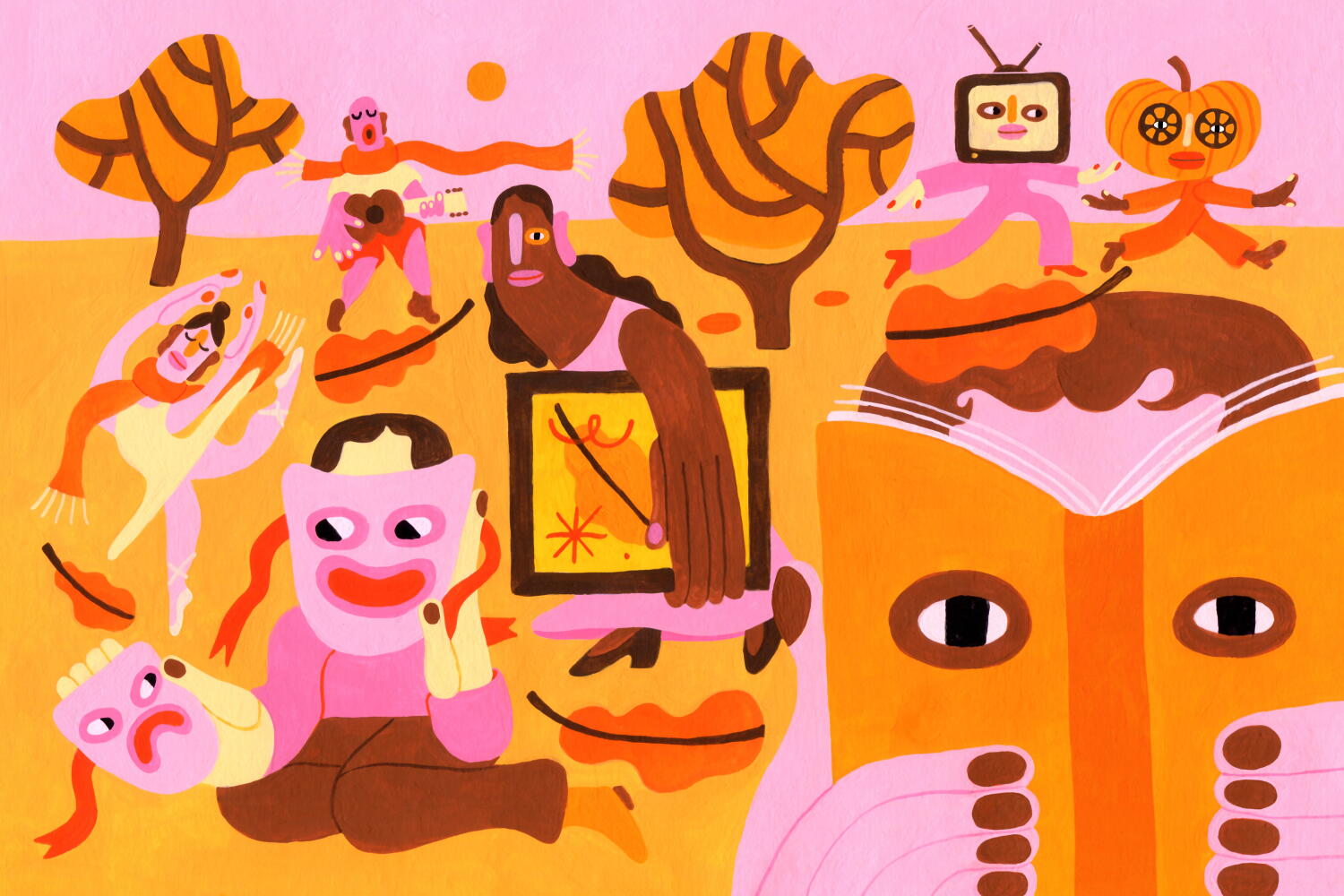
Happiness isn't a destination. It's not a finish line you cross after buying a house or hitting a specific number in your bank account. If you've ever reached a major milestone only to feel a strange emptiness ten minutes later, you know exactly what I’m talking about. Immanuel Kant, the 18th-century philosopher often remembered for his dense, brain-melting critiques, actually boiled the good life down to something incredibly simple. He argued that happiness rests on three pillars: something to do, someone to love, and something to hope for.
It sounds almost too basic. Maybe even a little bit cliché. But look closer at how most people live today, and you’ll see they’re failing at all three. We're busier than ever but doing nothing of value. We’re more connected than ever but feel incredibly lonely. We’re surrounded by "success" but have nothing real to look forward to. Kant wasn't just being poetic. He was providing a structural blueprint for a stable psyche.
The Problem With Having Nothing To Do
Most people mistake leisure for happiness. They think the ultimate goal is to sit on a beach with a drink and never lift a finger again. That’s a lie. Total passivity is a recipe for depression. Human beings are hardwired for agency. We need to exert effort. We need to solve problems. When Kant speaks about "something to do," he isn't talking about soul-crushing busywork or clearing your inbox. He's talking about meaningful activity.
Think about the concept of "Flow," popularized by psychologist Mihaly Csikszentmihalyi. It’s that state where you’re so engaged in a task that time disappears. You don’t get that from scrolling through TikTok. You get it from building something, writing, gardening, or even mastering a difficult skill at work. If your days are filled with passive consumption, you're starving your brain of the dopamine that comes from actual achievement.
I’ve seen this happen with retirees who spend decades dreaming of doing nothing. Within six months of quitting work, they’re miserable. Why? Because they lost their "doing." Without a project or a craft, your mind turns inward and starts eating itself alive. You need a reason to get out of bed that involves more than just keeping yourself fed and sheltered.
Passive vs Active Engagement
There’s a massive difference between being occupied and being engaged.
- Passive: Watching TV, mindlessly browsing social media, retail therapy.
- Active: Learning an instrument, volunteering, fixing a broken engine, raising a child.
Active engagement requires a "feedback loop." You try something, you fail, you adjust, and you eventually succeed. That loop is where the satisfaction lives. If you feel like your life is a blur of grey days, check your "doing" list. Is there anything on it that challenges you? If not, you’re missing the first rule.
Someone To Love Is Non Negotiable
We are social animals. There is no way around this. You can be the richest, most successful person on the planet, but if you have nobody to share a meal with, it’s all dust. Kant’s second rule, "someone to love," is often misinterpreted as strictly romantic. It’s broader than that. It’s about deep, meaningful connection.
The Harvard Study of Adult Development has been running for over 80 years. It’s one of the longest studies on human life ever conducted. The data is clear: the strongest predictor of health and happiness isn't IQ, genes, or money. It’s the quality of your relationships. People who are more socially connected to family, friends, and community are happier and physically healthier. They even live longer.
Loneliness is literally toxic. It’s been compared to smoking 15 cigarettes a day. In 2026, we’ve replaced real intimacy with "likes" and "follows." It’s a cheap substitute. It’s like eating sawdust when you’re hungry for bread. Real love requires vulnerability. It requires showing up when things are messy. It’s the person you call at 3 AM when your world is falling apart. If you don't have that, you’re operating on a shaky foundation.
The Vulnerability Gap
A lot of people struggle here because they’re afraid of being hurt. They keep people at arm's length. They play it cool. But you can't have the "love" part of Kant’s equation without the risk. You have to invest time. You have to be bored together. You have to argue and resolve things.
If you're feeling isolated, look at your "someone to love" category. It doesn't have to be a spouse. It could be a tight-knit group of friends, a sibling, or a community group. The point is that your existence must matter to someone else. You need someone whose face lights up when you walk into the room.
Something To Hope For Is The Fuel
This is the one people forget. You can have a great job and a loving family, but if you feel like the future is just a dead end, you’ll wilt. Hope is the psychological engine. It’s the "something to hope for."
Hope isn't just blind optimism. It isn't wishing for the lottery. It’s having a goal or a vision of the future that is better than the present. It’s the excitement of a trip next month. It’s the anticipation of seeing your hard work pay off. It’s the belief that your actions today will matter tomorrow.
Viktor Frankl, a psychiatrist and Holocaust survivor, observed this in the most extreme conditions imaginable. In his book Man’s Search for Meaning, he noted that the prisoners who were most likely to survive were those who had something to look forward to—a loved one waiting for them, a book they needed to finish, or a professional task they wanted to complete. Once a person lost their "hope for," they gave up physically. Their bodies followed their minds into the grave.
Creating Your Own Horizon
If you’re stuck in a rut, it’s often because your horizon is too close. You’re only looking at the next hour or the next day. You need to stretch it out.
- Short-term hope: A dinner date on Friday, a new book arriving in the mail.
- Medium-term hope: A vacation, finishing a certification, seeing a project through.
- Long-term hope: Seeing your kids grow up, building a legacy, contributing to a cause.
Without these markers, life feels like a treadmill. You’re running hard but staying in the same place.
Why This Simple Formula Beats Modern Self-Help
Modern self-help is obsessed with "optimization." It tells you to wake up at 4 AM, take ice baths, and track every calorie. It’s exhausting. Kant’s rules are better because they focus on the essentials rather than the mechanics.
If you have these three things, you can withstand a lot of nonsense. You can handle a bad boss if you have someone to love and a hobby you enjoy. You can handle a lonely spell if you’re deeply involved in a project and have hope for the future.
The mistake most people make is trying to find happiness directly. They "pursue" it like it’s a butterfly. But happiness is a byproduct. It’s what happens when you’re busy doing things you care about, with people you love, while looking forward to what’s next.
Audit Your Own Life
Stop looking for a "game-changer" hack and just do a quick audit of these three categories. Be honest.
- Something to do: Are you actually creating or contributing, or are you just consuming? If your work is soul-sucking, find a side project. Fix something. Build something.
- Someone to love: Who are your "3 AM people"? If the answer is "nobody," stop networking and start connecting. Call someone. Go see them in person.
- Something to hope for: What are you excited about three months from now? If nothing comes to mind, put something on the calendar. Start a plan.
You don't need a philosophy degree to be happy. You just need to stop ignoring the basics. Pick one of these three pillars that feels the weakest and put some actual effort into fixing it today. Don't wait for a "better time." That time doesn't exist. Start with the doing, lean into the loving, and keep the hope alive.