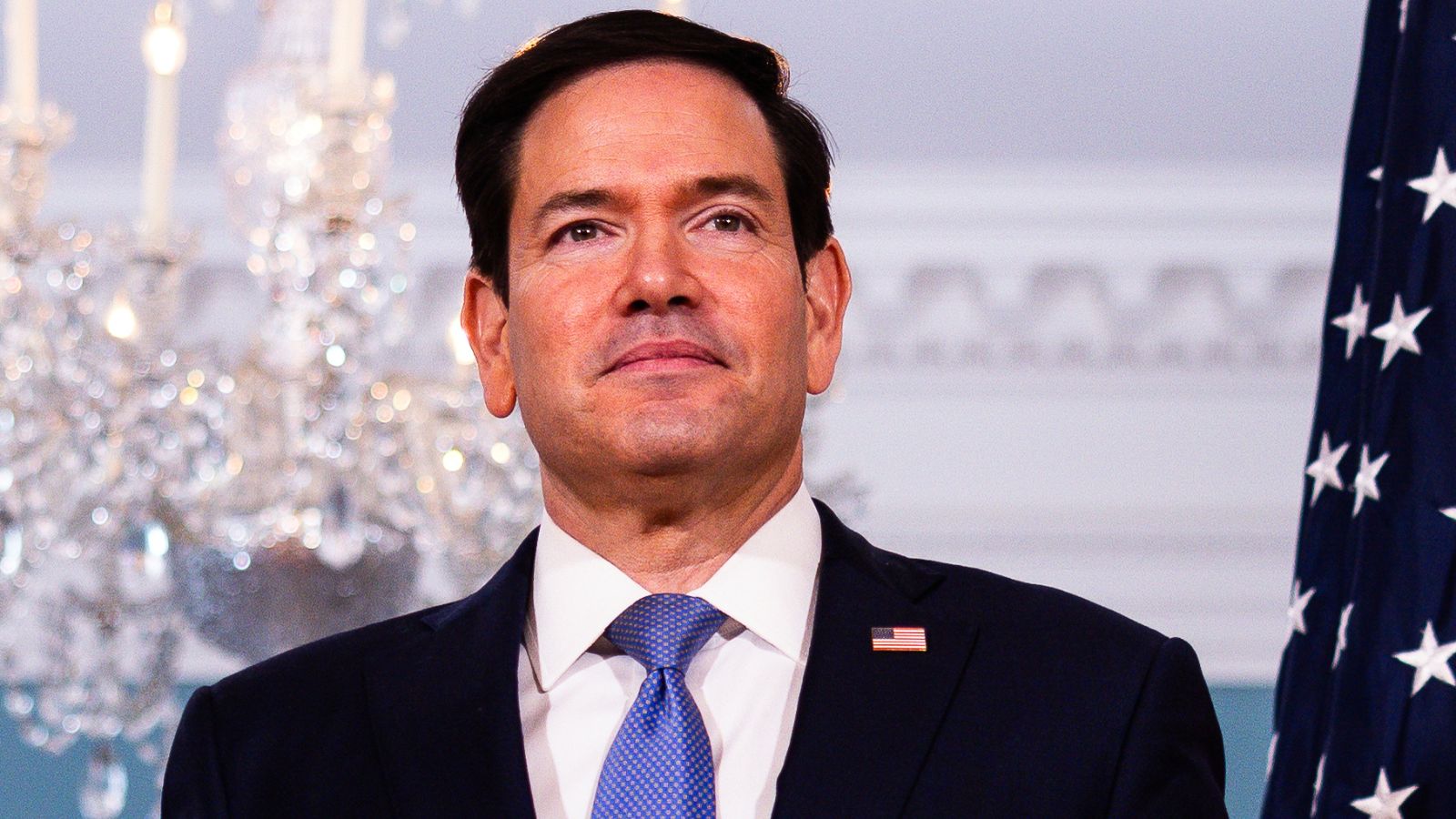
Behind every aggressive White House trade policy or sudden diplomatic claim stands a singular voice tasked with selling it to the world. When White House Press Secretary Karoline Leavitt steps up to the podium, she doesn't just read talking points. She manages high-stakes geopolitical friction.
From defending heavy tariff swings affecting New Delhi to addressing delicate regional flashpoints involving Pakistan, Leavitt's briefings dictate how global markets interpret Washington's moves. Let's break down how her messaging shapes the modern diplomatic chessboard between the United States, India, and South Asia.
The Tariff Pressure Cooker
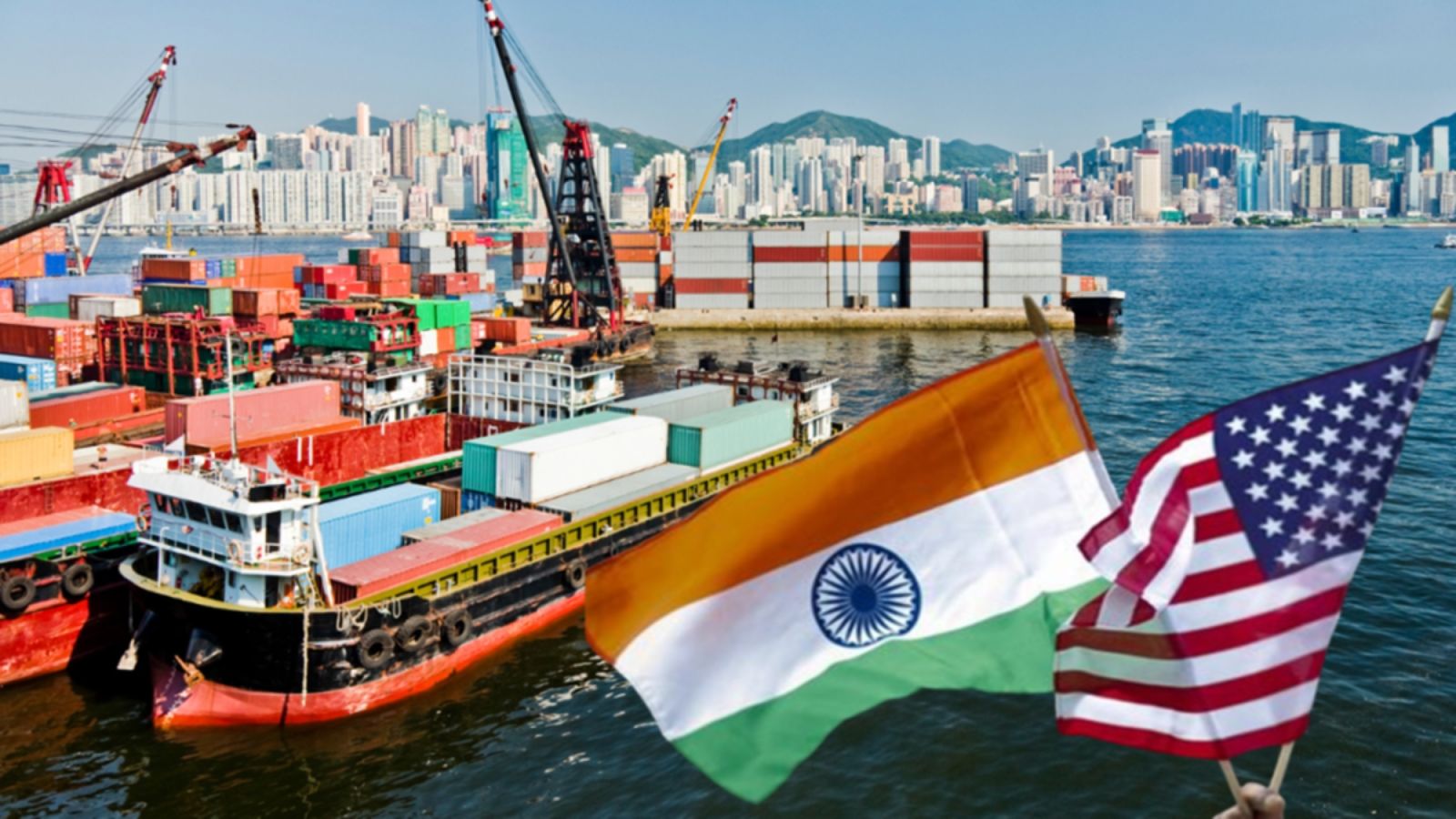
Trade policy under the Trump administration rarely follows a straight line. When Washington rolls out aggressive economic levers—such as steep baseline levies or targeted duties aimed at nations purchasing energy from Russia—the administration relies on its communications chief to justify the squeeze.
Exporters in Mumbai and tech hubs across Bangalore watch every word coming out of the Brady Press Briefing Room. Leavitt's job requires balancing two conflicting realities. She has to project economic nationalism for domestic voters while keeping strategic channels open with vital foreign partners. When tariffs fluctuate or settle into specific brackets, her announcements signal whether trade talks are breaking down or quietly moving toward a compromise.
Navigating South Asian Security Dynamics
Trade is only half the battle. Security postures involving India and Pakistan consistently test Washington's diplomatic bandwidth. Administration officials frequently field complex questions regarding regional deterrence, counterterrorism, and military supply chains.
When high-profile claims emerge from Washington about de-escalating long-standing conflicts between New Delhi and Islamabad, Leavitt serves as the primary amplifier. Analysts often parse these briefings for hidden shifts in American foreign policy. Does Washington plan to actively mediate, or will it step back to let bilateral frameworks handle regional disputes? The answers usually drop during these rapid-fire media exchanges.
Why the Messaging Matters for Global Markets
Markets hate uncertainty. Yet, modern US foreign policy thrives on high-stakes brinkmanship. For business leaders and policy watchers, understanding Leavitt's role means recognizing that White House communications are an active policy instrument.
If you're tracking bilateral ties or managing supply chains exposed to sudden tariff adjustments, stop treating press briefings as mere theatre. Watch the exact phrasing used during trade announcements. Pay attention to what gets emphasized and what gets omitted. Anticipating the next shift requires looking past the rhetoric and focusing on the underlying economic pressures driving the administration's agenda.
Trump's BIGGEST India Tariff 'U-Turn': Karoline Leavitt Reveals New US Plan
This briefing provides a direct look at the official White House announcements regarding trade shifts and tariff adjustments affecting bilateral commerce.