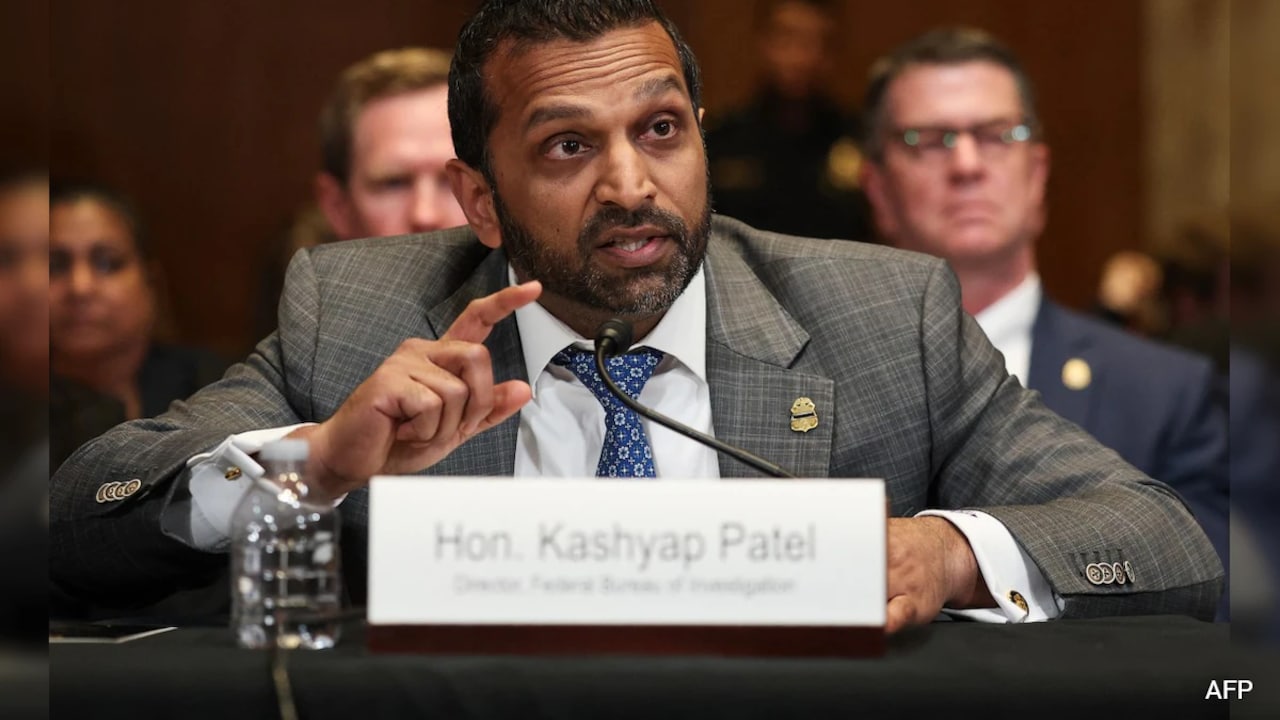
Bureaucracy usually moves quietly, but federal hiring policies exploded into public view when FBI Director Kash Patel found himself in the hot seat during a tense Senate Judiciary Committee oversight hearing. Lawmakers didn't hold back, grilling Patel over recent, quiet adjustments to the bureau's employment disqualifiers—specifically regarding past involvement in prostitution and bestiality.
If you just read the headlines, it sounds bizarre. Why would America's premier law enforcement agency alter rules surrounding things like bestiality and sex work? The reality, according to Patel and bureau officials, comes down to a nuanced distinction between perpetrators and victims.
The Real Reason Behind The Policy Shift
For years, the FBI maintained rigid, blanket disqualifications for anyone whose background history touched specific unlawful or taboo behaviors. If an applicant's file flagged certain activities, automated systems or strict policy guidelines threw them out immediately. No questions asked.
Patel explained during his testimony that the policy change was brought forward by subordinates who realized those blanket rules were unfairly punishing victims of severe human trafficking and abuse. Under the updated guidelines, the bureau aims to separate individuals who actively chose to commit certain acts from those who were forced or trafficked into them.
Take the prostitution standard adjustment. If an applicant was forced into sex work as a victim of trafficking, that history should not serve as an automatic career-ender for joining the FBI. The bureau still maintains strict bars against individuals who willingly frequented prostitutes or worked as voluntary sex workers within recent windows, but the nuance protects trafficking survivors.
Similarly, the adjustment regarding bestiality addresses horrific scenarios where victims—particularly those abused during childhood—were coerced into unthinkable acts. Patel noted that treating these individuals as automatic criminals in a background check effectively punishes the victim a second time.
A Heated Exchange On Capitol Hill
Despite the administration's rationale, the explanation didn't stop lawmakers from pressing hard. Republican Senator John Kennedy of Louisiana didn't mince words during the hearing, questioning the optics and logic of why the bureau even touched such provisions while trying to recruit top-tier talent.
Patel admitted his own initial reaction mirrored the public shock. When subordinates first pitched the revision, he asked them what planet they had parachuted in from. However, after reviewing concrete case files where applicants were proven victims of coercion, Patel concluded the rigid zero-tolerance rule needed discretion.
Critics from both sides of the aisle questioned the timing and broader implications of changing background criteria during a turbulent period for the agency. Democrats pushed for deeper disclosures regarding the data and the exact number of applicants affected by the policy update, while Republicans scrutinized the operational standards of the bureau.
What This Means For Future Federal Recruiting
Federal background investigations are notoriously grueling. Every detail of an applicant's past gets dredged up through polygraphs, interviews, and financial audits. By introducing a context-dependent approach to severe disqualifiers, the FBI is trying to balance rigid security clearance needs with modern understandings of trauma and human trafficking.
Absolute zero-tolerance policies sound great on paper because they are easy to enforce. They require zero human judgment. But rigid rules often fail when faced with the messy, painful realities of human exploitation.
Whether the public accepts this explanation or views it as a risky loophole depends entirely on how strictly the FBI enforces the remaining boundaries. The agency insists that violent offenders and voluntary criminals remain barred, but restoring institutional trust requires absolute transparency on how these exceptions are vetted. Expect lawmakers to demand ongoing oversight as the bureau tests this revised screening framework in the field.
If you want to dive deeper into how federal security clearances handle background flags, look at the Office of Personnel Management adjudication standards. Understanding those guidelines clears up a lot of the noise surrounding modern federal hiring.
Kash Patel defends FBI hiring changes on bestiality in fiery Senate hearing
This video captures the tense exchange between Senator John Kennedy and FBI Director Kash Patel during the oversight hearing where the controversial hiring policy adjustments were brought to light.