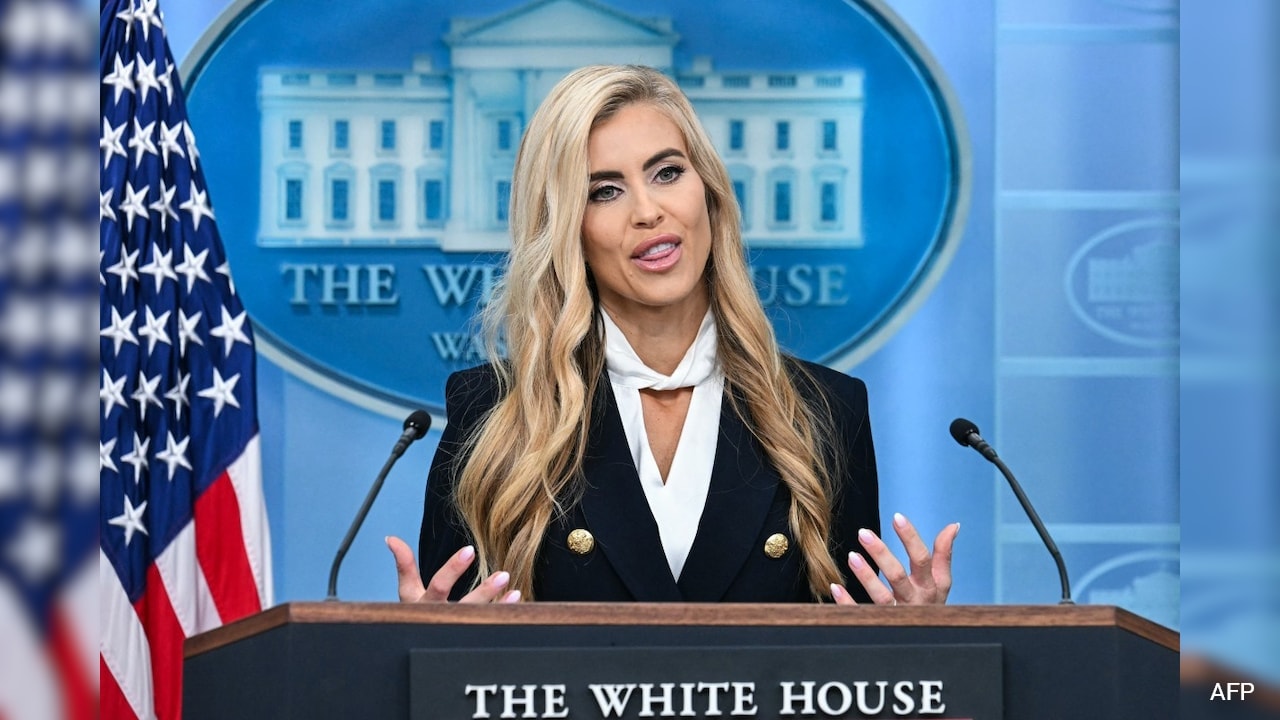
Five days was all it took for Katie Zacharia to become the shortest-serving White House press secretary in American history, exiting the job in October 2026 after a single, roughly 15-minute briefing in the James S. Brady Press Briefing Room drew bipartisan ridicule and scrutiny over her credentials. Any post-mortem on what she calls her biggest lessons from that five-day run has to start with a blunt reality. The podium did not break Katie Zacharia. A high-velocity media ecosystem where every misstep is clipped, fact-checked, and weaponized in real time exposed how thin a spokesperson's margin for error has become.
After decades of watching press secretaries walk into the West Wing believing charisma or loyalty can outrun preparation, the pattern looks familiar even at record speed. Zacharia entered the role on October 12, 2026, following a stint as a communications advisor to the Trump Media and Technology Group and brief earlier work at the Department of Homeland Security. By October 16, she was out, with the administration framing her exit as a transition to another role while President Donald Trump pointed fingers at rough media treatment.
Why a Five-Day Tenure Happens Now
Short tenures in Washington communications are nothing new, yet compressing an entire rise-and-fall arc into five days changes the mechanics of crisis management. Historically, a new press secretary had a brief grace period to learn the beat, build working relationships with bureau chiefs, and absorb policy portfolios before facing sustained heat. That buffer is gone.
When Zacharia stepped to the podium on October 13, expectations were already sky-high and unforgiving. Critics noted she spent several minutes reading prepared remarks before taking a handful of questions from outlets including Fox News, Breitbart, and the Daily Mail. Even a single slip of the tongue—such as referring to her husband as "my president"—immediately ricocheted across cable news, late-night monologues, and social feeds.
The deeper vulnerability was not just what happened during the briefing itself. It was what happened around it. Opposition researchers and reporters dug into her background within hours of her elevation, zeroing in on how she described her legal background after earning a law degree from Pepperdine without passing the California bar exam, prompting a complaint to the State Bar of California. In modern Washington, vetting rarely finishes at the appointment announcement. Vetting intensifies the moment the spotlight hits.
Loyalty Is Not a Substitute for Institutional Mastery
A recurring takeaway from spokespeople who flame out quickly is that proximity to a principal is not the same thing as command of the room. In her post-stint reflections and commentary, Zacharia leaned heavily into loyalty to Trump and accused critics of hostility toward him. That posture plays well on partisan platforms and social media. At the White House briefing room lectern, it creates a structural trap.
Press secretaries sit at an awkward intersection. They speak for the president, yet they also have to answer questions about policy details, agency actions, and shifting timelines without turning every exchange into a personal grievance. When a spokesperson treats the briefing primarily as a megaphone to amplify an agenda rather than a mechanism to field tough, unscripted queries, even friendly or neutral questions can feel like ambush territory.
Consider a hypothetical scenario to see how the pressure compounds. Suppose a newly appointed press secretary walks in without deep fluency in three active agency disputes and relies on loyalist talking points to deflect follow-up questions. The first day brings sharp headlines. The second day brings reporters comparing the spokesperson's answers against written memos or prior statements. By day three, credibility is already bleeding faster than the communications shop can patch it.
There is a legitimate counter-argument worth taking seriously. Supporters of a more combative or loyalty-first press style argue that legacy media outlets approach this administration with built-in skepticism regardless of how polished or technical the briefing is. From that viewpoint, traditional "good behavior" at the podium buys little goodwill and can even look weak to the base. That argument holds weight when evaluating audience appeal. It falters when a spokesperson is visibly caught off guard by basic scrutiny or basic mechanics of the job.
The Hidden Cost of Vetting Gaps and Over-Self-Promotion
One of the clearest lessons embedded in Zacharia's brief run is how dangerous loosely phrased credentials become under a microscope. Earning a Juris Doctor is a real academic achievement. Calling oneself an attorney or implying bar admission when you have not passed the bar invites immediate pushback from journalists, watchdog groups, and political rivals alike.
In politics, people routinely stretch titles on resumes, bios, and cable panels until someone checks the receipts. At the White House level, someone always checks the receipts. Once a credential question surfaces, it hijacks the narrative so completely that policy messages never get a fair hearing.
- Audit every title before taking a public stage: Distinguish clearly between holding a law degree, working in legal-adjacent roles, and being licensed to practice law in a specific jurisdiction.
- Rehearse hostile follow-ups, not just opening statements: Reading smoothly is easy; pivoting under skeptical questioning without sounding defensive or flustered takes reps.
- Separate personal shock from public messaging: Expressing surprise at how brutal the media environment feels gives critics ammunition and signals poor preparation for a job defined by pressure.
When the Principal Steps In Front of the Podium
Another overlooked factor in Zacharia's five-day exit is the role of the president himself. Trump has long acted as his own primary communicator, taking questions on the South Lawn, posting directly to social media, and setting the tone for the entire orbit. When the principal dominates the airwaves, the press secretary can easily be squeezed into a narrow box where every word is measured against what the president just said or might say ten minutes later.
When Trump told reporters on October 16 that Zacharia had been treated badly by the media and suggested she reconsider whether she wanted to live under that kind of pressure, the writing was already on the wall. A press secretary cannot survive long once the principal signals that the job's toll may not be worth it.
Even so, blaming the press corps alone misses half the equation. Yes, the White House press corps is adversarial, fast-twitch, and quick to pounce on stumbles. That has been true across administrations of both parties, though the volume and speed have escalated sharply. Any communications operative who treats adversarial questioning as an unfair anomaly rather than a baseline condition of the job is setting themselves up for a short stay.
What Any Communicator Should Take Away
You do not need to work in the West Wing to see the practical lesson here. Whether you are running corporate communications, crisis PR, or public affairs, overpromising on readiness and underestimating scrutiny is the fastest way to burn credibility.
Prepare for the hardest question you hope nobody asks, scrub every line of your public record before stepping into a bigger arena, and remember that confidence only protects you when it is backed by command of the facts.