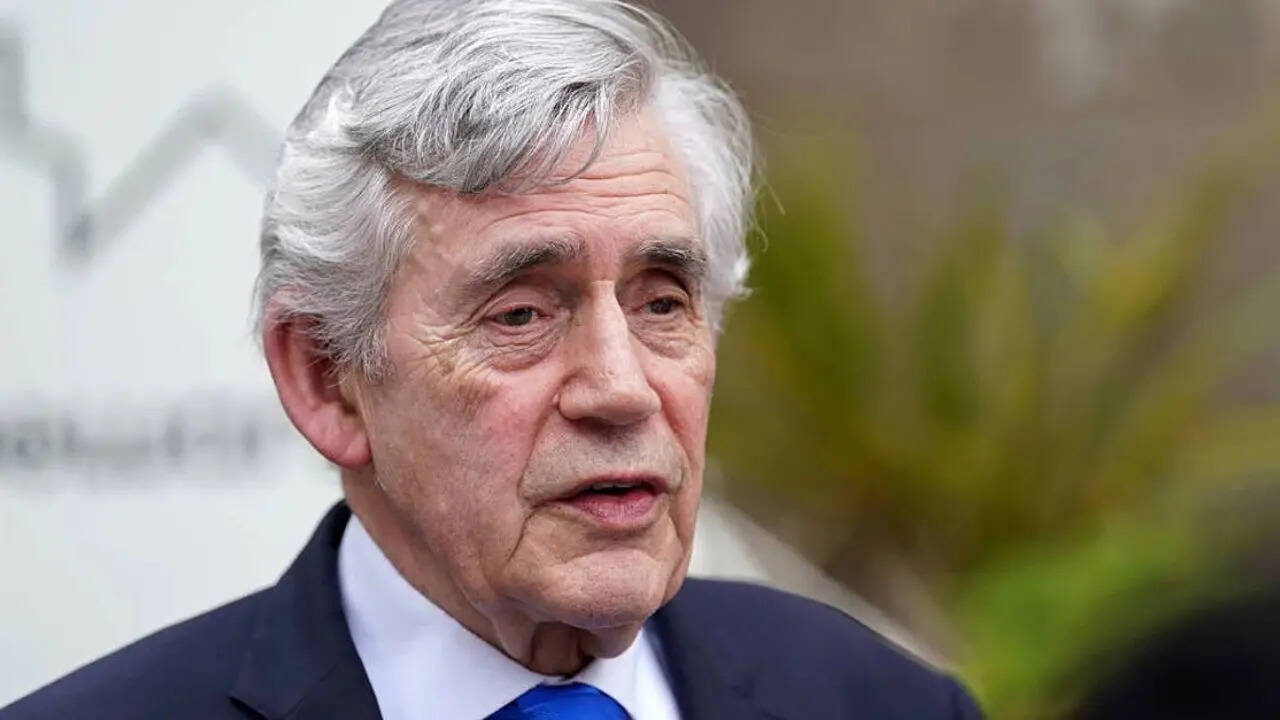
Keir Starmer is fighting for his life. Not literally, of course, but his premiership is on life support after a brutal set of election results that saw Labour haemorrhage over 1,100 council seats. When you lose control of heartlands like Birmingham and watch Reform UK snatch away your base, you don't just "carry on." You call in the big guns. That’s exactly why Gordon Brown was seen shaking hands outside Number 10 this morning.
It’s a move that smells of desperation, but it’s also smart. Brown is being brought in as the Prime Minister’s Special Reviewer on Global Finance and Cooperation. It sounds like a mouthful of dry policy, but it's actually a shield. Starmer needs the gravitas of a man who navigated the 2008 financial crash to convince his party—and the country—that there's still a steady hand on the tiller.
The logic behind the Brown comeback
You don't bring back a former Prime Minister for a minor paperwork review. The real goal here is twofold. First, Starmer is trying to bridge the gap with the European Union and the G20. Brown has the international rolodex that Starmer lacks. He’s been tasked with building "international finance partnerships" that support defense and security. It’s a clear signal that Labour wants to move closer to Europe to bolster a sluggish economy.
Secondly, it’s about internal party optics. Starmer’s backbenchers are revolting. MPs like Debbie Abrahams and Clive Betts are already talking about a "matter of months" before he should go. By flanking himself with Gordon Brown and Harriet Harman—who’s taking a role advising on women and girls—Starmer is trying to wrap himself in the cloak of Labour’s last period of stability. It’s an attempt to say, "The adults are in the room."
Why the local elections were such a disaster
If you haven't seen the numbers, they're grim. Labour didn't just lose; they were savaged from both sides.
- The Right: Reform UK took more than 1,400 seats. They aren't just a protest vote anymore; they're a legitimate threat to Labour's "Red Wall."
- The Left: The Green Party is now the second-largest national vote share after Reform. They’ve even taken control of councils like Hackney.
- The Nations: Labour lost power in Wales for the first time since devolution. That’s a historic slap in the face.
The message from the voters is loud and clear: they're tired of the slow pace of change. Starmer keeps talking about a five-year mandate, but the public seems to have lost patience in two. Honestly, the party feels directionless. Bringing back Brown is a tacit admission that the current team doesn't have the weight to fix this alone.
What Gordon Brown actually brings to the table
Brown isn't just a name. He’s a workhorse. His new role is unpaid and part-time, but don't expect him to be quiet. He’ll be reporting directly to the Prime Minister, bypassing much of the usual cabinet bureaucracy. His focus on "multilateral finance mechanisms" is basically code for finding ways to fund UK defense and infrastructure without having to raise taxes—a trick Starmer desperately needs to pull off before the next general election.
He’s also the architect of the "New Britain" report, which focused on massive constitutional reform and moving power out of London. If Starmer actually listens to him, we might see a pivot toward the radical devolution that Brown has been preaching for years. It might be the only way to win back those lost voters in the North and Midlands.
Can this save Starmer’s job
Probably not on its own. The pressure is coming from inside the house. While the cabinet has stayed loyal so far, names like Andy Burnham and Wes Streeting are being whispered in the corridors of Westminster. The "special envoy" role for Brown is a tactical win, but it doesn't solve the fundamental problem that people don't know what Starmer stands for anymore.
If you’re watching this play out, don't look at the policy papers. Look at the body language. Starmer is trying to buy time. He’s hoping that a "relaunch" speech on Monday, focused on the EU, will change the narrative. But with backbenchers already prepping a leadership contest by Monday morning if things don't improve, Brown might just be the most expensive-looking sticking-plaster in political history.
If you want to understand where the party is heading, watch how much influence Brown actually gets over the Treasury. If he starts dictating fiscal policy, it means the Starmer era is effectively over, and the "Elder Statesman" era has begun. Keep an eye on the G20 preparations—that’s where Brown will likely make his first major move.
Labour Party's Future Strategy
This video provides immediate context on the specific roles Keir Starmer has assigned to Gordon Brown and Harriet Harman following the recent election results.
http://googleusercontent.com/youtube_content/1