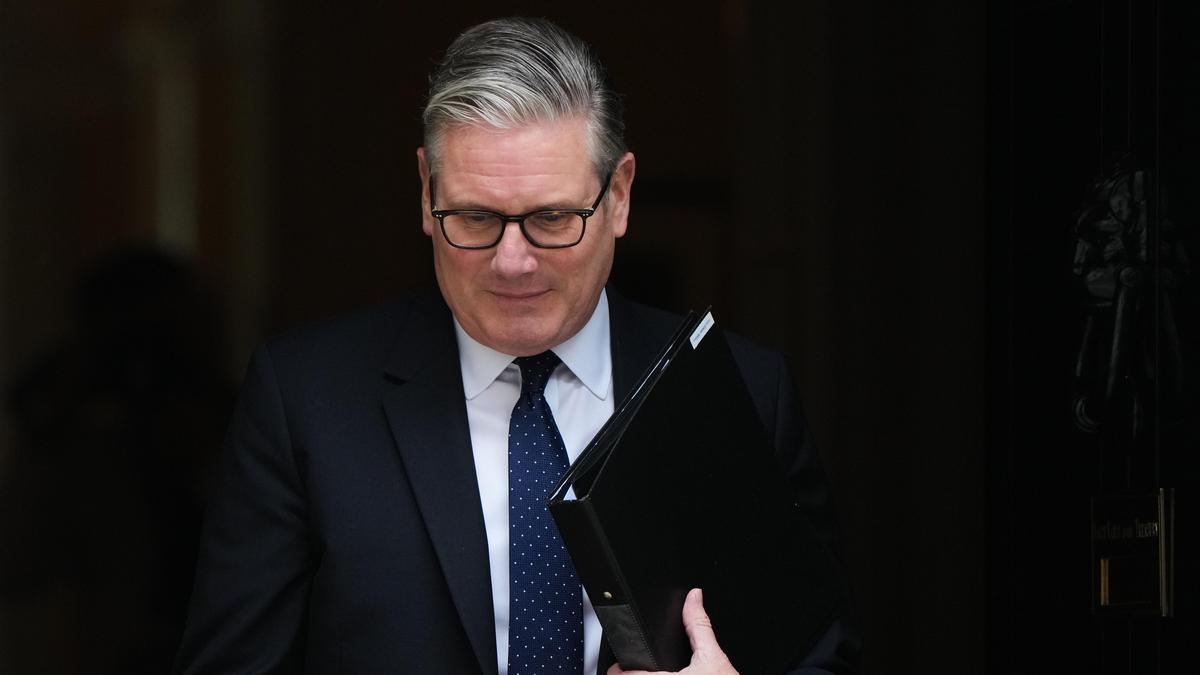
Keir Starmer isn't quitting. Despite the deafening noise from the opposition and the frantic speculation in the Sunday papers, the Prime Minister walked into the Cabinet Room this morning and made it clear he’s staying put. It’s a bold move. Some might call it stubborn. Others see it as the only way to stop a government from sliding into total chaos just as it tries to get its first major legislative hurdles cleared.
The atmosphere in Downing Street has been thick with tension for weeks. We’ve seen the polls dipping. We’ve seen the internal leaks. But Starmer’s message to his top ministers was blunt. He told them the mandate they won last year wasn't a temporary loan—it was a directive to change the country, and he’s the one who’s going to lead that change. He’s basically telling his detractors to get used to his face because he’s not moving his boxes out of Number 10.
The Reality of the Starmer Defiance
Politics is a brutal business. When things start looking shaky, the vultures start circling. You’ve probably seen the headlines suggesting a leadership challenge is inevitable. Honestly, that’s mostly wishful thinking from people who never wanted him there in the first place. By addressing the Cabinet directly, Starmer is trying to kill the "will he, won't he" narrative before it suffocates his policy agenda.
He’s betting on the fact that the British public is tired of the revolving door of leaders we saw during the previous administration. Remember the lettuce? Nobody wants a repeat of that. Starmer knows that stability is his strongest card, even if his personal popularity ratings aren't where he’d like them to be right now. He’s banking on the idea that voters value a steady hand over a flashy one.
But let’s be real here. Saying you won't resign is one thing. Actually governing effectively while your own backbenchers are whispering in the corridors is another task entirely. The Prime Minister is facing a pincer movement. On one side, he’s got an opposition that’s finally found its voice. On the other, he’s got a restless party that’s worried about the next election.
Why Resignation Was Never Actually on the Table
If you look at Starmer’s history, he doesn’t walk away. Whether it’s his time at the Crown Prosecution Service or his climb through the Labour Party ranks, he’s a stayer. He’s built his entire political identity on being the "grown-up in the room." Grown-ups don't throw in the towel because of a few bad weeks in the press.
He told the Cabinet that the current economic pressures are exactly why he needs to stay. His argument is simple. If he leaves now, the markets freak out, the pound drops, and the very people he’s trying to help get hurt the most. It’s a shield. He’s using the risk of national instability as his primary defense against internal party strife.
This isn't just about ego. It’s about the massive legislative program Labour has parked in the House of Commons. We’re talking about planning reforms, energy transitions, and the ongoing struggle with the NHS. If you swap the leader now, you hit the pause button on all of that for at least three months. In the current climate, the UK doesn't have three months to waste on a vanity project leadership contest.
Internal Friction and the Cabinet Mood
What was the mood actually like inside that room? Reports suggest it wasn't exactly a party. While the public show of unity is mandatory, the private reality is more nuanced. Ministers are under immense pressure. They’re the ones who have to go on the morning news shows and defend the government’s record.
- The Loyalists: There’s a core group that believes Starmer is the only one who can hold the coalition together.
- The Skeptics: A growing number of junior ministers are worried that the "brand" is becoming toxic.
- The Opportunists: Those already measuring the curtains for the top job, though they’d never admit it.
Starmer’s address was designed to remind them all that their fates are linked to his. If he goes down, the whole ship starts taking on water. He’s forcing them to be "all in." It’s a high-stakes gamble. If the numbers don't start improving by the next quarter, this moment of defiance might just be remembered as the beginning of the end. But for now, he’s held the line.
What Happens Next for the Government
The Prime Minister isn't just staying; he’s doubling down. Expect a flurry of announcements over the next fortnight. He needs "wins." He needs the public to stop talking about his leadership and start talking about their own lives. That means clear progress on housing and some kind of light at the end of the tunnel regarding the cost of living.
He’s also likely to tighten the grip on his own party. We’ve already seen signs of a crackdown on leakers. Discipline is going to be the watchword for the rest of the year. If you’re a Labour MP and you’re thinking about taking a swipe at the leader in a "private" briefing, you might want to think twice. Starmer is in a fighting mood.
The focus shifts now to the upcoming budget. That’s the real test. If the Chancellor can deliver a package that satisfies the markets without alienating the base, Starmer’s position becomes much more secure. If they mess that up, no amount of "I’m not resigning" speeches will save him.
Watch the backbenchers. That’s where the real story lives. The Cabinet might be falling in line for now, but the 1922 Committee—or the Labour equivalent—is where the math actually happens. Starmer needs to prove he can still win over the people who put him there. He’s survived the first wave of the storm. Now he has to figure out how to sail the ship through the rest of it.
Keep your eyes on the polls over the next month. If they continue to slide, the pressure will become unbearable regardless of what was said in Cabinet today. But if they stabilize, Starmer will have pulled off one of the gutsiest political holds in recent memory. He’s made his choice. He’s staying. Now he has to make it work.