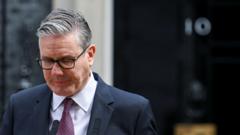
Keir Starmer stood outside 10 Downing Street and choked back tears. Less than two years after securing a massive parliamentary majority, his premiership crashed to an abrupt end. For anyone watching the headline numbers back in July 2024, this feels surreal. A 411-seat juggernaut doesn't just vanish into thin air, right?
But if you’ve been paying close attention to the fractures beneath the surface of British politics, this isn't a shock at all. It was entirely predictable.
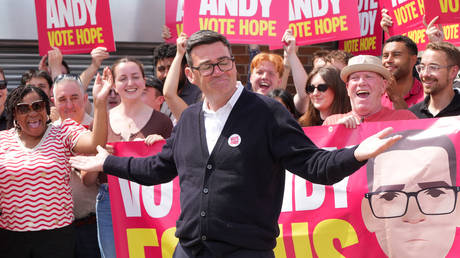
Starmer didn't just wake up and decide to walk away. He was pushed out by a mutiny within his own ranks after a catastrophic round of nationwide local elections. The immediate trigger was the Makerfield by-election, where former Greater Manchester Mayor Andy Burnham cruised back into parliament, providing a ready-made successor waiting in the wings. Within days, more than half a dozen cabinet ministers privately told Starmer his time was up.
To understand why his leadership disintegrated so fast, you have to look past the surface-level drama and examine the actual missteps, structural traps, and a massive error of judgment that sealed his fate.
The Fatal Flaw of the Loveless Landslide
Many political commentators are treating Starmer’s downfall as a sudden mystery. It wasn't. The rot was baked into his victory from day one.
In 2024, Labour won a historic majority in Parliament, but they did it with a mere 34% of the popular vote. It was a "loveless landslide." Voters didn't flood the booths because they were wildly enthusiastic about Starmer’s vision. They did it because they were utterly exhausted by fourteen years of Conservative chaos, scandal, and the rapid-fire toppling of Boris Johnson and Liz Truss.
Starmer promised to make politics boring again. He promised quiet competence. The problem with branding yourself as the adult in the room is that you leave yourself absolutely zero margin for error. When you aren't driven by a burning, ideological movement, your support is entirely transactional. The moment you look incompetent, the base evaporates.
A Toxic Mix of Freebies and Policy Flip-Flops
The cracks showed early. Before the government could even pass its first major legislative agenda, Starmer got bogged down in a damaging scandal involving high-value gifts. Accepting designer spectacles and Taylor Swift concert tickets might seem minor compared to the major scandals of previous administrations, but it destroyed his carefully curated "public service" image instantly.
Then came the policy u-turns. His administration tried to fix the country’s tattered finances by hacking away at welfare spending and proposing clumsy tax changes, like the widely hated adjustments to farmers' inheritance tax and business rates for pubs. Every time the public or his own backbenchers pushed back, Starmer blinked.
He dropped policy after policy, earning a reputation for chronic indecisiveness. In a memorable but grim speech in the Downing Street garden, he told the public that "things will get worse before we get better." They believed the first part, but saw no evidence of the second. By the spring of 2026, his approval ratings hit a historic nadir of -66% according to Ipsos data—worse than Liz Truss at her lowest point.
The Mandelson Appointment and the Epstein Fallout
If the policy failures created the dry tinder, Starmer's choice for U.S. Ambassador was the match that blew the whole thing up.
In an effort to navigate a turbulent relationship with U.S. President Donald Trump, Starmer appointed Labour elder statesman Peter Mandelson to the Washington post. Mandelson's defenders argued his deep trade expertise and comfort around the global elite made him ideal for handling the MAGA administration.
It was a colossal error of judgment. In September 2025, unsealed documents revealed the sheer depth of Mandelson’s historic ties to Jeffrey Epstein, long after Epstein's 2008 conviction. Starmer fired Mandelson quickly, but the damage was done. The Prime Minister wasn't complicit in Epstein’s crimes, but the scandal created a permanent political cloud over Downing Street that he simply couldn't shake.
Combined with international friction—such as Starmer’s initial hesitation to let U.S. forces use British bases for strikes against Iran—the special relationship soured, and his domestic opponents smelled blood.
The Radical Shift in the British Electorate
While Labour infighting dominated the headlines, the real danger was happening out in the country. British politics is no longer a simple two-party game.
With Labour stagnant and failing to repair public services, voters began fleeing in droves to insurgent parties. On the left, the populist Green Party started peeling away progressive and younger voters who felt betrayed by Starmer’s caution. On the right, Nigel Farage’s Reform UK began surging, eventually leading nationwide opinion polls and terrifying Labour MPs in working-class seats.
Look at the latest YouGov polling data from June 2026 to see how shattered the political landscape has become:
- Reform UK: 25%
- Conservative: 20%
- Labour: 18%
- Green Party: 15%
- Liberal Democrats: 14%
When you are the ruling party and you find yourself sitting in third place in national voting intentions, your backbenchers are going to panic. Labour MPs looked at those numbers, looked at their tanking local election results, and realized that keeping Starmer meant electoral suicide.
What Happens Right Now
Starmer is staying on as a caretaker Prime Minister until September 2026, meaning he will still represent the UK at the upcoming NATO summit. But power has already shifted.
The upcoming leadership race is essentially Andy Burnham's to lose. The newly minted MP for Makerfield has the momentum, the popularity outside the Westminster bubble, and the backing of key party factions. High-profile rivals like Wes Streeting have already stood down to avoid a bloody summer of infighting.
If you want to keep track of where British politics goes next from this historic turning point, stop looking at parliamentary seat majorities and start watching the regional polling. The real battle for the next Prime Minister won't just be about fixing the NHS or boosting economic growth; it will be a desperate fight to stop the bleeding of voters to Reform UK and the Greens. Keep a close eye on Burnham’s first major policy speeches over the next few weeks to see how he plans to rebuild that shattered 2024 coalition.