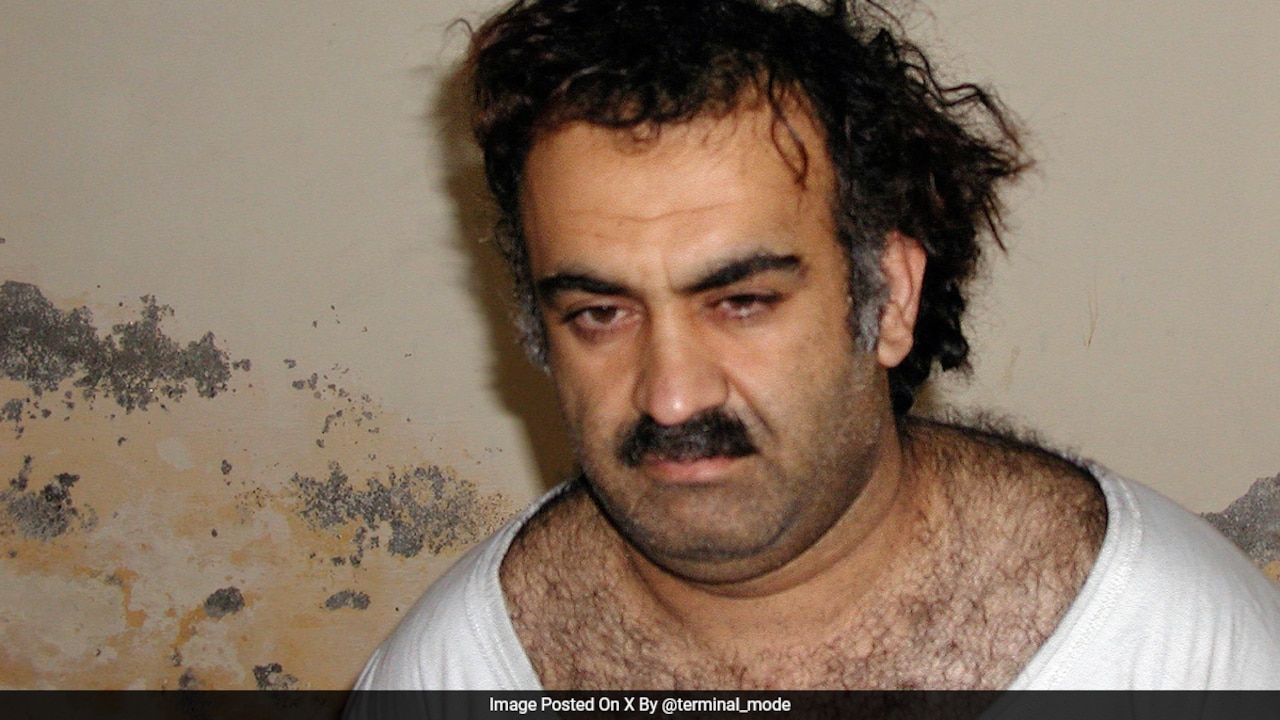
More than two decades after hijacked planes tore through the American sky, the military commission process has set a June 5, 2028 trial date for Khalid Sheikh Mohammed. Air Force Lt. Col. Michael A. Schrama pushed past prosecutors who wanted a January 2027 start, citing a mountain of unresolved pretrial motions and evidentiary battles. If you've followed this case since the 2003 capture in Pakistan, you already know this timeline is about as solid as wet cardboard. Trials have been scheduled and canceled before, and the structural rot inside this legal proceeding runs deep.
The core of the delay isn't just bureaucratic foot-dragging. It's the inescapable ghost of CIA torture. Back when Mohammed and his co-conspirators—Walid bin Attash, Ali Abdul Aziz Ali, and Mustafa al-Hawsawi—were held in overseas black sites, agents subjected them to brutal interrogation methods, including waterboarding. Defense lawyers have spent years arguing that these confessions are tainted and legally inadmissible. Prosecutors want a capital trial where they can seek the death penalty, but the tension between national security secrecy and constitutional due process has turned Guantanamo Bay into a constitutional purgatory.
Everything nearly ended quietly. Military prosecutors spent two years negotiating a plea agreement that would have traded the death penalty for life sentences without parole, forcing the defendants to finally answer written questions from victims' families. For a brief moment, closure seemed possible. Then politics blew the deal apart.
Defense Secretary Lloyd Austin yanked support for the agreement, triggering a fierce multi-court brawl. A federal appeals court ultimately ruled that the Pentagon had the legal authority to torpedo the plea deal. With the shortcut to a guilty plea eliminated, the military court had no choice but to drag everyone back to square one. Jury selection using service members will eventually have to start from scratch, assuming both sides actually hit their discovery deadlines this time around.
Victims' families remain bitterly divided. Some view a full public trial as the only acceptable form of historical reckoning for the nearly 3,000 lives lost on September 11, 2001. Others wanted the plea deal precisely because they doubted a functional trial could ever survive the endless motions.
The June 2028 date sits on the horizon like a tentative appointment everyone expects to miss. Until the military commission works through the classified evidence disputes, expect more filings, more appeals, and more waiting.