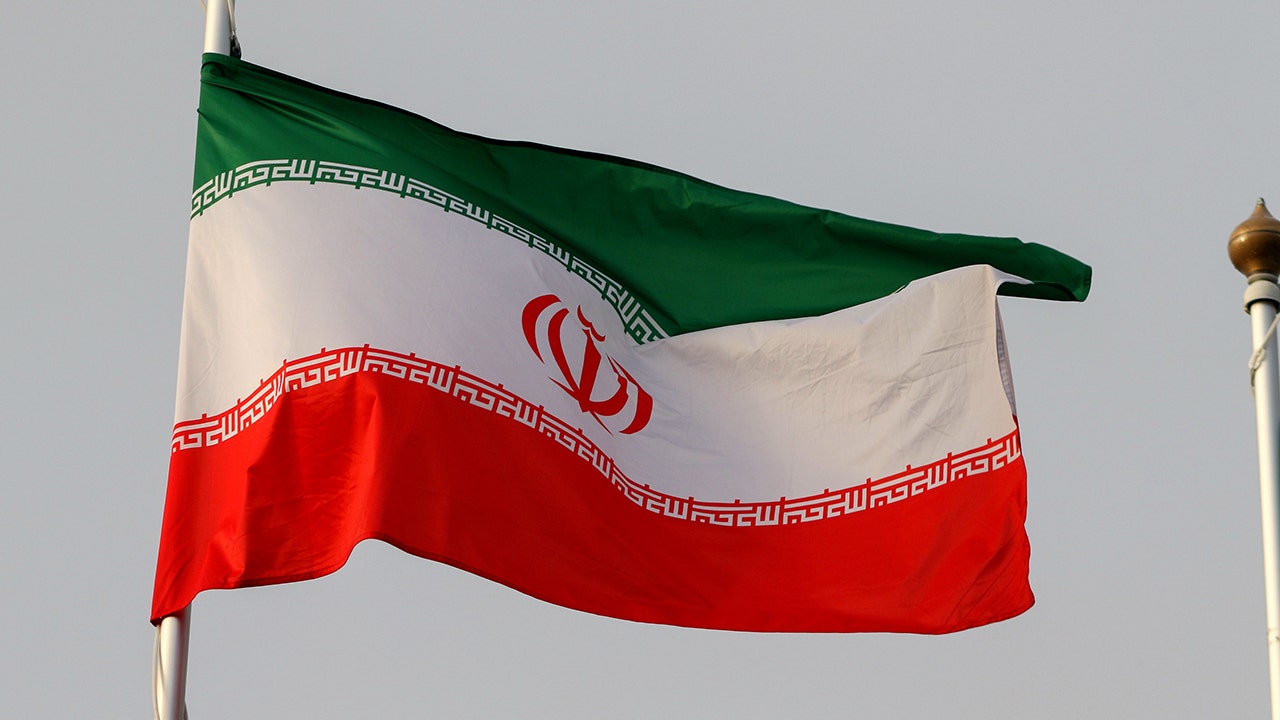
The recent escalation in western Iran signifies a pivot from shadow engagement to overt kinetic interdiction of the logistical and command-and-control (C2) nodes that sustain regional proxy networks. While conventional reporting focuses on the immediate tactical fallout, the strategic weight of these strikes lies in the degradation of the "Land Bridge" capability—the terrestrial corridor connecting Tehran to the Levant. By neutralizing specific hardened facilities, the Israeli military is not merely seeking a temporary reprieve from asymmetric threats but is actively rewriting the cost-benefit analysis for Iranian forward deployment.
The Architecture of Proximity: Defining Terror Infrastructure
Understanding the targets requires a precise categorization of what constitutes "terror infrastructure" in the context of western Iran. This is not a monolith of bunkers; it is a three-tiered ecosystem designed for the rapid projection of force.
- Logistical Intermediate Points (LIPs): These are storage facilities and transit hubs where missile components, often manufactured in the interior of Iran, are staged before being moved across the border into Iraq and eventually Syria or Lebanon.
- Technological Integration Centers: Facilities dedicated to the "GPS-ification" of legacy rocket systems. These sites house the specialized CNC machinery and guidance-system kits necessary to convert unguided projectiles into precision-guided munitions (PGMs).
- Command and Intelligence Nodes: The encrypted communication centers that facilitate real-time coordination between the Islamic Revolutionary Guard Corps (IRGC) Quds Force and their regional subordinates.
The selection of targets in western Iran specifically addresses the bottleneck of the supply chain. If the head of the snake is in Tehran and the fangs are in Southern Lebanon, western Iran functions as the neck—the narrowest point where specialized equipment must pass through a limited number of high-capacity roads and facilities.
The Calculus of Kinetic Interdiction
The decision to launch "wide-scale" strikes is governed by a specific cost function. For the Israeli Air Force (IAF), the variables include the probability of asset loss, the geopolitical friction of violating sovereign airspace, and the expected degradation of enemy capabilities.
The primary metric of success is the Mean Time to Recovery (MTTR). If a strike destroys a shipment of rockets, the MTTR is low—weeks or months. However, if the strike destroys the specialized machinery required to calibrate guidance systems, the MTTR increases exponentially due to the difficulty of procuring sanctioned high-tech components. The recent operations appear focused on high-MTTR targets, specifically targeting the specialized labor and equipment that cannot be easily replaced.
The Decoupling of Proxy and Patron
A critical strategic outcome of these strikes is the forced decoupling of the proxy from the patron. By striking inside Iranian territory, Israel signals that the "ring of fire" strategy—surrounding Israel with proxies to avoid direct conflict—is no longer a shield for the Iranian mainland. This creates a psychological and operational friction: the IRGC must now divert resources from offensive proxy support toward domestic point-defense and internal security.
The Technical Execution: Penetration vs. Precision
The effectiveness of these strikes is predicated on two technological pillars: Intelligence Persistence and Hard-Target Defeat (HTD) capabilities.
- Intelligence Persistence: The ability to maintain unblinking surveillance over target sites using a combination of SIGINT (Signals Intelligence) and high-revisit rate satellite imagery. This allows for the identification of "activity windows"—specific times when high-value personnel or sensitive equipment are present, maximizing the lethality of a single sortie.
- Hard-Target Defeat: Western Iran’s geography is characterized by mountainous terrain, which the IRGC leverages by building "eagle's nest" style facilities deep within rock formations. Neutralizing these requires advanced bunker-buster munitions capable of delayed-fuse detonation after several meters of reinforced concrete or granite penetration.
The use of stand-off munitions—missiles launched from outside the immediate range of Iranian S-300 or local Bavar-373 air defense systems—minimizes the risk to pilot and airframe while maintaining the necessary kinetic energy for deep-structure penetration.
Operational Bottlenecks and Strategic Risks
No military operation exists in a vacuum. The systematic degradation of western Iranian nodes faces several limiting factors:
- The Intelligence Gap: As the IRGC moves toward more decentralized, mobile storage solutions, the "shelf life" of actionable intelligence shrinks. Fixed infrastructure is easy to map; a moving convoy of converted civilian trucks is a significantly more complex target.
- Collateral Friction: While precision is high, any strike near civilian centers in western Iran is leveraged by the Iranian state media to consolidate domestic support against external "aggression," potentially strengthening the regime’s internal grip.
- Asymmetric Reciprocity: The most immediate risk is not a direct conventional response from Iran, but an order to proxies in the "Grey Zone"—cyberattacks on Israeli infrastructure or increased pressure on maritime chokepoints like the Bab el-Mandeb.
The Economic Attrition of Modern Warfare
Beyond the physical destruction, these strikes serve as a mechanism of economic attrition. The cost of a single Israeli precision-guided bomb is significantly lower than the cost of the facility, the specialized equipment, and the years of R&D invested by Iran in its missile program.
Furthermore, the requirement to rebuild under the shadow of persistent surveillance forces Iran into an "inefficiency trap." They must build deeper, use more camouflage, and employ more convoluted logistical routes, all of which increase the cost and decrease the speed of their operations. This "friction tax" is a deliberate goal of the Israeli campaign, aimed at making the proxy model economically unsustainable for a sanctioned Iranian economy.
Shifting the Deterrence Equilibrium
The transition to wide-scale strikes indicates that the previous "mowing the grass" strategy—striking only at the periphery in Syria—has been deemed insufficient. The new doctrine focuses on Source-Point Neutralization.
By targeting the infrastructure in western Iran, Israel is testing the limits of Iran's "strategic patience." The goal is to move the conflict from a state of manageable friction to a state of intolerable risk for the Iranian leadership. If the infrastructure required to support Hezbollah and Hamas cannot be safely housed even within Iran’s own borders, the strategic utility of those proxies diminishes.
The Role of Air Defense Systems
The interplay between Israeli offensive capabilities and Iranian defensive systems is a core technical struggle. Iran has invested heavily in the Khordad-15 and S-300 systems to protect these western nodes. The success of the "wide-scale" strikes suggests a significant gap in Iranian early warning or electronic warfare (EW) capabilities. The ability of IAF assets to operate, either directly or via stand-off range, implies that Israeli EW suites can successfully spoof or suppress Iranian radar signatures, rendering the defensive umbrella porous.
The Logistic of Replacement
When an infrastructure node is destroyed, the Iranian response follows a predictable three-phase recovery cycle:
- Assessment and Salvage: Identifying what specialized equipment survived and can be moved to secondary, undisclosed locations.
- Dispersal: Moving remaining assets into smaller, civilian-adjacent warehouses to increase the political cost of future strikes.
- Hardening: Rebuilding the original site with increased subterranean depth or improved active defenses.
The strategic objective of continuous strikes is to interrupt this cycle at Phase 1. By re-striking sites during the assessment phase or targeting the dispersal routes, the IAF prevents the reconstitution of the network.
Strategic Forecast: The Shift Toward Cyber-Kinetic Integration
The future of this conflict will likely see a tighter integration between physical strikes and cyber-operations. Before a physical strike, a cyber-attack may be used to blind the local air defense grid or disable the facility's internal communication systems, preventing the evacuation of high-value equipment.
The kinetic strikes in western Iran are not an isolated event but a data point in a broader trend of "Frontier Expansion." The theater of operation is no longer defined by the borders of Israel and its immediate neighbors, but by the entire radius of the Iranian logistics network.
The immediate strategic play for regional actors is the hardening of their own defensive postures and the acceleration of intelligence-sharing agreements. For the Iranian leadership, the choice is increasingly binary: continue the current path of proxy support at the risk of direct, high-value domestic losses, or recalibrate the "Land Bridge" project to focus on less vulnerable, albeit less effective, delivery methods. The degradation of western Iranian infrastructure suggests that the period of cost-free proxy warfare has ended.
The next operational phase will likely involve the targeting of "dual-use" facilities—civilian airports or industrial parks used for clandestine military purposes—which will further escalate the international legal and political scrutiny of the conflict. The focus must remain on the technical and logistical reality: as long as the Iranian "neck" remains under kinetic pressure, the "fangs" in the Levant will lack the venom of precision-guided certainty.
The strategic priority is now the sustained suppression of the IRGC's ability to recalibrate. This requires an increase in the frequency of sorties and a widening of the target set to include the raw material supply chain, moving beyond the finished products of war to the very industrial base that generates them.
Would you like me to map the specific geographical bottlenecks of the Iranian 'Land Bridge' to identify the next high-probability target zones?