The camera flash changes a person. If you stand under its heat long enough, the boundary between who you are and who you play dissolves entirely.
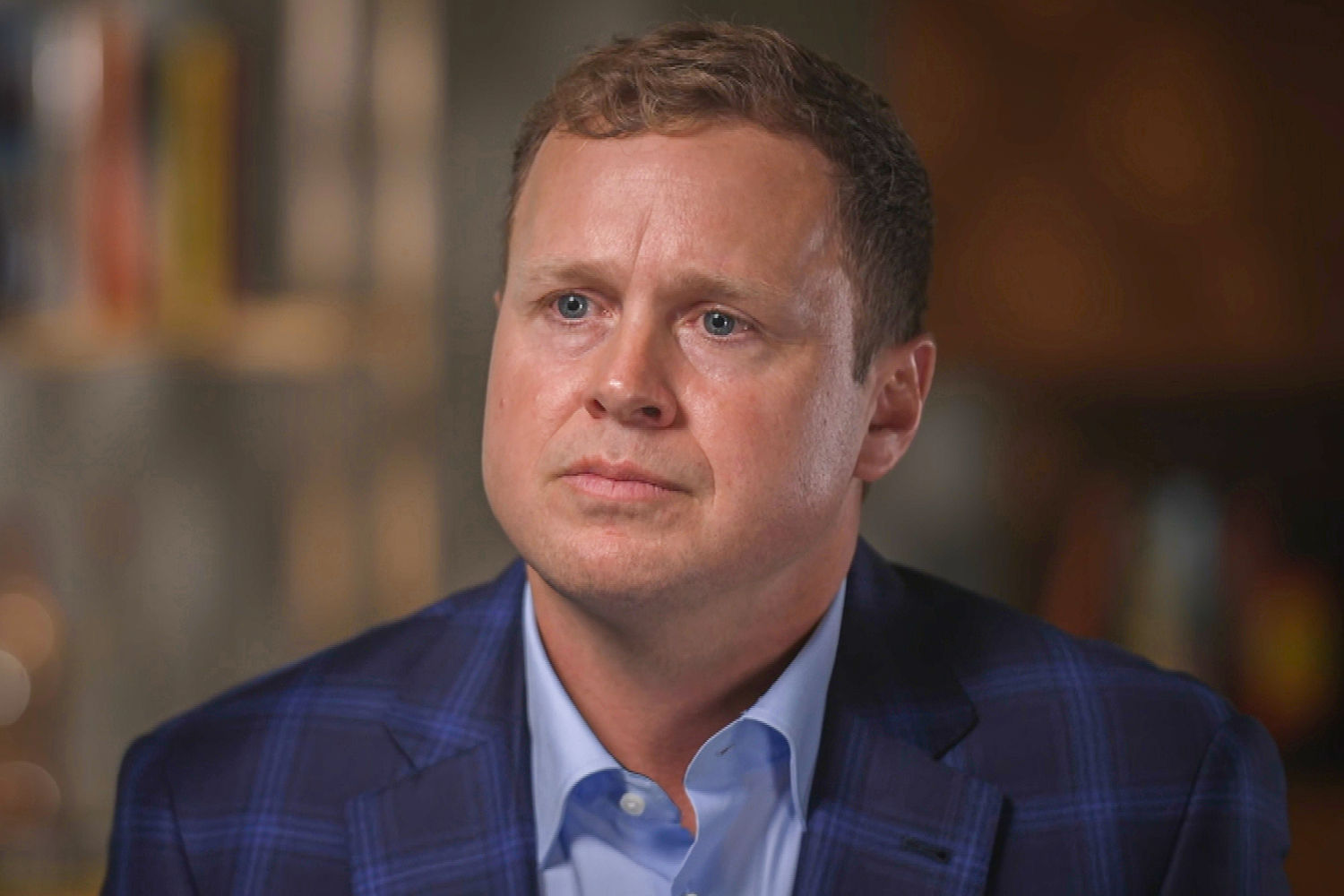
For two decades, Spencer Pratt lived behind that glass. He was the man America loved to hate on The Hills, a villain engineered by MTV producers and fueled by his own relentless instinct for attention. He knew exactly which buttons to press to make a nation gasp, cry, or throw their remotes at the screen. It was performance art masquerading as a life.
But a strange thing happens when the cameras turn off and the world keeps spinning. The stage expands. Today, the theater of American politics looks less like a polished debate hall and more like a Sunday night episode of reality television. The metrics are the same: outrage, engagement, visibility, and the intoxicating power of a well-timed headline.
So it should surprise absolutely no one that Spencer Pratt is running for Mayor of Los Angeles.
What should surprise us is what happened when the biggest, loudest megaphone in American political history decided to shout his name. Donald Trump handed Pratt an endorsement. It was the kind of political gold major party candidates spend millions to secure.
Pratt looked at the endorsement, shrugged, and walked away.
The Validation Trap
We live in an era obsessed with permission.
Think about the last time you tried to make a major decision. Maybe you wanted to pivot your career, buy a house, or simply voice an unpopular opinion at a dinner party. What did you do first? You looked around. You sought a nod of approval from a boss, a parent, a spouse, or a mentor. We crave the shield of someone else’s authority because it protects us from the terrifying possibility of failure. If things go wrong, we can point to the person who gave us the green light and share the blame.
In the political arena, this craving is magnified a thousand times over. Endorsements are the currency of the realm. They are institutional security blankets.
When Donald Trump threw his weight behind Pratt’s mayoral bid, the political playbook dictated a specific response: a glowing press release, a social media blitz, and a sudden, sharp pivot toward the donor class that follows that specific brand of populist gravity. It was a ready-made platform, handed over on a silver platter.
Pratt rejected the playbook.
"I don't need anyone's endorsement," he said.
It was a line delivered with the casual indifference of a man who has spent twenty years realizing that the audience’s attention is the only endorsement that actually matters. By refusing to bow to the nod, Pratt revealed a deeper truth about modern power: the moment you accept someone else’s validation as your foundation, you hand them the keys to your house.
The Currency of Attention
To understand why a reality television star would reject the backing of a former president, you have to understand the economy they both inhabit. It is not an economy of dollars, cents, or policy papers. It is an economy of eyeballs.
Consider a hypothetical voter in Los Angeles. Let’s call her Sarah. Sarah is thirty-four, works in digital marketing, and spends two hours a day stuck in bumper-to-bumper traffic on the 405. She passes tents lined up under overpasses. She watches gas prices tick upward on the digital signs. She feels a ambient sense of dread about the future of her city.
When Sarah looks at standard politicians, she sees ghosts. She sees focus-grouped statements, tailored suits, and practiced smiles that feel entirely disconnected from the frustration she feels while idling on the asphalt. They speak a language of bureaucratic incrementalism that sounds like static.
Then there is Spencer Pratt.
Whether you love him or despise him, Pratt is vibrant. He is present. He understands that in a world drowning in information, the worst sin is not being controversial—it is being boring. For a voter like Sarah, a candidate who refuses to bow to political heavyweights feels weirdly authentic, even if that candidate spent his youth staging paparazzi photos for a living.
It is a profound irony. The man who became famous for being fake is now leveraging the appearance of absolute independence to look like the only real person in the race.
The Invisible Stakes of the Sunset Strip
Los Angeles is a city built on illusions, but its problems are brutally concrete.
The city is a beautiful, fractured masterpiece. It is a place where billionaires live blocks away from people sleeping on cardboard boxes. The infrastructure is straining under the weight of decades of mismanagement. The local government often feels like a sprawling labyrinth where good intentions go to die in committee meetings.
Running a city of nearly four million people requires more than a savvy understanding of TikTok algorithms. It requires an understanding of sewage systems, zoning laws, labor unions, and budgetary deficits. It requires the grueling, unglamorous work of sitting in fluorescent-lit rooms listening to hours of public comment.
This is where the narrative arc hits a wall of cold reality.
Pratt’s declaration of independence is a masterclass in branding. It positions him as the ultimate outsider, a lone wolf beholden to no one but the people. It makes for incredible television. It generates millions of dollars in free media coverage.
But what happens when the cameras stop rolling and the actual work begins?
The danger of the reality-TV-ification of politics is that it treats governance as a performance. If the goal is simply to stay in the news cycle, then a controversial statement or a dramatic rejection of an endorsement is a massive victory. But if the goal is to fix the potholes on Wilshire Boulevard or find shelter for thousands of unhoused residents, that same performance is utterly useless.
The Mirror We Refuse to Look Into
We blame politicians for turning the world into a circus, but we are the ones buying the tickets.
Every time we click on a sensational headline instead of a detailed policy breakdown, we vote. Every time we share an outrageous clip on social media because it makes our blood boil, we vote. We have created an environment where the skills required to get elected—charisma, theatricality, media manipulation—are diametrically opposed to the skills required to actually govern.
Spencer Pratt is not the cause of this shift. He is simply the mirror reflecting it back at us.
He knows us better than we know ourselves. He knows that we are tired of the old scripts. He knows that we are hungry for someone who will break character and say something unexpected, even if it is reckless. His rejection of Trump’s endorsement wasn't just a snub to a political figure; it was a calculated demonstration to the public that he answers to no one's script but his own.
It is a intoxicating illusion of freedom.
The sun sets over the Pacific, casting a long, golden light across the smog-tinged horizon of Los Angeles. Palm trees stand like dark silhouettes against a neon pink sky. Beneath them, the traffic crawls forward, thousands of red taillights bleeding into a single, continuous river of frustration. The city is waiting for an answer, trapped between the exhausted promises of the past and the glittering, unpredictable theater of the present.