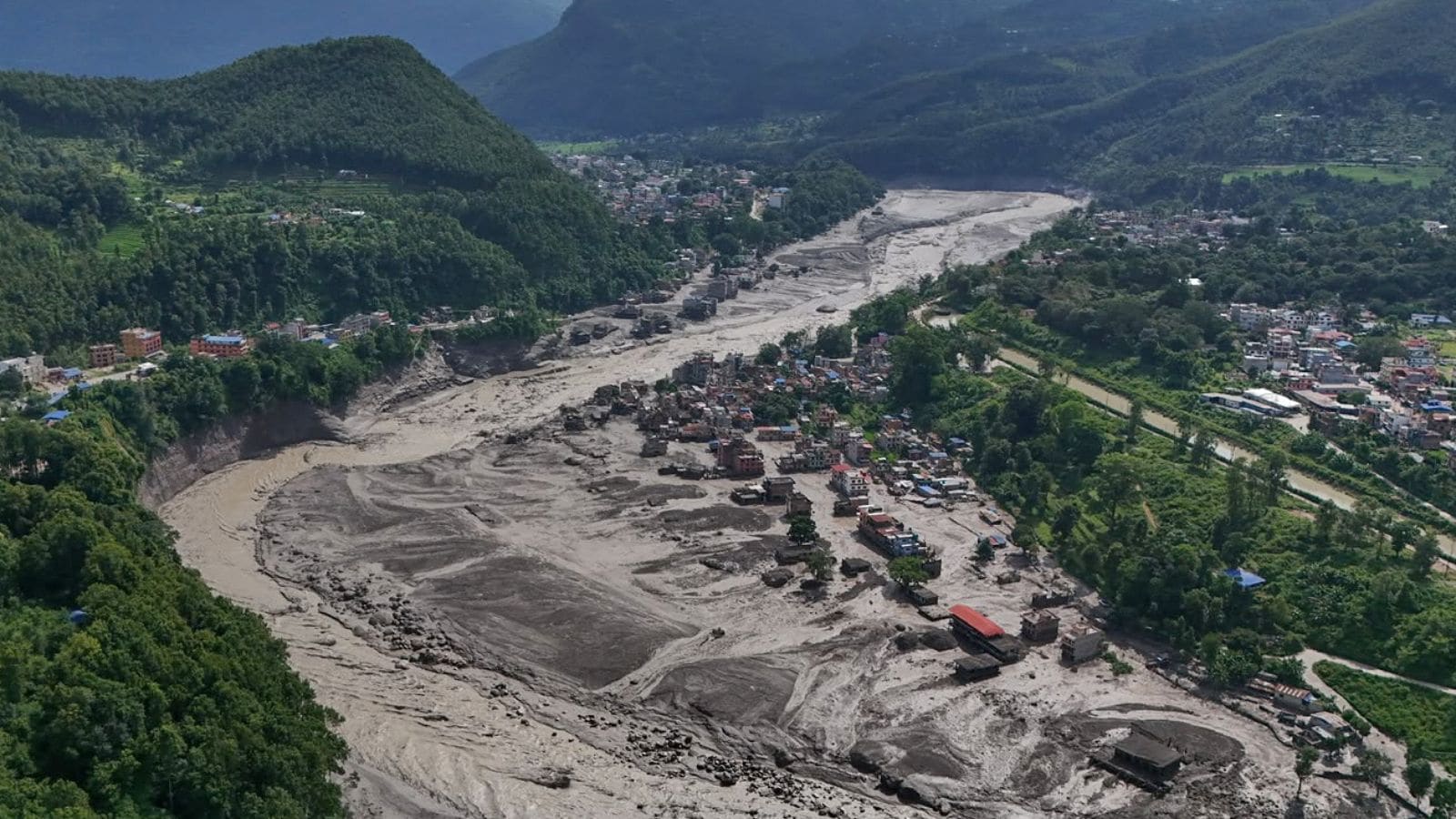
Water does not check your passport before it sweeps away a home. It does not read political affiliations, nor does it pause to ask whether you belong to the majority or the marginalized. When the monsoon rains swelled the rivers of Nepal, turning fertile valleys into churning corridors of brown destruction, the crisis defied simple geography. It spilled across lines drawn on maps, swallowing lives, livelihoods, and quiet hopes.
Distance can make tragedy feel abstract. A headline flashes on a screen halfway across the world, numbers tick upward, and we scroll past, numbed by the sheer velocity of modern suffering. Yet, human empathy has a stubborn way of finding cracks in the armor of distance. Sometimes, it takes an unexpected voice to remind us that solidarity has no native tongue.
Consider Zohran Mamdani. Better known as a politician navigating the high-stakes theater of New York City governance, his daily routine is typically consumed by rent laws, transit budgets, and the gritty local friction of urban American life. But tragedy has a way of stripping away titles. When news arrived of the devastating floods battering Nepal—leaving communities shattered and vulnerable populations, including affected Indian nationals stranded or displaced by the disaster, grappling with ruin—Mamdani did something striking.
He reached out. Not just with a standard diplomatic press release drafted by an anonymous staffer, but in Tibetan.
To understand why that linguistic choice matters, you have to step away from the polished halls of modern legislatures and into the lived reality of diaspora communities. Language is rarely just a tool for transactional communication. It is a sanctuary. It is the smell of woodsmoke on a cold morning, the cadence of a grandmother's lullaby, the instinctive feeling of safety when you hear your mother tongue spoken in a strange land. When a public figure chooses to address a displaced, grieving community in a language closely tied to the Himalayan identity, they are doing something radical. They are saying: I see you. Not as statistics, not as foreign refugees, but as neighbors whose pain belongs to all of us.
The floods themselves were unrelenting. Cloudbursts triggered massive landslides and catastrophic inundations, cutting off entire districts. Bridges buckled like matchsticks. Homes built over generations vanished in minutes. Among those caught in the violent churn were migrant workers and families from neighboring India, individuals who had crossed borders in search of daily labor, dignity, and a better future for their children. Disaster does not care about employment visas or residency cards. It reduces everyone to the same desperate search for higher ground.
When politicians speak on international crises, their words are often empty calories. They offer thoughts and prayers, corporate-speak for emotional detachment. Mamdani’s message cut through that cynicism because it acknowledged a shared humanity that transcends geopolitical friction. By using Tibetan—a language that echoes across the high plateaus and valleys where these communities are deeply rooted—he bridged a chasm. He recognized that the suffering in Nepal reverberates far beyond South Asia, touching diaspora communities in New York, London, and beyond who watch helplessly from afar as their ancestral landscapes drown.
Empathy is a muscle. If you do not use it, it atrophies.
We live in an era that encourages tribalism. We are constantly nudged to draw circles around our own kind, to protect our borders, our resources, our peace of mind at the expense of everyone else. We build mental walls to convince ourselves that disasters happening to people of different nationalities, different languages, or different economic classes are fundamentally different from disasters that might happen to us.
That is the lie we tell ourselves to sleep better at night.
Water rises. Economies crash. Health crises strike without warning. The architecture of modern civilization is far more fragile than we care to admit. When we watch floods tear through South Asia, we are looking into a mirror. The families clinging to rooftops in the footage are us. The parents watching their children’s schoolbooks dissolve in muddy water are us.
This is why transnational solidarity is not charity. It is self-recognition.
When someone miles away takes the time to learn your pain, to speak your tongue, to validate your grief, it alters the emotional physics of the room. It shrinks the world. It reminds the person sitting in the rubble that they have not been abandoned to the silence.
The floods eventually receded, as floods always do, leaving behind the grueling, unglamorous work of survival. The mud dries into a stubborn, cake-like crust. The insurance policies that do not exist must be replaced by calloused hands and shared labor. The missing are mourned. The displaced begin the agonizing process of rebuilding lives from the foundation of zero.
The news cycle has already moved on. The cameras have packed up their lenses and flown to the next catastrophe. The algorithms demand new outrage, new spectacles, new distractions to keep our eyes glued to the glass.
Yet, the impact of that simple, cross-cultural message lingers. It proves that solidarity requires no armies, no billions of dollars, no complex legislative maneuvers to begin. It starts with the radical act of paying attention. It starts with refusing to look away just because someone speaks a different language, worships a different god, or lives under a different flag.
The rivers will rise again. The world will face new crises, new divisions, new reasons to retreat behind our respective walls. But every time a voice cuts through the noise to remind us that human pain is universal, the walls shake just a little bit more.
Listen closely to the quiet after the storm. Underneath the sound of rebuilding, you can still hear the echoes of a message spoken across an ocean, proving that when the whole world is drowning, the only ark we have is each other.