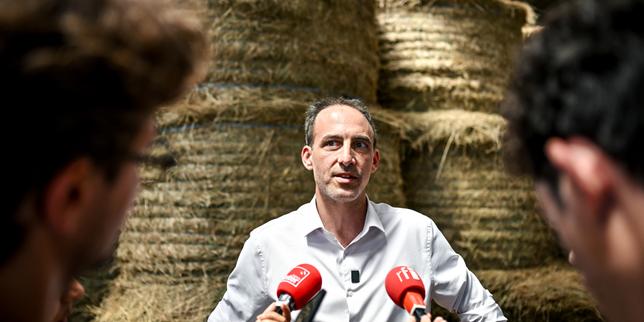
Foreign interference in democratic elections isn't new. But when state-backed actors start weaponizing fake media domains and deepfake narratives to target domestic political figures and high-profile journalists, the rules of the game shift entirely. European Parliament member Raphaël Glucksmann recently exposed a coordinated Russian disinformation operation aimed squarely at disrupting the upcoming political landscape.
The operation didn't just target Glucksmann. It dragged his partner, prominent journalist Léa Salamé, and investigative veteran Edwy Plenel into a fabricated web of corruption. If you think this is just standard internet noise, you are missing the bigger picture. This is a calculated blueprint for how foreign intelligence units plan to fracture trust in democratic institutions ahead of major electoral cycles.
Anatomy of a Sophisticated Smear Campaign
The mechanics behind this specific attack reveal a high level of operational planning. French security services traced the malicious network directly back to Storm-1516, a known Russian influence group tied to military intelligence.
Rather than relying on clumsy bot farms pushing obvious junk text, the perpetrators built an elaborate digital decoy. They launched a fraudulent replica of Blast, an independent French investigative media outlet. The fake site utilized a nearly identical web address to publish fabricated exposés.
The core narrative of the fake report claimed that Léa Salamé attempted to bribe various newsrooms. The fabricated emails alleged she offered sums up to fifty thousand euros to secure glowing coverage for Glucksmann's anticipated presidential run. To add artificial credibility, the campaign featured forged audio-visual elements and a fake testimonial from Edwy Plenel claiming he received the corrupt proposals.
Plenel and Blast moved quickly to denounce the forgery, file official legal complaints, and demand site closures. But the damage a fake story aims to cause rarely relies on longevity. It relies on the initial shock value and the rapid sharing by partisan networks online.
Why This Target and Why Now
You have to ask yourself why Glucksmann is sitting firmly in the crosshairs. As a vocal critic of authoritarian regimes and a prominent voice in European politics, he represents a specific ideological threat to foreign actors looking to weaken European cohesion.
Targeting his relationship with Léa Salamé introduces a personal element designed to maximize media distraction. It forces public figures into defensive postures, weaponizing their personal lives against their professional credibility. By connecting mainstream journalistic integrity to fabricated corruption, the architects of this campaign aimed to achieve two goals at once. They wanted to discredit a rising political figure while simultaneously eroding public trust in independent journalism as a whole.
Security agencies confirmed that while the footprint of this specific attack had relatively low organic visibility on mainstream platforms, its distribution relied on specific digital ecosystems. Researchers tracking the amplification noticed traction among hyper-partisan accounts, fringe digital communities, and networks historically aligned with chaotic foreign narratives.
The Broader Threat to Future Elections
We are looking at early skirmishes for the 2027 French presidential cycle. Foreign interference units are testing their tools early. They want to see how media outlets react, how quickly fact-checkers can mobilize, and how easily algorithmic feeds absorb fabricated scandals.
When state intelligence agencies mimic independent newsrooms, every single link you click requires extra scrutiny. The traditional boundaries separating verified journalism from state-sponsored fabrication are blurring.
Defending against these operations requires more than automated content moderation. It demands institutional resilience, rapid legal counter-offensives, and public media literacy that assumes manipulation is the default state of online discourse until proven otherwise. The playbook is open, the actors are identified, and ignoring the sophistication of these attacks is no longer an option.

.png?itok=1mb05mKJ)

