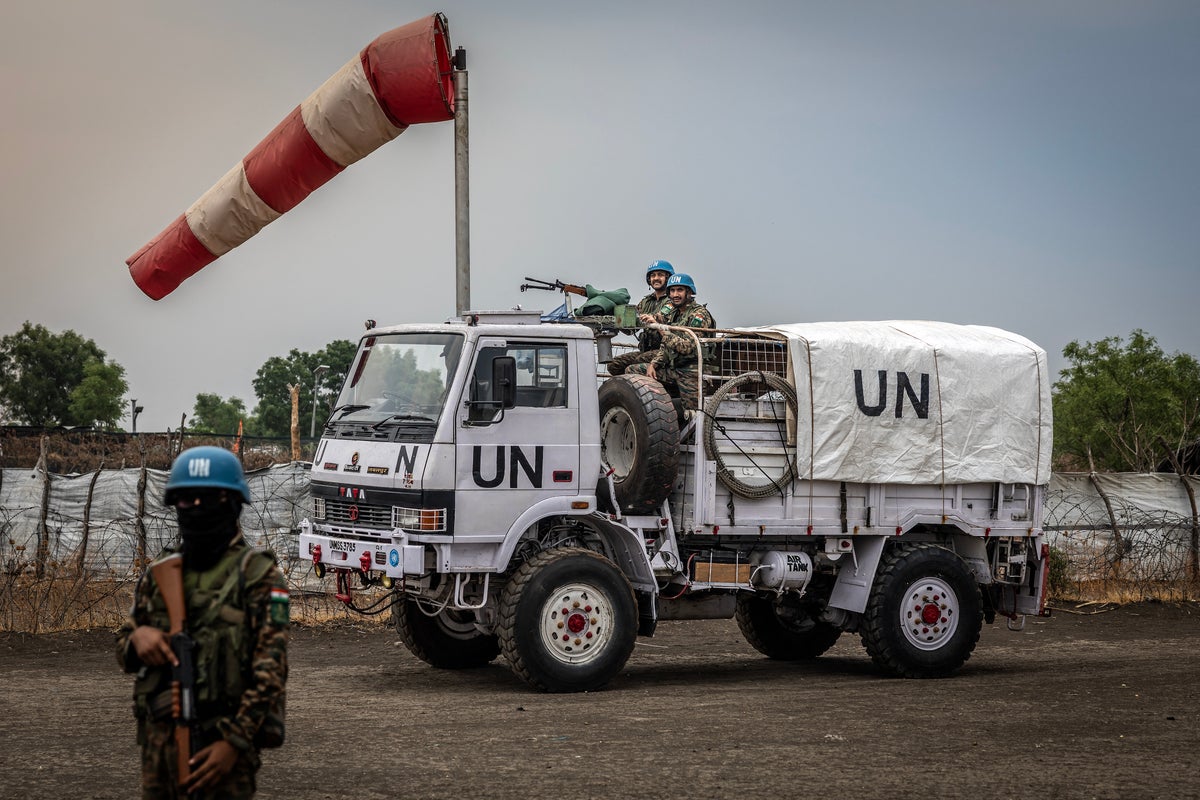
Two United Nations peacekeepers are dead. Seven others are injured. A routine patrol heading toward the town of Pajut in Jonglei state turned into a bloody firefight on Monday, pushing South Sudan closer to the edge of total collapse.
If you think this is just another isolated skirmish in a chronically unstable region, you're missing the bigger picture. The fragile 2018 peace agreement holding President Salva Kiir and opposition factions together is actively shredding at the seams.
The Anatomy of a Breaking Peace
The attack on the United Nations Mission in South Sudan (UNMISS) patrol wasn't random bad luck. It happened in Jonglei state, a hotspot where government troops and opposition militias have been trading blows for months. Unidentified armed individuals ambushed the convoy, injuring three additional peacekeepers, two national police officers, and two civilian staff members.
Anita Kiki Gbeho, the head of UNMISS, called the violence unacceptable and noted it could constitute a war crime under international law. But sharp condemnations won't stop bullets.
Tensions have spiked dramatically since December, when opposition forces seized government outposts across Jonglei. President Kiir's administration responded with a fierce counteroffensive involving ground assaults and aerial bombardments. Meanwhile, opposition leader and former vice president Riek Machar remains under house arrest facing treason charges he insists are politically motivated.
When the primary architects of a fragile power-sharing pact are either imprisoned or sidelined, peace deals die quickly.
Humanitarian Workers Caught in the Crossfire
The death of these peacekeepers highlights a brutal reality on the ground. Aid workers and international personnel are facing unprecedented hostility.
Consider the numbers. Between January and July, the UN recorded more than 450 incidents of violence directed at humanitarian workers and assets. That figure is more than double the amount logged during the exact same period last year. Total humanitarian worker deaths have already surpassed previous annual thresholds, making South Sudan one of the most lethal environments on earth for people trying to deliver food and medical care.
When convoys get ambushed and relief workers become targets, basic survival supplies stop moving. Communities already teetering on famine are paying the highest price for political failure.
Will the International Community Step Up?
Diplomatic pressure from Washington and the broader international community has largely fallen flat. Appeals for an immediate return to dialogue are being ignored by leaders locked in a zero-sum game for control.
UNMISS deployed a Quick Reaction Force to secure the ambush site and manage emergency evacuations, proving that the mission is still operational under extreme duress. Yet, nine peacekeepers have already lost their lives to malicious acts since January alone.
The risk of a full-blown civil war is no longer a distant warning. It is happening in slow motion across the eastern plains. Without immediate, aggressive diplomatic intervention and accountability for those targeting international personnel, South Sudan will slide right back into the devastating conflict it fought so hard to escape.