The fragile ceasefire between Washington and Tehran hasn't just fractured; it completely evaporated overnight. Sirens blared across the Gulf as Iran launched a coordinated barrage of ballistic missiles and explosive drones targeting US military facilities in Qatar, Kuwait, Bahrain, and Jordan.
If you think this is just another minor border skirmish, you're missing the bigger picture. This represents a massive shift in how Tehran operates. For years, the conventional wisdom was that Iran would rely on proxies to hit American assets. Not anymore. By directly targeting major hubs like the Al Udeid Air Base in Qatar, the Islamic Revolutionary Guard Corps (IRGC) is showing it's willing to risk a direct, full-scale confrontation with the United States.
The Real Ground Truth Behind the Al Udeid and Prince Hassan Strikes
Mainstream news outlets are scrambling to report the official statements, but the numbers don't tell the whole story. The IRGC claims it completely flattened command centers and maintenance hangars. On the flip side, the Pentagon maintains that air defenses handled the bulk of the threat and damage is minimal. The truth, as usual, sits somewhere in the middle.
Let's look at what actually happened on the ground. In Qatar, Al Udeid hosts over 10,000 American troops and serves as the forward headquarters for US Central Command (CENTCOM). Local defense networks, alongside Qatari forces, intercepted multiple incoming threats, but a precision strike managed to sever a primary communications uplink.
Meanwhile, in Jordan, Prince Hassan Air Base—a crucial hub for MQ-9 Reaper drones and advanced strike aircraft—faced a heavy salvo of ballistic missiles. The IRGC targeted the base's command infrastructure specifically to blind US aerial surveillance over the region. Air raid alerts forced residents from Amman to Doha into shelters, signaling that the entire geography of the Gulf is now a live combat zone.
Why Air Defenses are Reaching Their Breaking Point
You can't just look at the raw number of intercepted missiles and assume the system works. Patriot missile batteries, Navy Aegis systems, and regional defense grids in the UAE and Kuwait did exactly what they were designed to do. They filled the sky with interceptors and knocked down dozens of drones and cruise missiles. Kuwait's military confirmed intercepting a cruise missile and ten drones, with only minor injuries reported from falling debris.
But relying on a high intercept rate is a dangerous trap. Air defense is a game of math and economic exhaustion. A single Patriot interceptor missile costs millions of dollars. An Iranian-manufactured attack drone costs a fraction of that.
When Iran launches simultaneous, multi-directional waves of cheap drones alongside fast ballistic missiles, they aren't just trying to hit a target. They're trying to empty the American magazines. If a second or third wave follows before these defense systems can be rearmed, the intercept rate plummets. That's exactly what happened when a projectile managed to hit near the perimeter of Iran's own Bushehr nuclear facility during previous US retaliatory strikes—proving that no airspace is totally locked down.
The Chokehold on global Energy and Shipping
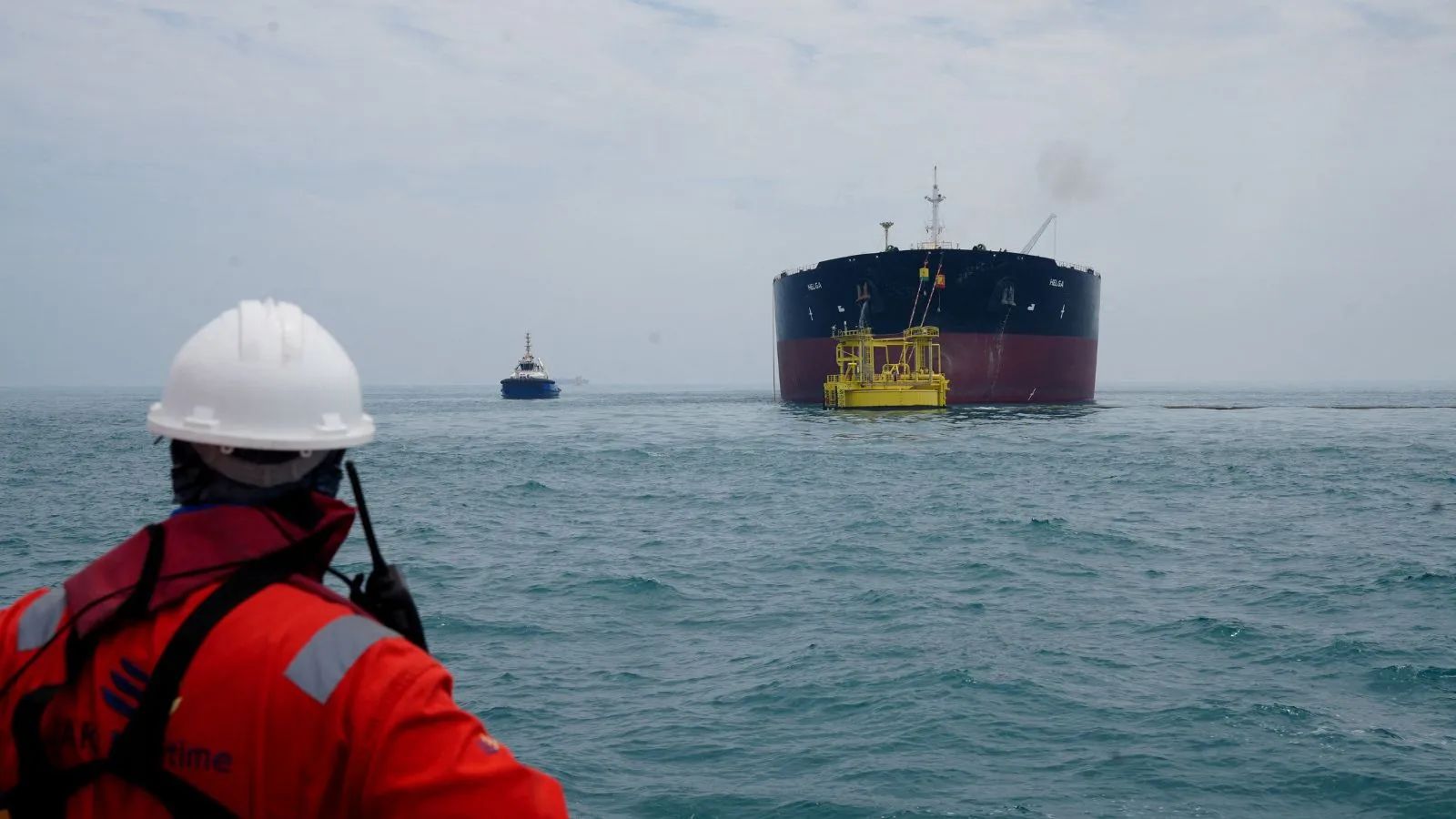
The real driving force behind this sudden explosion of violence sits in the narrow waters of the Strait of Hormuz. Following US strikes on Iranian coastal facilities, the IRGC announced the temporary closure of the strait. They followed through by disabling commercial vessels, including a Cyprus-flagged ship, claiming these vessels took unauthorized routes.
This isn't just a local shipping issue. Roughly a fifth of the world's petroleum passes through this exact waterway. CENTCOM has been actively escorting hundreds of commercial vessels carrying millions of barrels of oil to keep global markets stable. By shutting the door on the strait, Iran is using inflation and energy scarcity as a geopolitical weapon. President Trump defended the heavy US airstrikes, stating the actions were necessary to protect commercial shipping and that any conflict would be over quickly. But the reality on the water tells a different story. If the Strait of Hormuz stays locked down, the economic shockwaves will hit gas stations worldwide within weeks.
How to Read the Next Moves in the Region
Don't panic, but stop looking at this through the lens of old Middle East conflicts. The old rules of engagement don't apply anymore. To understand where this is heading, keep your eyes on three specific indicators over the next 48 hours.
First, watch the re-arming patterns of regional air defense units. The speed at which the US can replenish interceptor stockpiles in places like Bahrain and the UAE will dictate whether Iran attempts another multi-country salvo. Second, track commercial maritime rerouting. If major shipping firms officially abandon Gulf routes for the long journey around Africa, it means they expect a protracted naval blockade. Finally, look at the diplomatic posturing out of Qatar and Oman. Qatar has historically acted as the primary backchannel mediator between Washington and Tehran. The fact that Qatari soil was targeted implies that the room for diplomatic maneuvering has narrowed to almost nothing.
Prepare for heightened volatility in energy markets and expect tight security protocols across international travel hubs in the region. The conflict has evolved from a shadow war into a direct test of military endurance, and the margin for error has never been thinner.