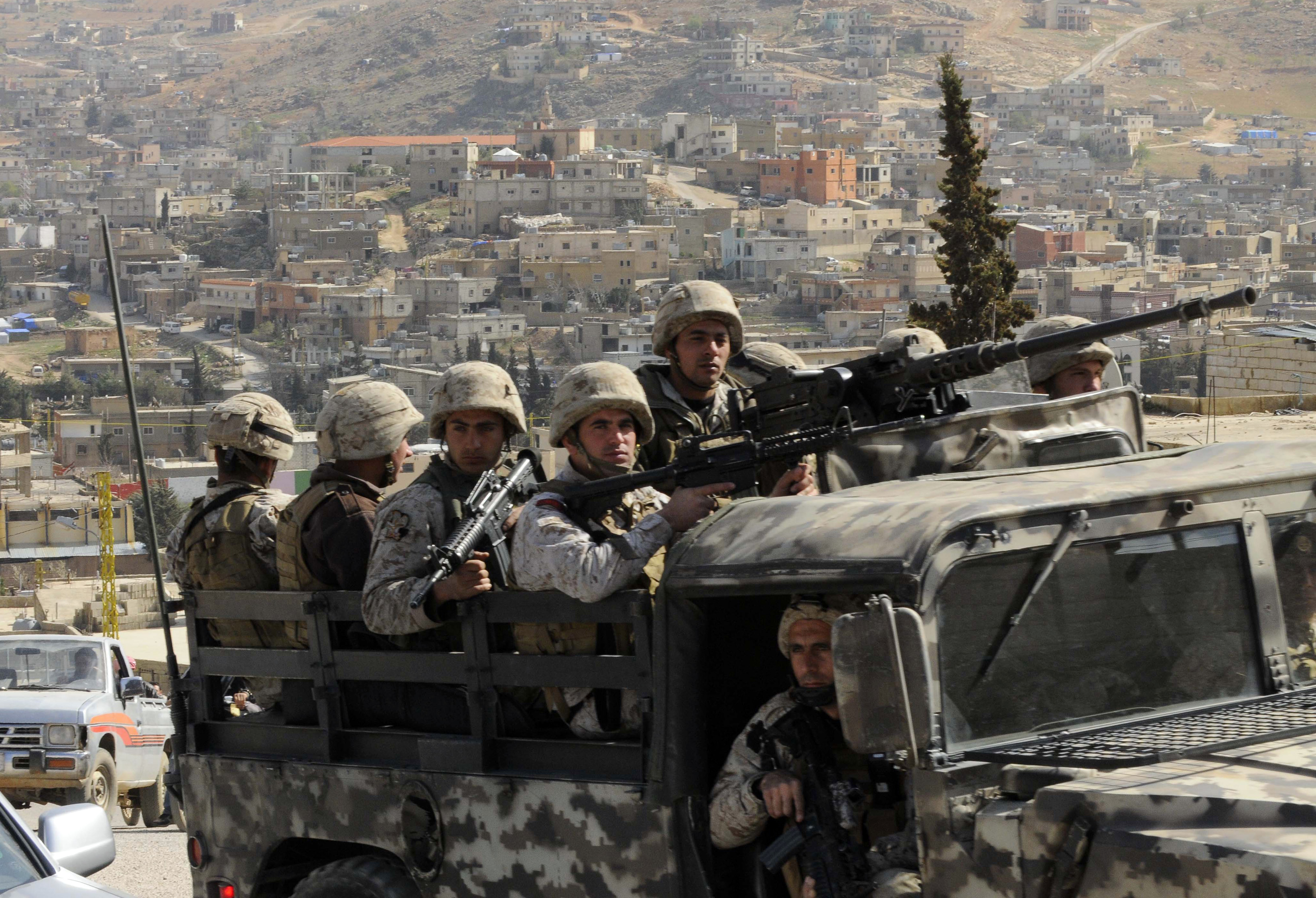
General Joseph Aoun, the Lebanese Army Commander, just wrapped up high-stakes discussions with General Michael "Erik" Kurilla, who leads the US Central Command (CENTCOM). They didn't just grab coffee. They met to figure out how to keep Lebanon from sliding into total chaos while the border with Israel remains a powder keg. If you’re wondering why the US keeps pouring money into a country facing an economic meltdown, the answer sits squarely with the Lebanese Armed Forces (LAF).
The LAF is basically the only institution in Lebanon that still functions properly. When the banks failed and the port exploded, the army held the line. Washington knows this. That’s why Kurilla’s visit matters. It’s a signal to both domestic players in Lebanon and regional powers that the US isn't walking away from the Lebanese military, even when the rest of the country’s politics are a mess.
Why the US General Kurilla Visit Matters Right Now
Tensions at the southern border aren't just "high"—they’re at a breaking point. The LAF is caught in an impossible position. On one side, you have the daily exchange of fire between Hezbollah and Israel. On the other, you have a Lebanese state that can’t even elect a president. General Aoun’s job is to ensure his troops don't get sucked into a war they didn't start and can't win.
Kurilla’s presence in Beirut sends a message of "integrated deterrence." This is military-speak for making sure everyone knows the US has the LAF’s back. They discussed border security, counter-terrorism, and the internal stability of Lebanon. Without a strong army, Lebanon becomes a vacuum. We’ve seen what happens in the Middle East when a vacuum opens up. It’s never good.
The US has provided over $3 billion in assistance to the LAF since 2006. That sounds like a lot of cash, but most of it goes toward keeping the lights on and the soldiers fed. In a country where the local currency lost 98% of its value, a soldier’s salary used to be worth $800 and plummeted to roughly $50. The US stepped in with "livelihood support" payments—literally sending cash to soldiers so they don't desert to find better-paying jobs.
The Border Problem No One Wants to Solve
Security in the south is governed by UN Resolution 1701. It’s supposed to mean only the LAF and UNIFIL (peacekeepers) have weapons down there. In reality, it’s a lot more complicated. During the meeting, the two generals focused on how the LAF can better monitor the Blue Line.
The US wants the LAF to be the primary defender of Lebanese sovereignty. It’s a tall order. To do that, the army needs more than just old M113 armored personnel carriers. They need advanced surveillance, better communication gear, and real-time intelligence. Kurilla isn't just checking in; he’s assessing what the LAF needs to stay relevant as the risk of a full-scale regional conflict grows.
What Most People Get Wrong About US Military Aid
I hear people say the US is "arming" Lebanon to fight Israel. That’s flat-out wrong. The aid is carefully calibrated. The LAF gets equipment for internal security, border control, and counter-ISIS operations. You won't see Lebanon getting F-35s or long-range missiles. The goal is stability, not regional power projection.
There's also a misconception that the LAF and Hezbollah are the same thing. They aren't. They’re rivals for the "legitimacy" of defending Lebanon. The LAF is a national institution representing every sect—Sunni, Shia, Christian, and Druze. It’s the only place where these groups work together under one flag. If the LAF fractures, Lebanon fractures. That’s the nightmare scenario the US is trying to prevent.
The Aoun Factor in Lebanese Politics
General Joseph Aoun isn't just a military man. His name keeps popping up in conversations about the next President of Lebanon. While he says he’s focused on the military, his international standing is sky-high. He’s seen as a "clean" figure in a sea of corruption.
When US generals like Kurilla meet with him, it reinforces his status. It shows the international community trusts him personally. This creates a weird dynamic where the military chief is more influential than most of the country’s politicians. It’s a delicate balance. Aoun has to maintain US support without looking like a puppet to his domestic critics.
Strategic Realities on the Ground
The LAF is currently performing a massive balancing act. They’re managing:
- Border Surveillance: Trying to prevent smuggling and unauthorized movements.
- Internal Security: Dealing with protests and tensions between different Lebanese factions.
- Refugee Crisis Management: Overseeing areas with high concentrations of displaced people.
- Counter-Terrorism: Keeping a lid on extremist cells that want to exploit the chaos.
The US provides the "backbone" for these operations. Without US parts, the LAF’s helicopters wouldn't fly. Without US fuel, their trucks wouldn't move. It’s a relationship of total dependency, which is risky, but for now, there’s no other option.
What Happens if the Aid Stops
If Washington ever decides to cut off the LAF, the collapse would be instant. The soldiers would go home. The borders would vanish. Lebanon would effectively become a collection of sectarian militias again, just like the civil war days. Kurilla’s visit is a promise that this won't happen on his watch. He’s looking at the LAF as a partner in a very dangerous neighborhood.
The focus isn't just on hardware. It’s on training. The LAF is actually quite good at what they do. They’re battle-hardened from fighting militants on the Syrian border a few years back. The US military respects their professional competence. That respect is why Kurilla keeps showing up in Beirut despite the geopolitical headaches.
Steps for Monitoring the Situation
If you want to understand where Lebanon is headed, don't watch the politicians. Watch the army.
- Follow the LAF social media: They’re surprisingly transparent about where they’re deploying and who they’re meeting.
- Track Congressional Appropriations: Look at the "Foreign Military Financing" (FMF) debates in the US. If that money dips, Lebanon is in trouble.
- Watch the Blue Line: Any change in LAF deployment patterns in the south usually follows a meeting like the one between Aoun and Kurilla.
- Pay attention to "Livelihood Support": As long as the US is paying Lebanese soldier salaries, they have a say in how the army operates.
The meeting between General Aoun and General Kurilla confirms one thing: the LAF remains the centerpiece of US policy in the Levant. It’s a messy, complicated, and expensive partnership, but it’s the only thing standing between Lebanon and total state failure.