The headlines out of Tripoli sound like standard corporate boilerplate for a petrostate in panic. Libya needs forty billion dollars to save its oil sector, restore production, and reclaim its spot as a heavyweight exporter. Every energy analyst on LinkedIn is nodding along, regurgitating the same tired talking points about infrastructure upgrades, foreign direct investment, and capacity targets.
They are completely wrong.
Throwing forty billion dollars at Libyan oil production right now is not a growth strategy. It is an expensive way to set cash on fire while ignoring the structural gravity dragging the entire economy down. I have watched state actors and foreign consortiums burn hundreds of millions in North Africa chasing barrels that the market structurally does not want, under political conditions that make stability a pipe dream.
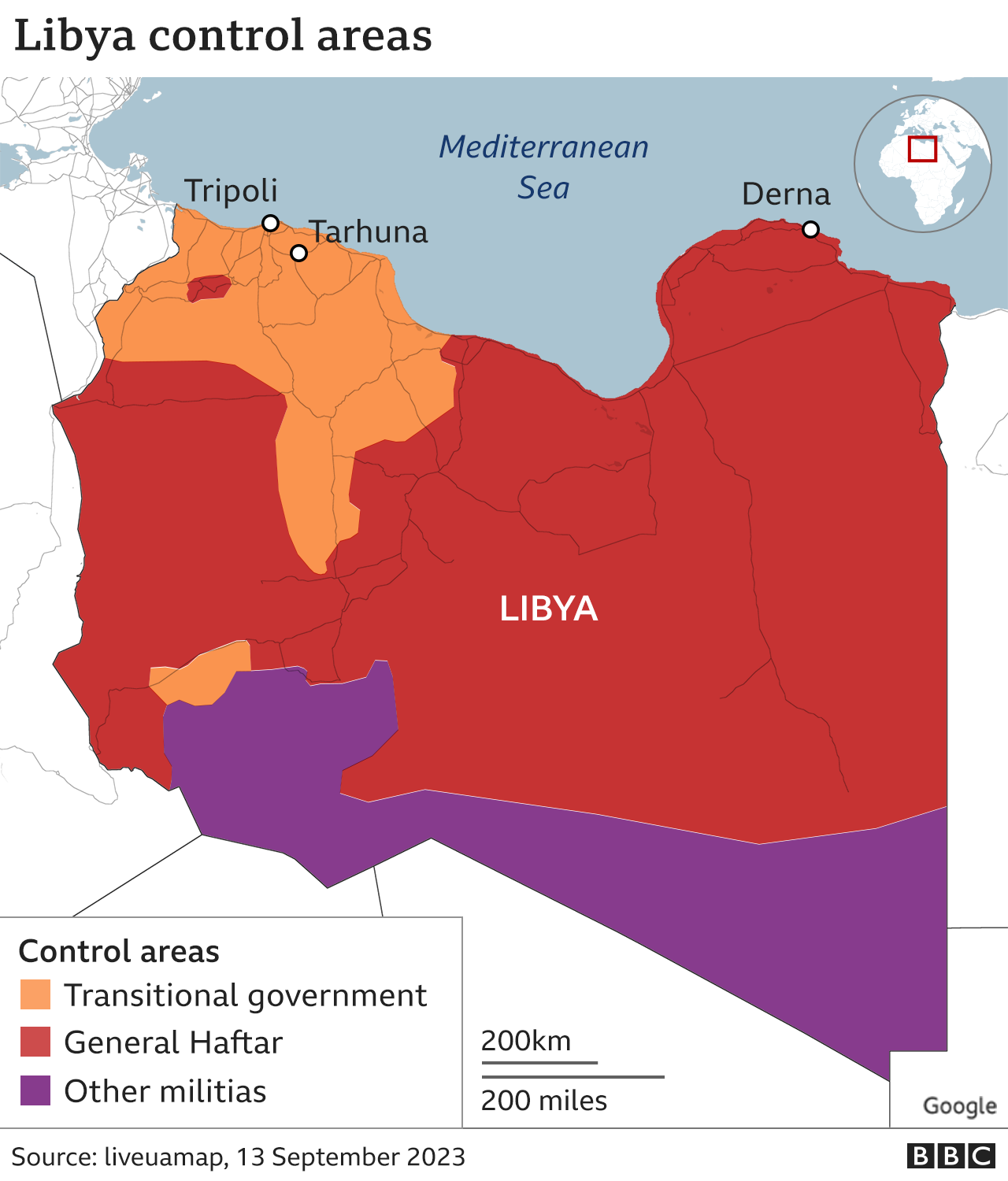
Stop asking how Libya can finance its oil expansion. The real question is why anyone believes more crude extraction can save a state fractured by militias, currency corruption, and institutional decay.
The Arithmetic Of Illusion
Let us look at the numbers the pundits conveniently ignore. Proponents of the forty-billion-dollar injection argue that higher output equals higher national revenue. Simple supply and demand, right?
Wrong.
Libya operates under a centralized distribution model controlled by the National Oil Corporation and the Central Bank, where oil revenues do not fund public infrastructure or sustainable growth. They fund patronage networks. Pumping an extra million barrels per day into a system with zero institutional guardrails does not enrich the population. It simply expands the pool of capital available for factional capture.
I have seen companies blow millions on feasibility studies assuming that physical infrastructure is the primary bottleneck in post-conflict zones. It never is. The bottleneck is governance. When you pour capital into a wellhead without fixing the pipe of accountability, you just increase the leak rate.
Consider the mechanics of the Libyan dinar and the parallel exchange rates. Pumping more oil into a structurally corrupt monetary system accelerates inflation rather than curing it. You are feeding an engine with clogged fuel lines. More oil without institutional reform is just more fuel for the fire.
The Global Demand Reality Check
Even if Libya miraculously secures the capital and patches every pipeline overnight, who is buying this crude?
The lazy consensus assumes Europe is desperate for alternative barrels post-Russia. That analysis worked in twenty-two. We are past that window. Refineries across the Mediterranean are retooling. Long-term demand projections for high-sulfur sweet and medium crudes are plateauing as EV adoption scales and stringent decarbonization mandates bite into European refining margins.
Libyan crude is light and sweet, yes. But the risk premium attached to every single cargo out of Misrata or Es Sider makes it an administrative headache for corporate procurement officers. Insurance rates alone eat the margin advantage.
When you factor in the capital expenditure required to bring fields back online—many of which have suffered from deferred maintenance, corrosion, and war damage for over a decade—the return on investment calculation collapses. You are spending top-tier capital for bottom-tier predictability.
The Unspoken Trade Off
Imagine a scenario where Tripoli allocates that exact forty billion dollars away from hydrocarbon extraction and directs it toward decentralized grid modernization, water desalination, and human capital export programs.
Heresy, right?
Not to anyone who understands the lifecycle of the global energy transition. Oil is a diminishing asset class. Betting the national balance sheet on a forty-year-old extraction model while ignoring the youth demographic boom in Benghazi and Tripoli is economic suicide. Libya’s greatest asset is not trapped three thousand feet underground. It is a young, digitally literate population completely disconnected from the state-sponsored oil economy.
When the state spends its energy diplomacy chasing foreign IOCs—International Oil Companies—to sign production sharing agreements, it signals a profound lack of imagination. It tells the world that Libya has nothing else to offer.
Dismantling The PAA Fallacy
People Also Ask: Can foreign investment fix Libya's oil sector?
The brutal answer is no. Foreign investment requires legal certainty, predictable contract enforcement, and a monopoly on violence held by a legitimate state. None of those exist in Libya today. TotalEnergies, Eni, and Repsol do not need more capital incentives; they need a functioning legal framework that doesn't change when a militia commander changes his mind.
Throwing billions at contracts that can be nullified by political fiat tomorrow is not business. It is high-stakes gambling with public funds.
The Unconventional Playbook
If I were advising the National Oil Corporation, I would tell them to tear up the expansion blueprints. Here is the operational reality check for surviving the next decade:
- Freeze Greenfield CapEx: Stop chasing ambitious production targets of two million barrels per day. The market doesn't reward oversupply, and OPEC+ quotas will constrain you anyway.
- Optimize Existing Flow: Focus exclusively on maintenance and operational efficiency of current producing fields. Keep the lights on with minimum capital exposure.
- Ring-Fence Revenues: Decentralize revenue distribution directly to municipal accounts rather than funneling everything through Tripoli.
- Diversify Or Die: Redirect any surplus state capital into solar infrastructure and local manufacturing. North Africa should be exporting electrons to Europe, not just molecules.
The forty-billion-dollar figure is a psychological crutch. It lets political leaders pretend they have a grand vision when they are merely clinging to the past.
The oil age is ending, and doubling down on a broken well is the fastest way to become irrelevant.
Stop funding the past.