Let's stop pretending the fear of foreign-trained doctors taking over Hong Kong's medical system is grounded in reality. It isn't. For years, the local medical community has treated any policy shift toward easing entry for overseas medical graduates like a looming professional apocalypse. The narrative is always the same. They say it will dilute the legendary standard of local care, flood the market, and steal prime opportunities from home-grown graduates.
That view is entirely wrong.
Hong Kong is suffering from a brutal, chronic deficit of medical professionals. The Hospital Authority routinely scrambles to staff essential departments like anesthesiology, radiology, and pediatrics. The current system is completely unsustainable. Opening the doors wider to non-locally trained physicians doesn't threaten local doctors. In fact, it does the exact opposite. It rescues them from a punishing workload and leaves their lucrative career trajectories completely intact.
The Massive Deficit Local Universities Can't Fix
The numbers speak for themselves. Hong Kong has one of the lowest doctor-to-population ratios among developed economies, hovering around two doctors per 1,000 people. Compare that to Singapore or European nations, and it's clear why public hospital waiting rooms are permanently packed.
Our two local medical schools at the University of Hong Kong and the Chinese University of Hong Kong produce roughly 500 to 600 graduates combined each year. Sounds like a decent number, right? It's a drop in the bucket. An aging population and the complex medical needs that come with it consume those numbers instantly.
When the government expanded pathways via the Medical Registration Ordinance amendments, critics panicked. They acted as if thousands of doctors would land at Chek Lap Kok tomorrow and take everyone's job. Look at the actual data from the Special Registration Committee. The committee has been highly selective, recognizing roughly 100 qualifications from prestigious institutions globally. We are talking about places like Oxford, Cambridge, and top-tier mainland universities. This is not an unregulated flood. It's a highly targeted leak designed to stop the public system from collapsing.
Why Local Earnings and Promotion Tracks Are Completely Safe
If you're a local medical student or a junior resident worried about your wallet, you can breathe a sigh of relief. The financial hierarchy of medicine in Hong Kong is practically bulletproof.
- Public sector baseline: Fresh local medical graduates start on monthly salaries around HKD 70,000. That's a massive premium over almost every other profession in the city.
- The consultant ceiling: Senior consultants in public hospitals pull in upwards of HKD 3 million annually.
- The private goldmine: Elite private practice specialists can easily make ten times that amount.
The influx of foreign-trained doctors won't touch these numbers because the newcomers are essentially forced to serve as the system's shock absorbers. Under the special registration rules, these non-locally trained doctors must commit to a minimum of five years of full-time employment within public healthcare institutions like the Hospital Authority or the Department of Health after obtaining their specialist qualifications.
They aren't jumping straight into the lucrative private sector to steal wealthy patients. They're doing the heavy lifting in public wards. Hospital Authority funding for overseas recruitment is explicitly categorized as additional budget. It does not cannibalize the promotion slots or hiring allocations reserved for local graduates. Local doctors retain their fast-track path to senior consultant roles and private practice freedom while the overseas arrivals help stabilize the baseline system.
The Language Barrier is a Protectionism Myth
One of the oldest arguments against foreign doctors is the language barrier. Critics love to claim that a doctor who doesn't speak fluent Cantonese or write flawless traditional Chinese is a danger to patients.
Honestly, that's a smoke screen.
English remains the official language of medical documentation, clinical notes, and professional communication across the Hospital Authority. Non-Chinese speaking doctors have worked successfully in Hong Kong under limited registration schemes for decades. In the real world, medical teams adapt. Nurses and local junior docs frequently help translate during ward rounds, and guess what happens next? The foreign doctors learn. Within a year or two, most pick up enough clinical Cantonese to handle consultations perfectly fine.
The recent policy adjustments also lowered thresholds for doctors from top mainland Chinese institutions. Guess what their hurdle is? It's not Cantonese; it's the strict English-language requirement used in Hospital Authority interviews and clinical operations. This high linguistic bar naturally filters out anyone who cannot integrate smoothly into Hong Kong's distinct medical culture.
Burning Out is a Greater Threat Than Competition
The real enemy of the Hong Kong doctor isn't the guy who graduated from Monash or Tsinghua. The real enemy is the 30-hour shift.
Frontline burnout in public hospitals is a notorious crisis. When a department is chronically short-staffed, local doctors face crushing workloads, extreme stress, and a complete lack of work-life balance. This environment breeds medical errors and drives local talent straight out of the public sector.
By filling the gaps in high-shortage specialties like otolaryngology and emergency medicine, foreign-trained doctors act as a shield. They share the on-call burden. They reduce the insane volume of patients assigned to a single medical officer during a night shift. If you are a local resident, having three extra pairs of hands in your department means you might actually get to sleep or see your family. That isn't a threat to your career. It's an upgrade to your quality of life.
How the Medical Council Retains Total Quality Control
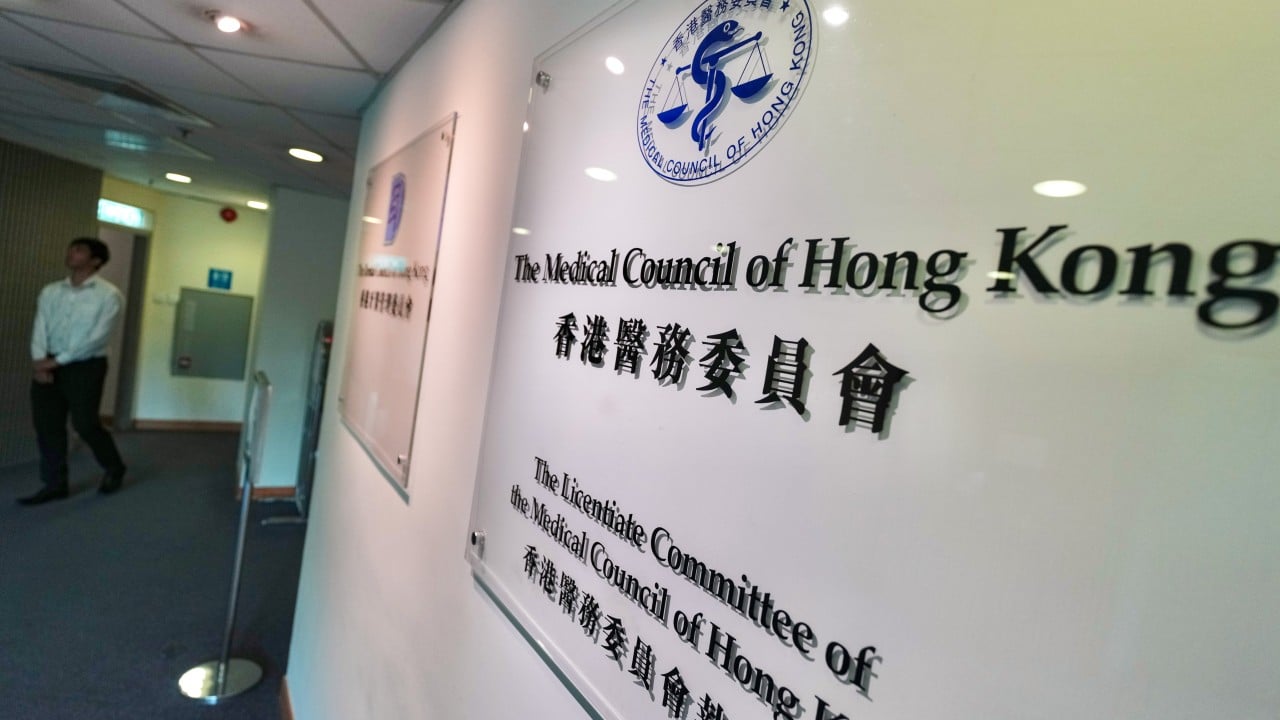
Let's address the fear that foreign entry paths compromise medicine quality. The Medical Council of Hong Kong hasn't abdicated its role as gatekeeper. The ongoing legislative overhauls to the council—including increasing lay member representation to over 30 percent—are aimed at accelerating patient complaint processing and boosting transparency, not lowering clinical standards.
The registration pathways are still tough:
- Strict Eligibility: Doctors must hold degrees from an elite, pre-approved list of global universities.
- Supervised Practice: They cannot simply open a clinic on day one. They must practice under the direct observation of public institutions.
- Performance Vetting: The employing institution must formally certify that the doctor served satisfactorily and competently over their five-year tenure before full registration is even considered.
This is a long, highly monitored probationary period. Any doctor who isn't up to par is weeded out long before they can practice independently.
Your Next Steps as a Medical Professional in Hong Kong
If you're operating within the Hong Kong healthcare ecosystem, you need to stop fighting the policy shift and start leveraging it.
If you are a local specialist or department head, look at your current roster deficits. Identify the specific gaps in your on-call schedules and target the recruitment of foreign-trained specialists to absorb the baseline administrative and clinical load. This frees up your local senior staff to focus on complex tertiary care, advanced research, and private-tier clinical offerings.
For local medical students, stop stressing about foreign competition and focus your energy on securing competitive fellowships in niche interventions. The future belongs to those who specialize deeply, and with a stabilized public system, you will have more room to breathe, learn, and excel.