A stack of papers sits on a mahogany desk in Washington, D.C. To a casual observer, these are just ledgers, rows of digital zeros, and legal jargon typed in a crisp serif font. But to a family in Tehran struggling to afford imported insulin, or to a policy strategist in the West Wing, those papers represent something far more volatile. They are the physical manifestation of billions of dollars in Iranian assets, frozen in the amber of international sanctions.
Money is rarely just currency in the world of high-stakes diplomacy. It is leverage. It is a pulse. Right now, that pulse is thumping behind a reinforced steel door that the White House refuses to unlock.
The question echoing through the halls of the State Department isn't just about whether the United States will release these seized funds. It is about what happens to the global order if they do—or if they don’t. The White House recently clarified its stance, and the answer was a cold, calculated "not now." To understand why, we have to look past the headlines and into the lives caught in the crossfire of this financial deep freeze.
The Weight of a Frozen Dollar
Imagine a shopkeeper named Arash. He lives in a quiet neighborhood in northern Tehran. Arash doesn't care about the intricacies of the Joint Comprehensive Plan of Action (JCPOA) or the technicalities of banking clearinghouses. He cares that the price of flour has tripled. He cares that the local pharmacy is out of the specialized medication his daughter needs.
When the U.S. freezes Iranian assets—money largely derived from oil sales sitting in foreign accounts from South Korea to Iraq—the ripple effect hits Arash first. The Iranian government argues that this money belongs to its people. The White House counters that releasing it is akin to fueling a fire that has already scorched much of the Middle East.
This isn't a simple bank dispute. It is a hostage situation where the hostage is the global economy’s trust.
The U.S. government operates on a philosophy of "strategic constriction." By keeping the vault door bolted, they hope to force a change in behavior. They want a stop to uranium enrichment. They want an end to the funding of proxy militias. But money is fluid. Even when it is frozen, it creates a vacuum.
The Ghostly Balance Sheet
The numbers are staggering. We are talking about estimates ranging from $7 billion to over $100 billion depending on which accounts you include. This isn't just "cash under a mattress." These are sovereign assets, the lifeblood of a nation's ability to interact with the world.
During the brief window of the 2015 nuclear deal, some of these valves were opened. Money flowed. For a moment, the ghost of a bargain became a reality. Airlines ordered new planes. Infrastructure projects broke ground. But when the geopolitical winds shifted and the U.S. withdrew from the deal, the freeze returned, harder and colder than before.
The White House’s recent refusal to release more funds stems from a deep-seated skepticism. The administration is haunted by the optics of the past. Critics often point to "pallets of cash" sent in the dead of night—a narrative that, while simplified, carries immense political weight. No president wants to be seen as the benefactor of a regime that chants for their downfall.
But there is a technical side to this that rarely makes it into the evening news. To release these funds, the U.S. has to navigate a labyrinth of its own making. There are anti-money laundering laws, terrorism financing sanctions, and the sheer logistical nightmare of moving billions of dollars without it touching the U.S. financial system—which is nearly impossible.
The Hidden Mechanics of Mercy
Sometimes, a tiny crack is allowed in the vault. We saw this with the release of funds specifically for "humanitarian purposes." This is the "Humanitarian Channel," a narrow, heavily monitored pipe through which money can flow for food and medicine.
The White House argues this is enough. They claim that if the Iranian people are suffering, it is because their leaders choose to spend their remaining liquid assets on missiles rather than bread. It is a powerful argument, but it assumes a level of choice that the average citizen simply doesn't have.
Consider the "Qatar model." In recent negotiations, billions were moved to accounts in Doha. The money didn't go directly to Tehran. Instead, it sat in a Qatari bank, overseen by the U.S. Treasury. Iran could "spend" it, but only by submitting invoices for pre-approved humanitarian goods. It is a digital food stamp program on a national scale.
To the hawks in Washington, even this is too much. They argue that money is fungible. If the U.S. pays for Iran’s medicine, Iran can use the money it saved on medicine to buy drones. The logic is circular and inescapable. It creates a deadlock where the only winners are the extremists on both sides who thrive on the "Great Satan" versus "Axis of Resistance" rhetoric.
The Credibility Gap
The real danger of the "frozen asset" strategy isn't just the economic pain it causes. It’s the erosion of the dollar's role as the world's neutral reserve currency.
When a nation sees its assets seized or frozen, it starts looking for alternatives. We are seeing the rise of "shadow banking" and the push for "de-dollarization" in the BRICS nations. If the U.S. uses the global financial system as a weapon too often, other countries might decide they no longer want to play in that particular sandbox.
The White House knows this. They are walking a tightrope. They must keep the pressure on Tehran to prevent nuclear escalation, but they must also ensure that the global financial architecture remains intact. If they unlock the vault too soon, they lose their best bargaining chip. If they keep it locked forever, the chip loses its value because the other player walks away from the table entirely.
The Silence of the Ledger
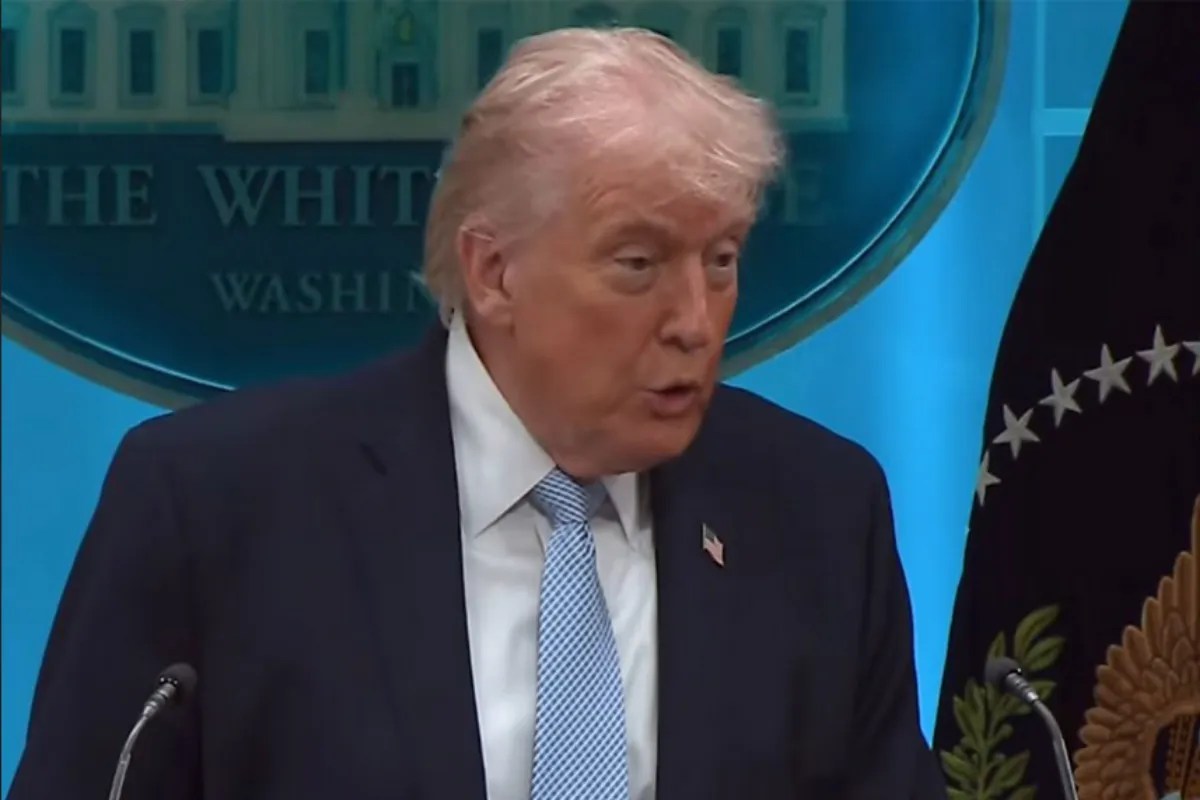
In the latest briefing, the White House spokesperson was clear: there are no immediate plans to release further assets. The "behavior" of the Iranian government hasn't warranted a change in policy. It was a statement designed to project strength and resolve.
But behind that resolve is a growing desperation. The "maximum pressure" campaign hasn't yielded a new treaty. It hasn't stopped the enrichment of uranium to 60%. It has, however, created a generation of Iranians who view the global financial system not as a tool for prosperity, but as a cage.
On the streets of Tehran, the value of the Rial continues its dizzying descent. In Washington, the political cost of compromise continues to rise. The money remains in the vault, invisible and untouchable, a mountain of gold that no one can spend and everyone is fighting over.
The papers on the mahogany desk aren't just ledgers. They are the record of a stalemate. Every zero on those pages represents a hospital wing not built, a drone not manufactured, a meal not eaten, and a leverage point not yet spent. The White House hasn't just said "no" to releasing the money; they have said "not for this price."
And so, the vault remains silent. The world waits to see who will blink first, while the people whose lives are tied to those frozen zeros continue to count the cost of a war fought with bank transfers instead of bullets. The ledger remains open, the ink is dry, and the door is stayed shut by a lock that no one seems to have the right key for yet.