Living by the ocean in Southern California feels idyllic until reality crashes against your seawall. Mother Nature doesn't care about real estate values or scenic bike paths. When a powerful tropical system churns up the Pacific, coastal communities pay the price. Long Beach found itself staring down an existential crisis when consecutive tropical storms turned a routine swell into a destructive nightmare.
Most people assume Southern California beaches are static, permanent fixtures of golden sand. They aren't. They shift, erode, and vanish overnight when high-energy swells collide with vulnerable shorelines. If you live on the Peninsula, you know the exact terror of hearing waves slam against your foundation at two in the morning. The water doesn't wait for permission. It sweeps away safety buffers and leaves concrete exposed to the raw fury of the open ocean. Meanwhile, you can read related stories here: Why Feeding Kids Schoolbooks While Their Homes Burn is a Moral Failure.
The Scars Left Behind by Hurricane Marie
To understand why Hurricane Polo triggered such panic, you have to look back at the devastation caused by Hurricane Marie. Marie wasn't just another rainy day. It was a meteorological powerhouse that generated massive swells, battered local breakwaters, and stripped millions of tons of sand away from Southern California beaches.
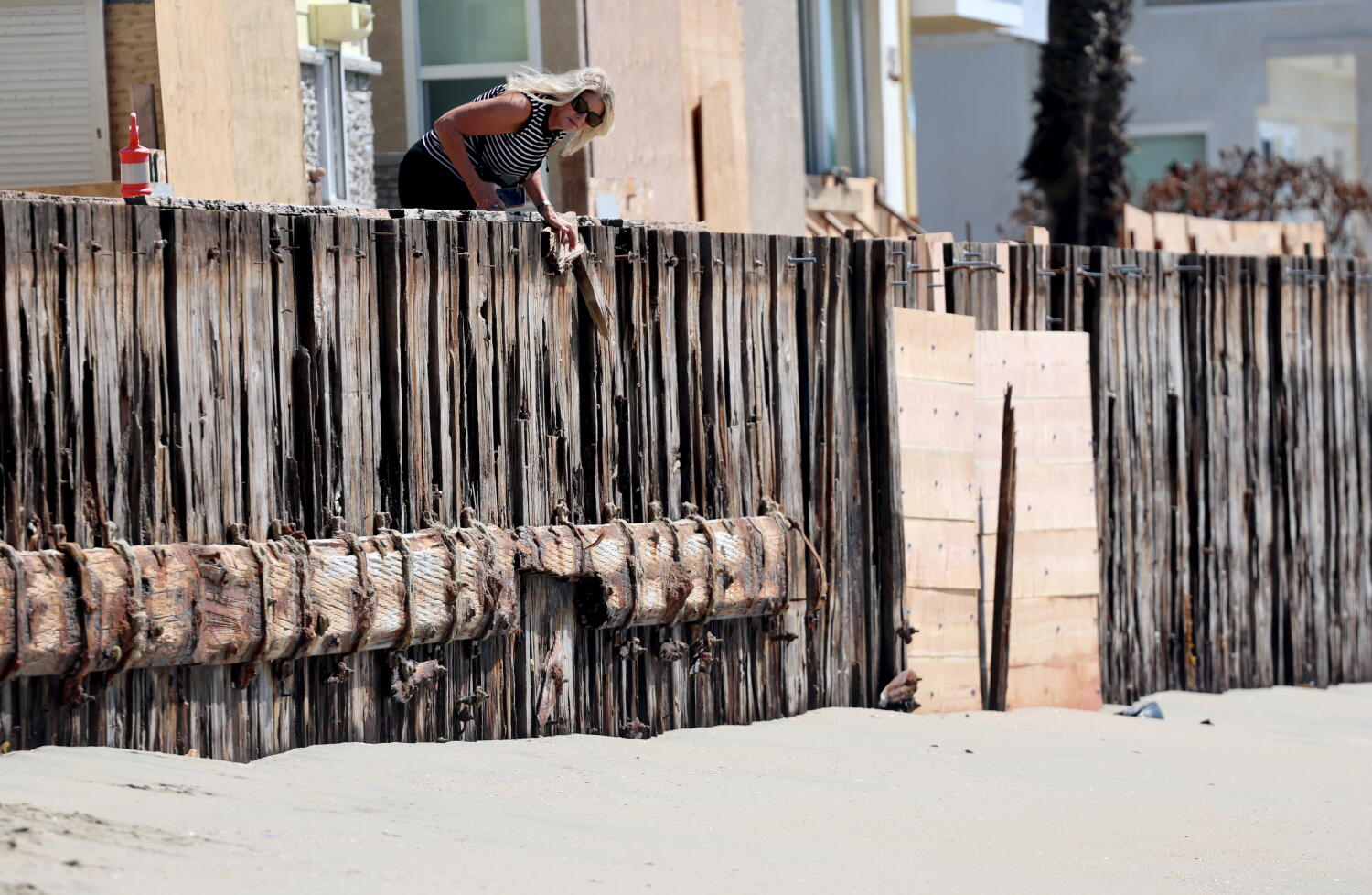
Along the Long Beach Peninsula, the damage was immediate and visceral. Century-old boardwalk walls cracked under the pressure. Sections of the protective barriers were completely gouged out, leaving neighborhoods exposed. Officials estimated that parts of the shoreline lost so much sand that the ocean came right up to private property lines. There was zero natural beach left to act as a shock absorber. To see the complete picture, we recommend the recent article by The Washington Post.
Homeowners woke up to flooded ground floors, ruined patios, and a profound sense of vulnerability. The city scrambled to inspect infrastructure, but the physical scars remained visible for weeks. When you walk along those streets, you see patched concrete and bruised seawalls. Those repairs were merely cosmetic bandages on a structural wound that had yet to heal.
Why Hurricane Polo Was a Different Kind of Threat
Just as residents started catching their breath, Hurricane Polo formed in the Pacific and aimed its fury straight north. While Polo didn't make direct landfall in California, its sheer intensity generated colossal ocean swells that traveled hundreds of miles up the coast.
The timing could not have been worse. The beach hadn't recovered from Marie. Without that vital sand buffer, even moderate high tides carried immense destructive potential. City officials declared a state of emergency because they knew what was coming. Forecasters warned of four- to seven-foot surf, dangerous rip currents, and aggressive coastal flooding during morning high tides.
Water levels crept dangerously close to doorways. Beach parking lots transformed into shallow lagoons. Bike paths vanished beneath churning saltwater. The psychological toll on residents was palpable. People who survived Marie watched the horizon with absolute dread, knowing their temporary defenses were standing between them and disaster.
Emergency Measures and the Limits of Sandbags
When a state of emergency goes into effect, local crews move fast. In Long Beach, city workers hauled in thousands of heavy-duty, three-thousand-pound sandbags to reinforce weak spots along the Peninsula. Heavy machinery worked around the clock to build makeshift berms where nature had completely wiped out the shoreline.
Yet, sandbags have severe limitations. They are a desperate thumb in the dike, not a permanent engineering fix. As soon as the first heavy waves rolled in from Polo, water washed right over the improvised barriers. Some sandbags shifted, sank, or simply disappeared beneath the churning froth.
Property owners were told point-blank that protecting private homes was their own responsibility. That realization sparked fierce debates over municipal accountability versus personal preparedness. Relying on temporary sandbags is like putting a band-aid on a broken bone. It buys you a few hours of time, but it doesn't stop the inevitable pressure of the tide.
The Multi Million Dollar Solution We Desperately Need
You cannot fight the Pacific Ocean with temporary fixes. City leaders and engineers recognize that Long Beach needs a massive, long-term intervention to save the Peninsula from washing away entirely. A proposed $9.27 million dredging project for the Alamitos Bay Channel aims to pump roughly 415,000 cubic yards of sand back onto the depleted shoreline.
This is not a cheap endeavor. Dredging operations require specialized marine vessels, meticulous environmental reviews, and perfect weather windows. Pumping hundreds of thousands of cubic yards of sand onto the beach creates a wide, sloping barrier that absorbs wave energy before it ever reaches concrete seawalls.
Critics argue that spending millions on sand that might wash away in the next big storm is a losing game. Proponents counter that doing nothing guarantees the destruction of valuable public infrastructure and private homes. The hard truth is that sea levels are rising, and storm intensities are shifting. Cities must adapt or watch their most iconic neighborhoods drown.
What Coastal Homeowners Must Do Right Now
If you own property near the water or live in a flood-prone coastal zone, sitting back and hoping for the best is a terrible strategy. Municipalities can build breakwaters and dredge channels, but frontline defense starts at the property level.
First, secure your perimeter. Elevate vital electrical equipment, seal basement doors, and keep a stockpile of sandbags ready before hurricane season peaks. Do not wait for an emergency declaration to source supplies. By the time authorities sound the alarm, hardware stores are completely empty.
Second, understand your insurance reality. Standard homeowners policies do not cover coastal flooding or storm surge damage. If you don't carry specific flood insurance, a single high-tide event can wipe out your financial life savings.
Third, stay informed through official channels rather than social media panic. Local weather stations and municipal alerts provide accurate data on tide schedules and evacuation advisories. Pay attention to National Weather Service warnings regarding high surf and coastal flood risks.
The ocean remains an unforgiving neighbor. Long Beach survived the initial double-punch of Marie and Polo, but the underlying vulnerability remains unaddressed. Until permanent engineering solutions take root, every hurricane season brings a fresh test of survival.