September of 1996 smelled like hot asphalt, stale casino air, and the electric, low-humming tension of a city that never blinked. A white Cadillac idling at a red light on Flamingo Road. The roll of a window. The sudden, staccato violence of heavy caliber rounds tearing through metal and flesh. And just like that, twenty-five years of music, raw poetry, and cultural revolution froze in a pool of blood outside a BMW.
For nearly three decades, the murder of Tupac Shakur felt less like an unsolved crime and more like an open wound that refused to scar.
If you lived through those years—if you remember watching the news anchor stumble over the bulletins, or buying The Don Killuminati: The 7 Day Theory like a sacred text delivered in grief—you lived with a strange kind of civic vertigo. Everyone knew. Or at least, everyone in the streets whispered the same names, pointed toward the same shadows, and tracked the same fading footprints. The conspiracy theories grew wilder with every passing anniversary. Some swore he was living under an assumed name in Cuba. Others tracked mysterious sightings in disguise. But the truth was far more mundane, and infinitely more tragic. The truth was sitting in plain sight, protected by a wall of silence, fear, and institutional inertia.
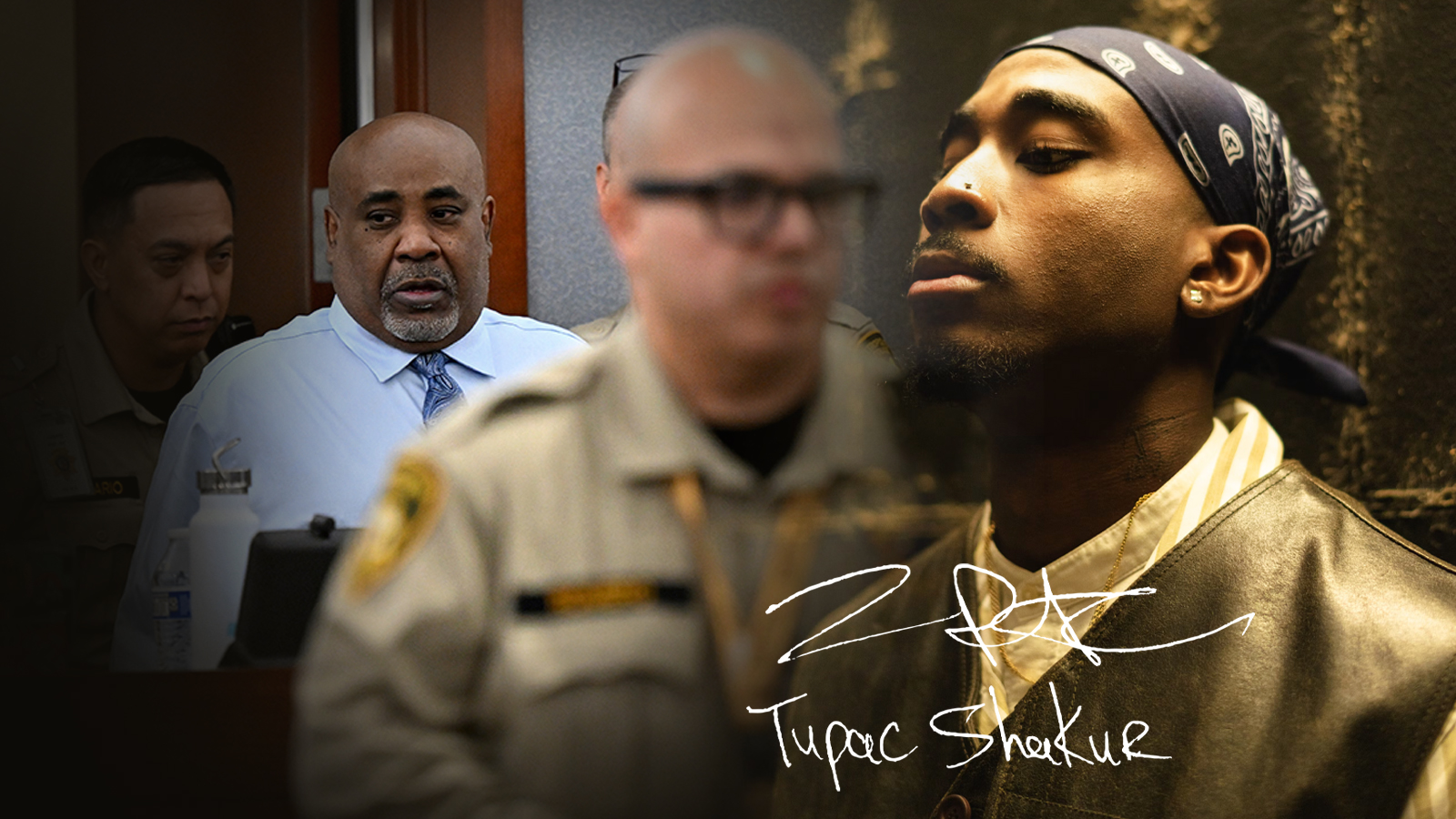
Silence is a heavy currency in certain neighborhoods. It is bought with intimidation and paid for in blood. When Duane "Keefe D" Davis finally found himself talking on tape—boasting, explaining, unraveling the mechanics of that night in Las Vegas because he thought cancer was coming for him anyway—he broke a code that had held the American public hostage for twenty-seven years.
Justice moves at the speed of a glacier when the victims are young, Black, and famous in a way that terrifies the establishment.
Consider the mathematics of delay. Twenty-seven years. Children born the year Tupac died were graduating college, having their own children, and buying homes by the time a grand jury in Clark County finally handed down an indictment. Generations turned over. Witnesses aged out of memory or passed away entirely. Officer Dale Langdon, who pulled the bleeding rapper from the passenger seat of Suge Knight's car on that fateful September night, spent decades wondering if the system would ever catch up to the shadows.
When the trial finally materialized, it lacked the cinematic triumph Hollywood promises us. There were no dramatic courtroom confessions on the witness stand, no tearful repentance under cross-examination. Instead, there was the dry, methodical trudging of prosecutors piecing together old police files, audio transcripts, and the reckless boasts of a man who had spent a lifetime treating murder like a badge of honor.
Guilty.
The word dropped into a quiet courtroom, but it echoed across millions of living rooms, car stereos, and front porches where people had mourned a poet who never got to grow old.
Yet, as Duane Davis was led away to spend the remainder of his days behind bars, a hollow victory settled over the culture. Prison walls cannot resurrect a twenty-five-year-old visionary. They cannot give back the albums he never recorded, the films he never starred in, or the quiet middle age he deserved to live out far away from the blinding lights of West Coast versus East Coast rivalries that were largely manufactured by a sensationalist media and fueled by fragile egos.
We got our verdict. But the ledger remains unbalanced.
Tupac Shakur left behind a blueprint of endurance wrapped in fatalism. He rapped about dying young, predicted his own violent exit, and dared the world to understand the socioeconomic pressure cooker that manufactured his rage. He was a product of the Black Panther Party lineage—stepped in revolutionary theory, yet trapped in the ruthless commercial machinery of 1990s gangsta rap. He was complex, contradictory, brilliant, and deeply flawed.
And that is why the thirty-year wait for a guilty verdict hurts so deeply. We weren't just waiting for a killer to be named. We were waiting for the world to admit that his life mattered just as much as anyone else's. We were waiting for a lazy, indifferent investigative apparatus to wake up and do its job.
The white Cadillac is long gone. The streets of Las Vegas have paved over the old memories, replacing neon with newer, brighter distractions. But every time a young artist steps up to a microphone, or a troubled kid in an inner-city classroom finds solace in the rhythmic cadence of Changes, the ghost of Tupac Shakur walks the room. He didn't just leave a catalog of music; he left an interrogation room open for America, forcing us to look at the intersection of fame, race, violence, and neglect.
The handcuffs clicked. The gavel fell. But the music keeps playing, louder than the silence that tried to bury it.