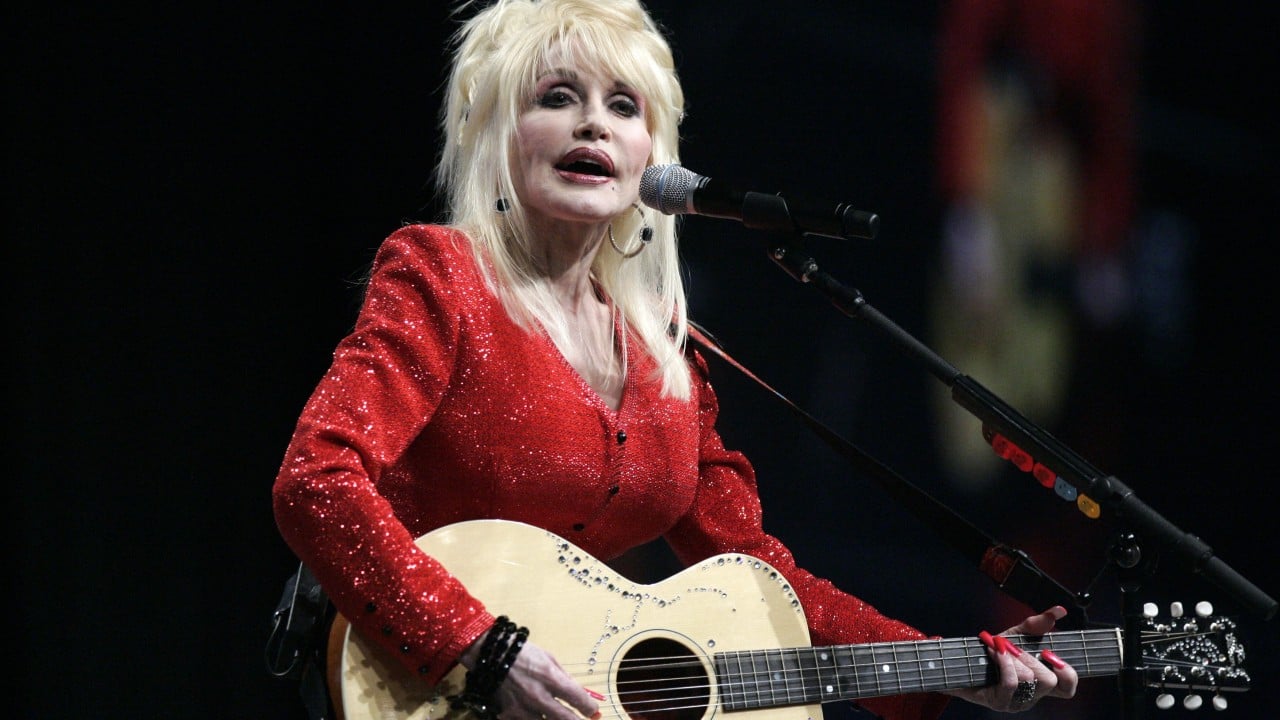
The world feels a little less sparkly today. Dolly Parton has died at the age of 80 at the Vanderbilt-Ingram Cancer Center in Nashville, surrounded by her loved ones. Her nephew, Bryan Seaver, shared the heartbreaking news on Instagram, confirming that the queen of country music passed away following a brief battle with cancer.
We always talk about legends like they will live forever. With Dolly, it honestly felt like they might. She was a constant, glittering fixture of American culture for six decades, writing over three thousand songs, starring in blockbuster films, and building an empire from the red clay of Sevier County, Tennessee. But no amount of rhinestones or high-wattage charm could cheat time. Now, we are left trying to measure a legacy that completely defies standard math. For a deeper dive into this area, we recommend: this related article.
Beyond the Rhinestones and Wigs
Most people know the caricature. Big hair, tight sequined dresses, self-deprecating jokes about how much money it takes to look that cheap. Dolly leaned into that persona with absolute genius. She understood early on that if you make fun of yourself first, nobody else can hurt you.
Underneath the comic-book exterior sat one of the sharpest minds in the entertainment industry. She wrote "I Will Always Love You" and "Jolene" on the exact same day in 1973. Think about that for a second. Most songwriters spend an entire lifetime chasing a single track that manages to capture raw human vulnerability. Dolly tossed off two absolute masterpieces before lunch. For further background on the matter, detailed coverage can also be found on Wall Street Journal.
She bought back her publishing rights when Nashville was still an old boys' club that treated female artists like disposable pop commodities. She launched her own production company, Sandollar, which brought projects like Buffy the Vampire Slayer to life. She turned a modest East Tennessee theme park into Dollywood, anchoring the economy of an entire region.
A Quiet Philanthropy That Changed Millions of Lives
Dolly never made a grand political spectacle out of her giving, which made her philanthropy hit even harder. When she started the Imagination Library in 1995 to mail free books to children from birth until they start school, she did it because her own father never learned to read. That program expanded globally, putting hundreds of millions of books into the hands of kids who might otherwise never owned a hardcover story.
When the COVID-19 pandemic hit in 2020, she quietly dropped a million dollars into research at Vanderbilt University. That money directly funded the early trials that led to the Moderna vaccine. She joked about it on late-night television like it was pocket change. That was her superpower. She carried monumental influence while acting like your favorite aunt from down the holler.
The End of an Era in Nashville
Her death marks the closing chapter of a golden era in country music. With her husband Carl Dean passing away just last year after nearly six decades of a remarkably private marriage, Dolly often spoke about feeling ready for whatever came next. She canceled her planned appearances and residency earlier this year as health issues mounted, admitting to dizzy spells and sheer exhaustion.
Tributes are pouring in from every corner of the globe, from the White House to dive bars in East Nashville. But statements and half-mast flags feel small compared to the void she leaves behind. She didn't just sing about working nine-to-five; she embodied a fierce, independent work ethic that inspired generations of artists from Miley Cyrus to Beyoncé.
Listen to "Coat of Many Colors" today. Pay attention to the way she writes about poverty with dignity instead of pity. That is who Dolly Parton was, long after the sequins faded. She was the real deal.