The state-sanctioned execution of individuals linked to anti-government demonstrations in Iran is not merely a legal proceeding; it is an active mechanism of political containment designed to dismantle public dissent through calculated terror. When the judiciary hands down capital punishment under sweeping charges such as enmity against God, or moharebeh, the objective extends far beyond retribution for property damage or clashes with security forces. It functions as a public communication strategy. Every gantry erected in public squares serves as a visual warning to a restless demographic that continues to challenge the foundational authority of the Islamic Republic.
Understanding the current wave of executions requires looking past the individual case files and examining the structural vulnerability of the ruling establishment. Following the nationwide uprisings sparked by the death of Mahsa Amini, the state faced a legitimacy crisis of unprecedented proportions. The protests transcended economic grievances, evolving into a direct rejection of clerical rule. In response, security apparatuses shifted from crowd containment to a policy of systemic deterrence. Executions are accelerated when state actors perceive an erosion of fear. By eliminating prominent participants, the regime attempts to sever the nervous system of grassroots organizing, depriving decentralized movements of experienced coordinators and symbols of resistance.
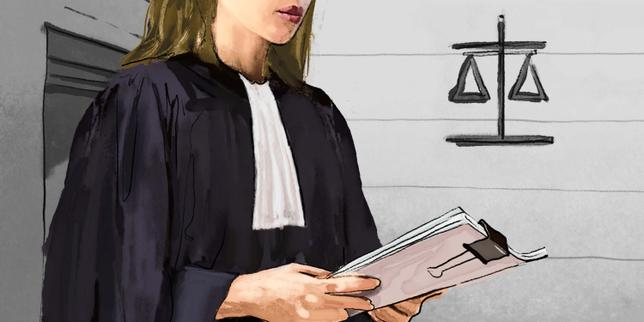
The legal mechanics behind these capital cases reveal a systematic disregard for international standards of due process. Defense attorneys frequently report being denied access to client files during preliminary investigations. Confessions extracted under physical and psychological coercion form the bedrock of the prosecution's evidence in Revolutionary Courts. These tribunals operate under the direct influence of intelligence agencies, transforming trials from fact-finding inquiries into predetermined rituals of state power. The absence of transparent judicial oversight ensures that the death penalty remains a flexible political instrument, deployed precisely when the regime needs to project unyielding strength to its domestic constituency and regional rivals.
Yet, this reliance on capital punishment exposes a profound paradox at the heart of state governance. A government confident in its mandate does not require the continuous threat of the hangman's noose to maintain civic order. Each execution deepens the reservoir of collective grief and anger, hardening the resolve of underground networks and shifting resistance from overt street demonstrations into more resilient, covert forms of organizing. Families of executed protesters routinely transform memorial gatherings into focal points of political defiance, subverting the state's intention to silence dissent permanently.
International condemnation, while diplomatically significant, often bounces off a political elite insulated by years of economic sanctions and focused entirely on regime survival. Western governments issue statements of outrage, and human rights organizations compile meticulous ledgers of violations, but these measures rarely alter the internal calculus of security hardliners. For the architects of this policy, the cost of appearing weak on dissent vastly outweighs the diplomatic fallout of international isolation.
The trajectory of civil unrest in Iran indicates that state-sponsored executions have ceased to act as an effective deterrent. Instead, they have institutionalized a cycle of state violence and underground resistance that will define the political landscape for the foreseeable future. The system relies on absolute submission, yet every execution reminds the population of what is at stake, hardening the line between a fading authority and a population refusing to forget.