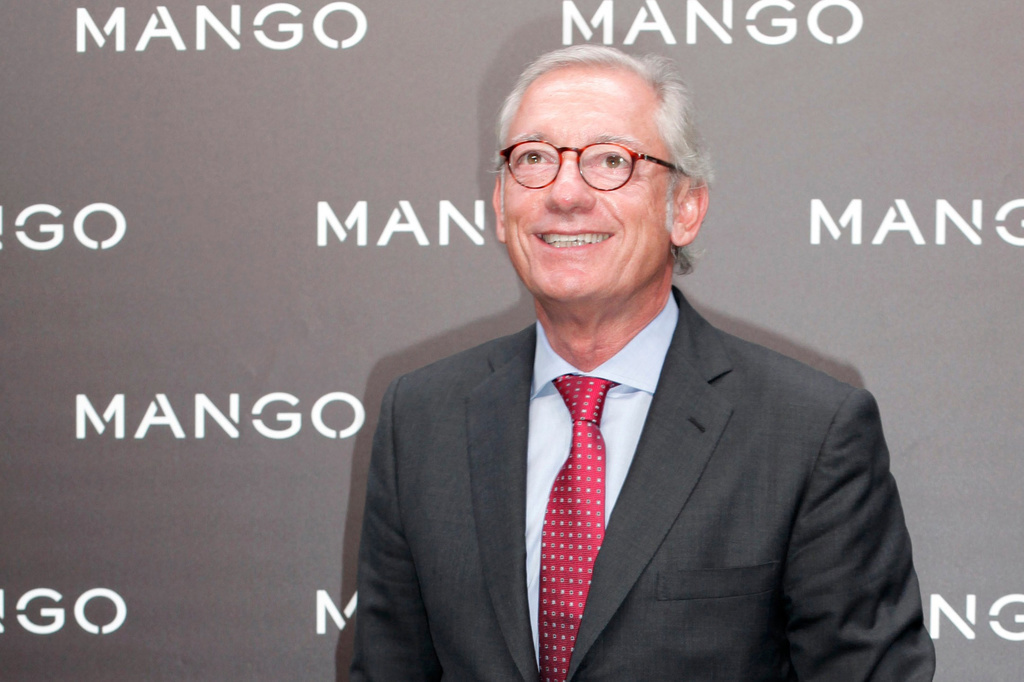
The arrest of Jonathan Andic on homicide charges in connection with the fatal cliff fall of his billionaire father, Mango founder Isak Andic, has sent shockwaves through the global retail market. On May 19, 2026, Catalan police detained the 45-year-old vice chairman of Spain’s fast-fashion juggernaut before a judge in Martorell released him on a €1 million ($1.15 million) bail. The elder Andic died in December 2024 after a 500-foot plunge down a ravine in the Montserrat mountains near Barcelona, an incident initially dismissed as a tragic hiking mishap. With Jonathan Andic ordered to surrender his passport and report to court weekly, the sudden shift from an accidental tragedy to an active murder investigation threatens to destabilize one of Europe's largest private retail dynasties.
The implications stretch far beyond a fractured family. Mango, a privately held empire that generated a record €3.8 billion ($4.4 billion) in revenue in 2025, now faces a profound leadership crisis that could rattle supply chains, creditor confidence, and its aggressive international expansion strategy.
From Mountain Tragedy to Homicide Docket
When 71-year-old Isak Andic tumbled down a sheer cliff side in the winter of 2024, the narrative seemed straightforward. He was an aging billionaire enjoying a stark, remote landscape alongside his eldest son and designated heir. Jonathan was the sole witness to the fall. Regional authorities closed the file within weeks, chalking the death up to the inherent perils of mountain trekking.
The case did not stay buried. In March 2025, investigators quietly reopened the file. By autumn, judicial authorities officially upgraded Jonathan’s status from grieving witness to a formal suspect.
According to Spanish judicial leaks, forensic examiners found no single "smoking gun." Instead, the Mossos d'Esquadra built a circumstantial web. A series of anomalies in the timeline, positioning data from mobile devices, and physical inconsistencies at the edge of the Montserrat ravine slowly dismantled the accident theory.
The defense maintains a stance of absolute innocence. A family spokesperson emphasized that Jonathan is cooperating fully with the courts, expressing complete confidence that the legal process will clear his name.
The Billion Euro Boardroom Succession Crisis
Private retail empires are notoriously dependent on the stability of their founding bloodlines. Isak Andic, a Sephardic Jewish immigrant who arrived in Catalonia from Istanbul in the late 1960s, built Mango from a single Barcelona storefront in 1984 into a global powerhouse spanning 2,900 locations across 120 markets. He ruled with an entrepreneurial iron fist, embedding his DNA into the corporate culture.
Jonathan Andic was groomed for decades to inherit this mantle. Serving as vice chairman, he has been a driving force behind the brand's modernization efforts to compete with arch-rival Inditex, the parent company of Zara.
| Mango Financial and Operational Footprint (2025 Data) | |
|---|---|
| Global Revenue | €3.8 Billion ($4.4 Billion) |
| Year-over-Year Growth | 11% |
| Total Retail Locations | 2,900 |
| Active Markets | 120 |
| Pending Bail Amount (Jonathan Andic) | €1 Million |
The corporate structure of Mango is ill-equipped for a prolonged criminal trial involving its top executive. While day-to-day operations are handled by an executive committee, the strategic vision is tied to the Andic family trust. If Jonathan is sidelined or convicted, a brutal succession battle could erupt among Isak’s three children.
Corporate history shows that when a charismatic founder dies under a cloud of internal suspicion, institutional inertia sets in. Suppliers require stability. Lending banks closely monitor key-man clauses in credit agreements. A homicide trial targeting the heir apparent gives corporate creditors immediate grounds to re-evaluate risk profiles, potentially tightening Mango's cash flow at a time when the brand is pouring capital into expanding its brick-and-mortar footprint in the United States.
The Fragility of Private Fast Fashion Dynasties
Unlike publicly traded retail corporations, privately held giants lack the institutional buffers required to weather existential scandals cleanly. If a CEO of a public company is indicted, an independent board of directors immediately terminates the contract, installs an interim executive from a vetted shortlist, and reassures the public markets.
Mango lacks that luxury. The family and the business are indistinguishable.
The fast-fashion industry operates on razor-thin timelines and hyper-optimized logistics. Success relies heavily on maintaining flawless relationships with textile factories across Asia, North Africa, and Turkey. These supplier ecosystems run on trust and predictable, multi-million-euro credit lines.
The specter of a corporate leader facing a potential decades-long prison sentence for parricide introduces massive operational friction. International partners are bound to question who holds the ultimate signing authority for long-term manufacturing contracts. If the internal power struggle drags on through weekly mandatory court appearances, Mango risks falling behind in the relentless, weekly production cycles required to stay competitive against agile, ultra-fast fashion predators like Shein and Temu.
The Catalan courts have imposed a strict nondisclosure order on the finer details of the evidentiary filings. Jonathan Andic returns to the Martorell courthouse next week to begin a grueling legal process that will dictate not only his personal liberty, but the fate of a multi-billion-euro fashion empire left teetering on the edge of a cliff.