The sound of Khartoum changing forever did not start with a bomb. It started with the sharp, dry snap of a door lock turning from the outside, followed by the hurried scuff of running shoes on sun-baked asphalt.
Meet Amina. She is a fictional composite built from the testimonies of thousands who lived through the initial hours of April 15, 2023, when the capital of Sudan fractured. Amina stands in her kitchen, staring at a half-filled kettle. Water sits on the burner. The gas is still on. But the street outside is shouting, and the first metallic crack of gunfire rattles the windowpanes.
She leaves the kettle. She leaves the family photo albums stacked neatly by the sideboard. She leaves the life she spent forty years building, carrying only a plastic bag with her mother’s identity papers and a bottle of warm water.
Sudan did not arrive at this war by accident. To understand how a nation of over forty-eight million people—rich with Nile silt, ancient history, and extraordinary cultural diversity—found itself bleeding onto its own doorsteps, we have to look past the breaking news banners. We have to look at the architecture of power.
The Roots of the Fracture
Power in Khartoum has long been a game of musical chairs played with loaded weapons. For decades, the country weathered civil wars, most notably the long, agonizing split that birthed South Sudan in 2011. But the current catastrophe is different. It is an intra-state duel between two armed factions that were supposed to protect the democratic transition: the Sudanese Armed Forces, led by General Abdel Fattah al-Burhan, and the Rapid Support Forces, commanded by Mohamed Hamdan Dagalo, known widely as Hemedti.
These are not distant strangers meeting on a foreign battlefield. They are former allies of convenience. They sat in the same command rooms. They orchestrated the overthrow of longtime authoritarian ruler Omar al-Bashir in 2019. They promised the civilian population a roadmap to democratic elections.
Instead, they carved up the state’s resources between them.
Think of it like two mechanics sharing a single garage, both holding keys to the same ignition, but each convinced the other is about to drive the car off a cliff. When the integration of their forces became the final ultimatum, neither man blinked. They pulled their weapons inside the garage. And the garage caught fire.
The Invisible Stakes
Numbers numb us. Let us strip away the statistics for a moment, though the statistics are staggering: over ten million people displaced, millions teetering on the edge of famine, hospitals bombed into hollow concrete shells.
Consider instead the weight of a single kilogram of flour in Darfur right now.
Before the war, a family could buy bread. Markets bustled with the scent of roasted cumin, fresh flatbread, and sweet tea. Today, those same markets are ash. Supply chains have snapped like dry twigs. When foreign diplomats and journalists evacuated in the opening weeks, a quiet panic set in. The outside world packed its bags. The Sudanese people were left behind to navigate a labyrinth of checkpoints manned by teenage boys holding assault rifles too big for their shoulders.
Why won't the fighting stop?
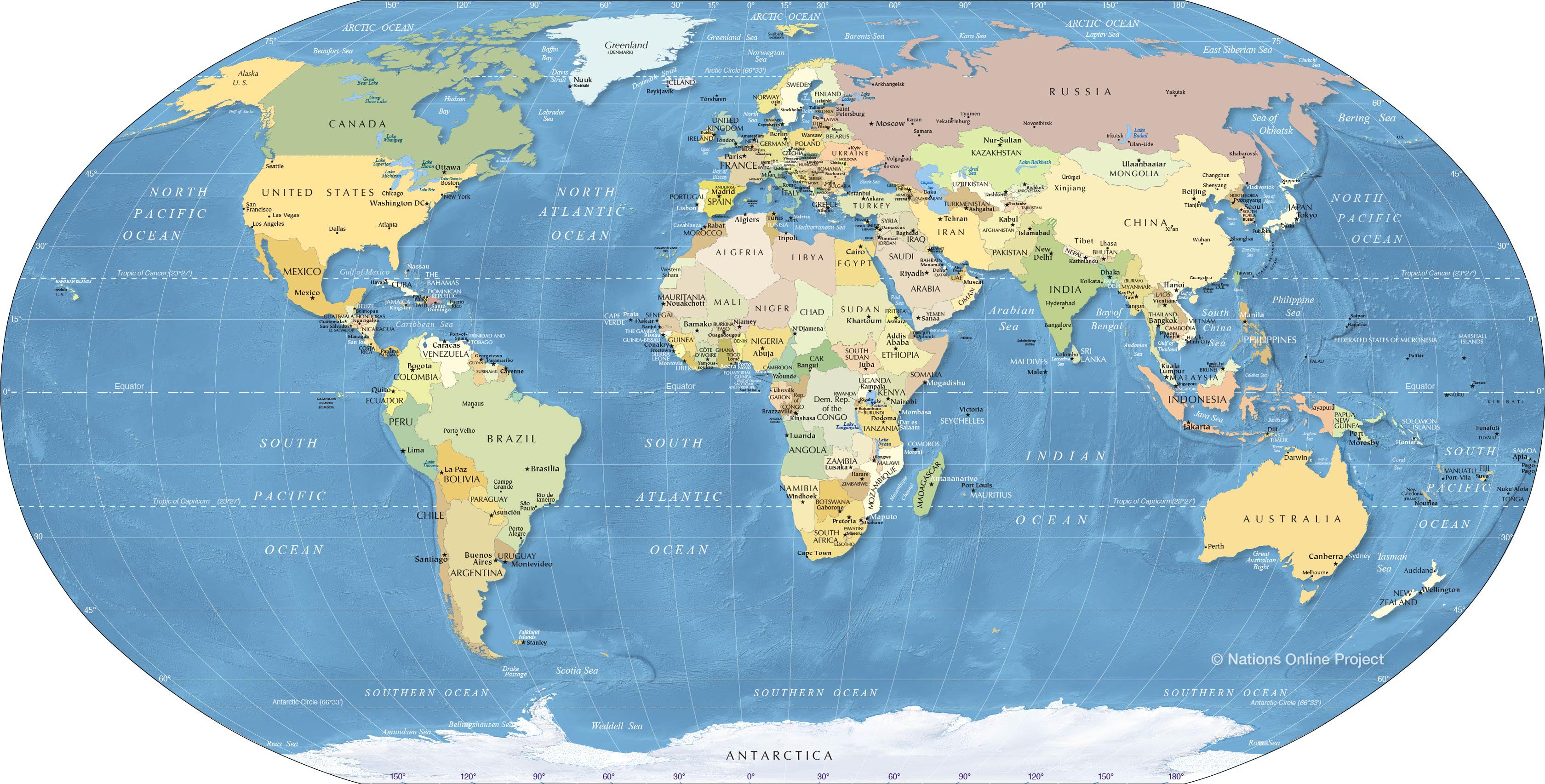
The answer lies in impunity and economics. Both factions control vital lifelines. The military holds the institutional legitimacy of the state, while the Rapid Support Forces hold vast networks of gold smuggling routes and commercial enterprises. As long as external patrons funnel weapons across porous borders—through Chad, Libya, South Sudan, and the Red Sea—neither side feels the economic pinch required to force them to a negotiating table.
Wars do not end because generals grow a conscience. Wars end when the cost of fighting exceeds the cost of surrendering. Right now, for the men holding the guns, the cost of stopping is execution, exile, or the loss of immense wealth. So they keep firing.
The Anatomy of Mediation Fatigue
Diplomacy has become a graveyard of acronyms. Jeddah. Addis Ababa. IGAD. The African Union.
International envoys shuttle from luxury hotels in neighboring countries, drafting ceasefire agreements that evaporate before the ink dries. Each failed peace talk deepens the cynicism of the population. A cynical public is a vulnerable public.
Consider what happens next if the stalemate hardens into partition.
Sudan risks becoming a permanent patchwork of fiefdoms, a graveyard of lost potential where a generation of children grows up without classrooms, without vaccines, and without a single memory of peace. The Red Sea coastline turns into a staging ground for regional proxy wars. The agricultural breadbasket of the Gezira scheme—once envisioned as a breadbasket for the entire region—lies fallow, choked by weeds and abandoned tractors.
Yet, defiance blooms in the darkest soil.
Step inside a clandestine emergency response room in Omdurman. There are no grand politicians here. There are university students, neighborhood volunteers, and mothers pooling their meager savings to buy insulin on the black market. They operate underground networks reminiscent of historic resistance movements. They cook communal meals in courtyards shielded from sniper fire. They smuggle medicine across frontlines in bicycle baskets.
They are holding the skeletal remains of civil society together with sheer will.
The Final Chord
Peace in Sudan will not be handed down from a podium in Geneva or New York. It will not arrive courtesy of a benevolent mediator waving a signed parchment.
It will be wrenched into existence by the exhaustion of the people, the drying up of illicit finance, and the realization by regional actors that a failed state on the banks of the Nile is a contagion that eventually burns everyone's doorstep.
Amina is still walking.
She has crossed a border now, living in a cramped tin-roofed room in a neighboring country where the dust tastes different. She has no job. She has no home. But every evening, at sunset, she sits on a plastic stool and tunes her radio to a faint, crackling frequency broadcasting news from home.
The war is still there. The generals are still defiant. But somewhere in the static, a song from her childhood plays—a reminder that a country is not just its borders, or its weapons, or the men who tear it apart.
It is the unbroken spirit of those who refuse to let the story end.