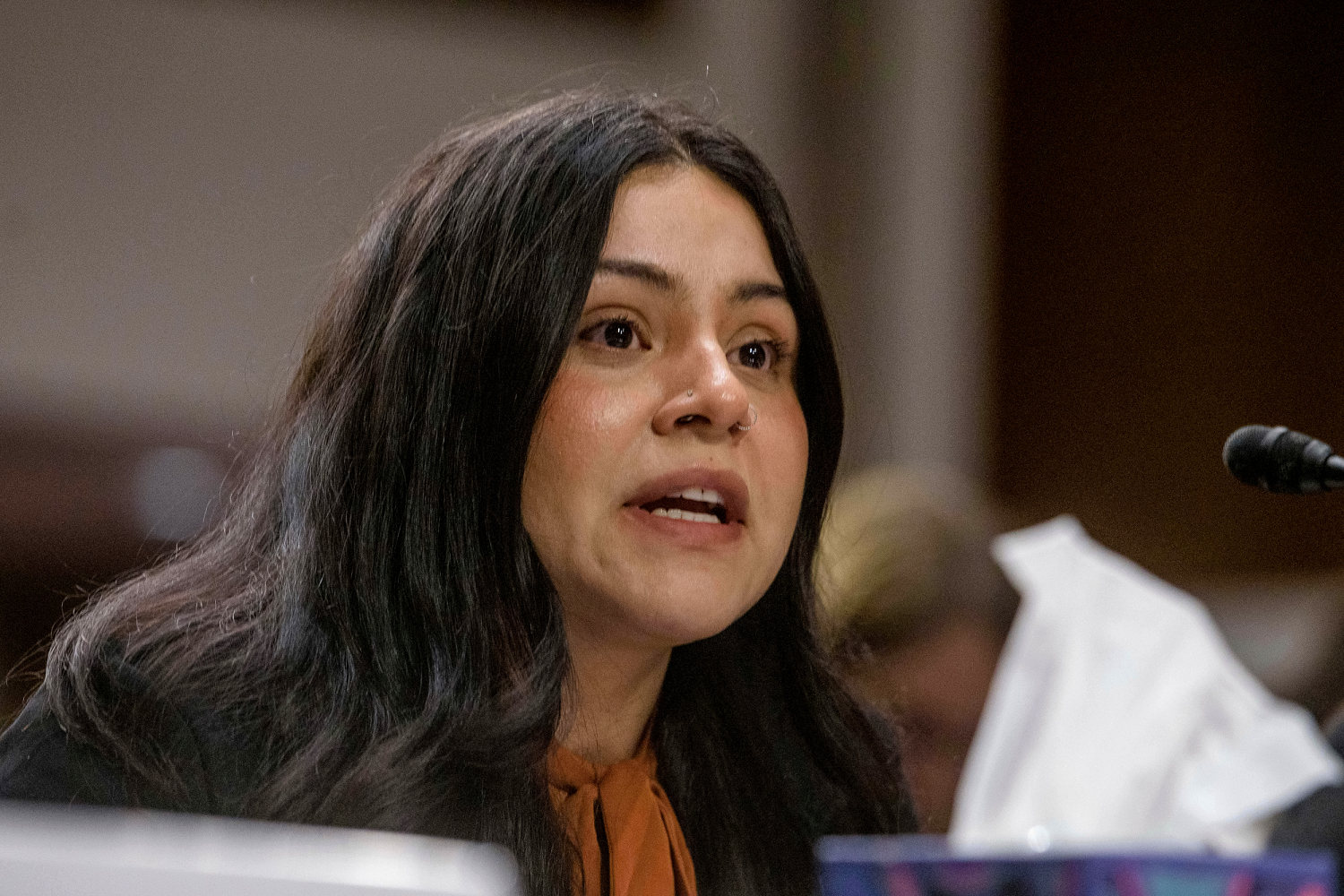
When a school teacher gets shot five times by a federal officer on a neighborhood street, the official story usually tries to blame the victim instantly. That script fell apart in Chicago. Marimar Martinez, a 30-year-old U.S. citizen, filed a federal lawsuit against the government after surviving a shooting that should never have happened. If you only looked at the initial Department of Justice press releases, you would think a dangerous criminal tried to mow down federal agents. Reality turned out to be far more complicated, and far more disturbing.
How an October Morning Descended Into Chaos
The incident took place during Operation Midway Blitz in Chicago's Brighton Park neighborhood. Martinez spotted federal immigration patrols rolling through her neighborhood and decided to follow them. She honked her horn and shouted warnings to alert her neighbors. What happened next turned a neighborhood protest into a shooting scene. If you enjoyed this piece, you might want to check out: this related article.
According to federal prosecutors, Martinez allegedly tried to ram her vehicle into a white Chevy Tahoe driven by Customs and Border Protection agents. Her legal team tells a completely different story backed by video evidence. Surveillance footage and bullet trajectory analysis indicate that the Border Patrol vehicle sideswiped her car, and that Agent Charles Exum fired five shots into her vehicle while she was actually driving away.
Martinez took bullets in her right arm and both legs. Bleeding, she managed to drive to a nearby auto repair shop where emergency responders found her. Instead of treating her solely as a victim of a shooting, the immediate response from federal authorities was institutional self-preservation. For another perspective on this event, see the latest coverage from Reuters.
The Criminal Charges That Vanished
Within a day of the shooting, federal prosecutors charged Martinez with assaulting, resisting, and impeding federal officers. The government painted her as a domestic threat. But the case began to crumble under basic judicial scrutiny and investigative journalism.
First, defense attorneys discovered a bizarre chain of custody issue with the vehicle involved. Border Patrol permitted Agent Exum to drive his Tahoe roughly 1,100 miles back to his home base in Maine before the defense could inspect it for damage. A mechanic in Maine even attempted to buff out scuff marks with a rag. The presiding judge expressed open shock at the mishandling of physical evidence.
Second, internal communications leaked to the public. Text messages surfaced showing Agent Exum bragging to colleagues about the shooting. He joked about his shooting accuracy, writing that he fired five rounds while she sustained seven holes, telling teammates to put it in their book. Other agents congratulated him in group chats, offering to buy him drinks and calling him a legend.
Faced with mounting scrutiny and crumbling credibility, federal prosecutors abruptly dropped all criminal charges against Martinez. The judge dismissed them with prejudice, meaning the government cannot refile those charges.
Why the Civil Lawsuit Matters Now
Dropping the criminal case was only the first step. Filing the federal civil lawsuit under the Federal Tort Claims Act shifts the battlefield to financial and institutional accountability. Martinez isn't just seeking damages for her physical injuries and trauma; she is pushing back against a culture of impunity.
When citizens step up to question aggressive federal policing tactics, they often face immense legal pressure. Martinez pointed out that staying silent only normalizes dangerous overreaches of power. Her case highlights the deep friction between local communities and federal enforcement surges operating without local accountability.
Holding agencies responsible requires looking past initial police reports and demanding transparent video evidence. If you are tracking civil rights developments or federal accountability measures, keep a close eye on how this bench trial unfolds. Accountability starts when victims refuse to accept the official narrative and force public agencies to answer tough questions in open court.