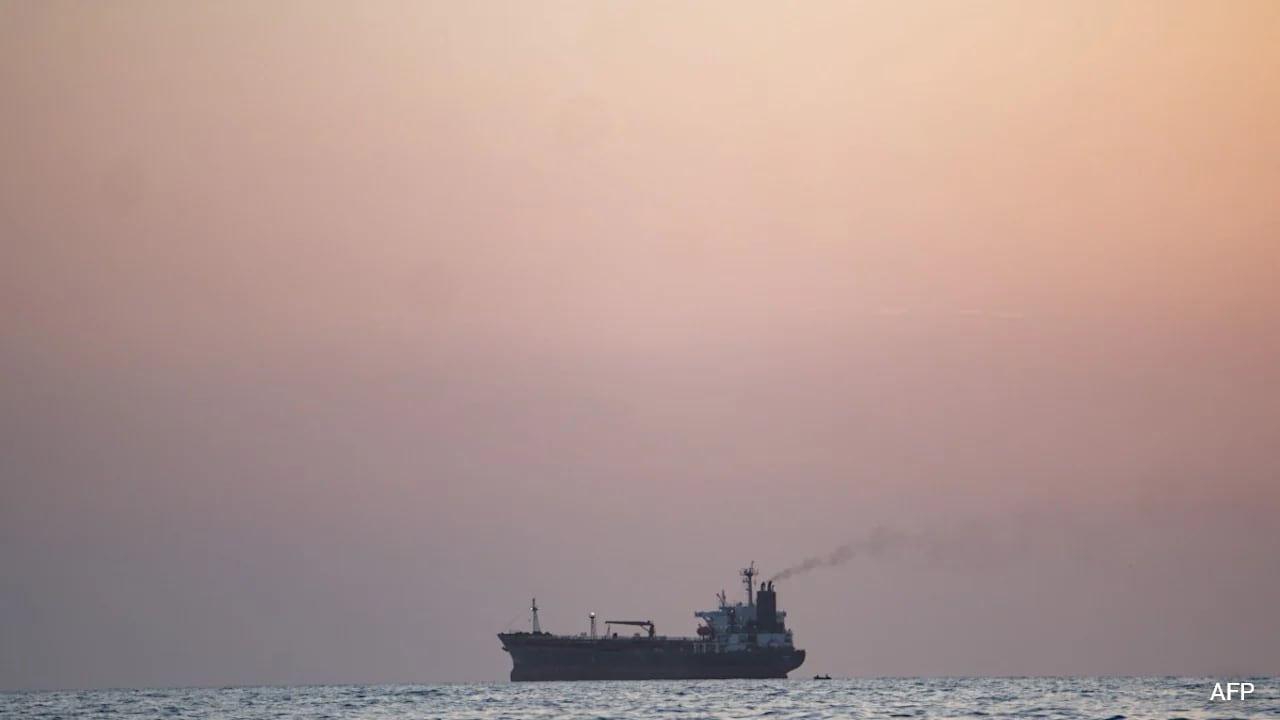
Headline confirmations of crew safety after a yacht attack off the coast of Yemen mask a far more intricate operational reality. When fourteen Indian nationals aboard a vessel in that corridor are reported safe by diplomatic missions, the immediate public relief obscures the underlying mechanics of maritime security, consular triage, and commercial risk pricing. To evaluate an incident of this nature rigorously, observers must separate the binary outcome of survival from the multi-stage chain of custody, verification, and economic consequence that follows an attack near a contested waterway.
This analysis provides a structured framework for dissecting maritime security incidents in high-risk zones, moving from immediate consular verification to structural risk transfer. Rather than treating a safety confirmation as the close of an event, the model below treats it as an early checkpoint inside a longer operational sequence involving flag states, naval coalitions, insurers, and national evacuations.
The Four Stages of a Maritime Attack Aftermath
A standard news report compresses hours or days of complex coordination into a single reassurance. In practice, a vessel attacked off the Yemeni coast moves through four distinct operational stages, each governed by different authorities and information constraints.
The first stage is kinetic containment and immediate crew accounting. During or right after an attack—whether involving boarding attempts, small-craft harassment, drones, or missiles depending on the specific threat profile—crew priorities shift from normal navigation to damage control, evasive routing, or shelter-in-place protocols. Accurate headcounts are harder to establish under stress than outside observers assume, especially on non-standard commercial craft, support vessels, or yachts operating outside rigid liner schedules.
The second stage is multi-source verification and diplomatic attribution. Embassies rarely originate raw tactical intelligence from the water. Instead, consular officials aggregate reports from vessel operators, shipping agencies, regional maritime security centers, port authorities, and naval assets operating nearby. A public statement that nationals are safe usually reflects verified contact or confirmed transfer to a secure location, yet the exact chain of custody between the point of attack and safe harbor is often still being reconciled.
The third stage is jurisdictional handoff and duty-of-care enforcement. A yacht or commercial vessel sits at the intersection of flag state rules, coastal state geography, beneficial ownership, crew nationality, and employment contracts. When Indian citizens are involved, the Indian embassy or consulate carries a clear diplomatic and welfare mandate, while the vessel operator and insurer hold contractual obligations for repatriation, medical care, and salvage or recovery.
The fourth stage is commercial and strategic repricing. Every confirmed strike or hostile approach in the Red Sea, Gulf of Aden, or adjacent waters updates risk models across marine war risk insurance, charter rates, routing decisions, and regional naval posture. Even when no lives are lost, the incident adds friction to an already strained maritime environment.
Known Facts Versus Educated Hypotheses
A disciplined breakdown requires separating confirmed facts from analytical inference. In a scenario defined primarily by a headline noting that fourteen Indian nationals aboard a yacht off the Yemeni coast are safe according to embassy confirmation, only a narrow set of facts is established by the premise itself: a yacht experienced an attack near Yemen's coast, fourteen Indian citizens were aboard, and diplomatic authorities confirmed their safety.
Everything beyond those core elements—such as the exact coordinates, the weapon or tactic used, whether the vessel remained afloat or was abandoned, or the commercial purpose of the yacht—remains an educated hypothesis unless independently verified by primary operational reporting. Treating unconfirmed details as settled fact is one of the fastest ways analysts misread maritime incidents.
This distinction matters because different threat profiles imply very different operational mechanics. Harassment by small skiffs or piracy-style boarding attempts stresses physical security, citadel or safe-room procedures, and distress signaling. Stand-off strikes or unmanned systems introduce ballistic or aerial hazards, electronic warfare complications, and rapid decision windows where a pleasure or charter yacht has minimal organic defense.
Why Diplomatic Safety Confirmations Lag Tactical Reality
Public statements from embassies serve a specific institutional function: reducing panic among families at home while signaling active state attention. That clarity of purpose can create a subtle timing gap between what happens on the water and what is releasable to the public.
The first bottleneck is information latency across jurisdictions. A vessel in distress may communicate through satellite terminals, VHF channels, or third-party intermediaries before information reaches a national mission inland or in a neighboring capital. Before confirming safety, diplomatic staff typically cross-check names, passport or seafarer records, and location status so they do not issue premature or inaccurate assurances.
The second bottleneck is operational security and ongoing exposure. Even after crew members are physically safe from the initial attack, their transit to a secure port, airport, or naval platform can carry residual risk. Embassies often withhold granular routing or timing details until personnel have cleared immediate transit hazards.
Consider a conceptual example: a crew of fourteen is moved from a disabled or threatened vessel onto a nearby patrol craft or commercial ship. From the moment transfer begins until personnel clear customs, medical checks, or staging points ashore, officials may confirm safety in broad terms while keeping movement paths confidential.
The Cost Function of Operating Near Contested Coasts
Operating any vessel—commercial, workboat, or private yacht—near a conflict zone alters the cost structure of maritime activity long before a shot is fired or a boarding line is thrown. Analysts can think of this exposure through a practical cost function with four main variables:
- Direct physical and asset risk: Potential hull damage, equipment loss, injury, or capture, which scales with vessel speed, freeboard, visibility, and proximity to high-threat lanes.
- Insurance and war-risk premiums: Higher underwriting costs, tighter policy exclusions, or mandatory risk notifications when entering designated high-risk or war-risk areas.
- Routing and delay penalties: Longer transit distances, fuel burn, crew rotation delays, and schedule disruption when operators reroute or hold vessels in safer anchorages.
- Compliance, escort, and coordination overhead: Expenses tied to heightened watchkeeping, security advisories, tracking protocols, and emergency contingency planning.
When a yacht rather than a large container ship or tanker is attacked, an additional structural factor enters the equation. Large commercial vessels often benefit from established company security officers, standardized emergency drills, and dense shipping lane awareness. Smaller or non-standard vessels can face tighter margins for error in propulsion, communications redundancy, and long-range endurance if forced to divert under pressure.
Second-Order Effects Missed by Surface Coverage
Surface-level coverage usually stops at whether the crew survived. In maritime strategy, however, the more consequential shifts often occur just beneath the headline.
One major second-order effect is behavioral chilling among adjacent operators. When vessels outside standard merchant fleets face attacks near a contested coast, owners and captains of similar craft reassess whether transit through adjacent waters justifies the exposure. Over time, risk perception shapes traffic composition in the corridor.
A second effect is consular and welfare load concentration. Major maritime labor-supplying nations such as India routinely manage complex crew welfare and evacuation contingencies across global shipping lanes. Even a single incident involving fourteen citizens triggers verification loops, family outreach, travel logistics, and inter-agency coordination that pull diplomatic bandwidth toward acute crisis management.
A third effect is data distortion in threat assessments. Incidents involving yachts or smaller vessels can sit at the edges of standard commercial shipping advisories if reporting formats focus heavily on merchant tonnage. Yet every kinetic event in the region contributes to the broader picture of maritime insecurity around Yemen and the wider Red Sea and Gulf of Aden system.
Step-by-Step Logic for Evaluating Future Maritime Incidents
When a similar headline surfaces in the future, an analyst or risk manager can apply a five-step diagnostic sequence rather than reacting to the initial framing:
- Isolate the verified core: Record only what is explicitly attributed to a credible authority—who was on board, what general area was involved, what type of craft is named, and what status is confirmed.
- Map the authority chain: Identify the flag state, coastal proximity, diplomatic mission involved, and commercial or private operator responsible for the vessel.
- Separate crew outcome from asset outcome: Track crew safety independently from vessel condition, salvage status, and ongoing transit exposure.
- Assess threat-to-vessel fit: Evaluate how the reported hazard interacts with the physical characteristics and defensive limitations of the specific vessel class.
- Trace downstream market and policy ripples: Watch for shifts in maritime advisories, insurance underwriting posture, route adjustments, and diplomatic repatriation steps over the following days.
Limitations of This Analytical Framework
No analytical model eliminates uncertainty in an active maritime environment. Open-source reporting on incidents near conflict zones frequently lags behind events, contains conflicting early accounts, or omits classified tactical details for valid security reasons.
Furthermore, a framework built around stages, cost variables, and verification steps explains how systems respond and where pressure builds, but it cannot predict individual tactical outcomes on the water. Human seamanship, weather, sea state, mechanical reliability, and split-second command decisions remain decisive variables that no spreadsheet or conceptual model can fully capture.
Strategic Play for Maritime Decision-Makers
For operators, insurers, and risk teams watching waters off Yemen, the immediate operational play is to treat diplomatic safety confirmations as a trigger for structured post-incident audit rather than an endpoint. Organizations with personnel or assets anywhere near contested regional waters should immediately review crew accounting logs, satellite and secondary communication redundancy, emergency evacuation pathways, and war-risk policy terms against the specific vessel profile involved in the incident. Waiting for a major escalation to test verification speed and contingency routing leaves teams reacting to headlines instead of governing risk.