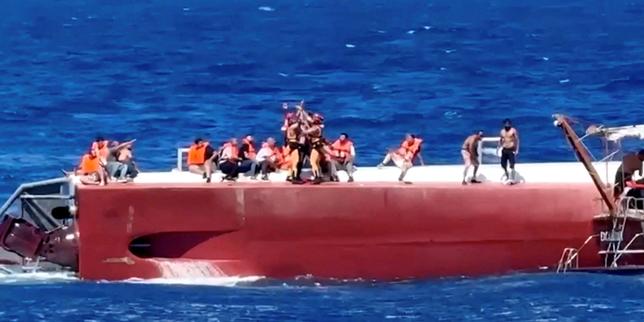
Tragedy struck off the coast of Cyprus when a cruise boat sank, leaving at least seven people dead and emergency services scrambling in the dark. It is a grim reminder of how quickly open water turns hostile.
You read the headline. Seven dead. You feel a familiar pang of sorrow, and then you scroll past. But behind that brief news alert lies a complex web of maritime safety failures, treacherous regional currents, and the harsh realities of Mediterranean sea travel. We need to talk about why these maritime tragedies happen in our backyard and what safety gaps authorities keep ignoring.
The Reality of Mediterranean Sea Hazards
People think the Mediterranean is a calm vacation pool. It isn't. When sudden squalls hit, small-to-medium vessels face immense pressure.
Maritime accidents in the Eastern Mediterranean usually share a few common threads. Overcrowding, unexpected weather shifts, and lax enforcement of safety protocols on older vessels drive these incidents. When a cruise boat goes down near Cyprus, rescue coordination becomes a race against time involving local coast guards, international cargo ships, and specialized aviation units.
- Weather Volatility: Clear mornings turn into gale-force winds by afternoon.
- Vessel Age: Many older boats operating commercial tours lack modern structural resilience.
- Response Lags: Open water distance slows down immediate medical triage.
Maritime experts have warned for years that regional oversight needs a massive overhaul. You cannot run leisure cruises with commercial cargo complacency. The sea demands respect. Most operators cut corners on life rafts and crew emergency training to pad profit margins.
What Actually Goes Wrong During Evacuations
Panic kills faster than water. When a ship takes on water, the sequence of events spirals out of control within minutes.
I spoke with a retired maritime inspector last year who broke down how easily chaos takes over a sinking vessel. Most passengers freeze. They do not know where life jackets are stowed because safety briefings get ignored during boarding. Crew members often lack the multi-lingual fluency required to direct international tourists in a crisis.
When power fails, emergency lighting systems frequently malfunction on older ships. People end up trapped in pitch-black corridors while the hull lists dangerously. That is why physical preparedness on your own part matters. Never board a vessel without locating the nearest emergency exit yourself. Do not trust that the crew has everything under control.
The Broader Impact on Regional Tourism
Cyprus relies heavily on marine tourism. Coastal cruises bring in millions of euros every single season.
When disasters like this strike, the entire industry takes a hit. Bookings drop. Tourists suddenly second-guess taking coastal excursions. Local economies feel the pinch immediately. Yet, instead of focusing solely on the economic fallout, the conversation has to shift toward accountability.
Governments need to mandate stricter inspections before vessels leave port. Random checks are not enough. Every single commercial boat should face mandatory quarterly safety audits. If an operator fails, pull their license instantly. No warnings. No second chances when human lives hang in the balance.
Next time you step onto a boat for a scenic day trip, look around. Check the life jackets. Ask where the emergency exits are. Your safety is your own responsibility first. Demand better standards from tour operators, and never ignore the ocean's raw power.