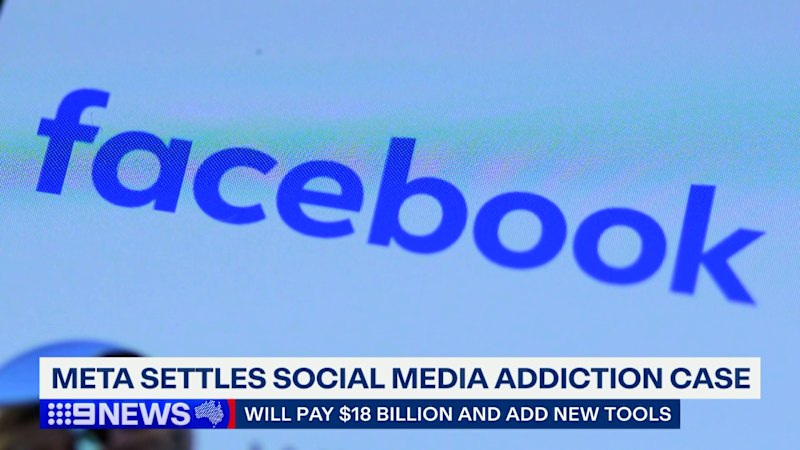
Big tech is rarely about fair play. It's about out-surviving your rivals while the regulators close in. When Meta agreed to massive legal settlements involving teen safety rules, the company didn't just write a check. They built a trap. Mark Zuckerberg agreed to billions in payouts on one strict condition. YouTube and TikTok have to share the financial and structural pain.
If you look past the corporate press releases, you see a classic defensive maneuver. Meta spent years fighting antitrust lawsuits and state-level investigations over how addictive Instagram and Facebook are for younger users. Instead of taking the entire hit alone, Zuckerberg and his legal team engineered a settlement structure that hinges on forcing ByteDance and Google to match their operational handcuffs.
The Economics of Forced Pain
Meta structured its massive legal settlement with dozens of U.S. states to include a multi-billion-dollar contingency clause. Roughly thirty percent of the multi-billion payout is directly tied to a simple ultimatum. YouTube and TikTok must adopt identical restrictions—such as strict daily time limits and mandatory nighttime lockouts for minors—and they have to match billions in financial penalties.
This isn't corporate altruism. It's weaponized regulation.
If Google and ByteDance ignore the challenge, they get to watch Meta absorb strict operational rules while they potentially capture market share from unburdened apps. If they comply, they hand over billions of dollars and cripple their own engagement metrics. Zuckerberg knows that short-form video feeds thrive on uninterrupted, compulsive scrolling. Forcing a hard stop at midnight or capping daily use at an hour guts the exact retention engine that made TikTok a juggernaut in the first place.
Why Meta Had to Change Tactics
For years, Meta's playbook was simple. See a threat, buy it, or crush it. That strategy worked until antitrust scrutiny made multi-billion-dollar acquisitions nearly impossible. When TikTok exploded onto the scene with its algorithmic For You page, it bypassed the traditional social graph entirely. People stopped connecting with friends and started consuming endless streams of stranger-generated entertainment.
Facebook and Instagram saw their growth slow dramatically. Meta rushed out Reels to plug the leak, but the underlying regulatory pressure kept mounting. State attorneys general targeted the psychological toll of infinite feeds. When you are facing a multi-front legal war over child safety, playing solo is a losing game. Zuckerberg realized that if Meta's growth engine had to slow down for safety compliance, his rivals needed to experience that exact same friction.
What Happens When Competitors Play Ball
The pressure now shifts entirely to Google and ByteDance. They face a brutal dilemma. Do they take the PR hit and alter their core product architecture to match Meta's new restrictions, or do they fight it out in court while public sentiment turns toxic?
Historically, tech giants prefer paying fines to changing product behavior. Engagement is oxygen. Cutting off user access after one hour or locking apps down at night directly attacks ad revenue. Yet, the legal landscape has shifted. Lawmakers aren't backing down, and parents are demanding accountability. By tying a fraction of its settlement to industry-wide adoption, Meta turned a defensive legal retreat into an offensive market strategy.
Zuckerberg isn't just paying for past mistakes. He is trying to level a playing field that has favored algorithm-driven entertainment over traditional social connections for the past decade. Whether YouTube and TikTok decide to share the pain or pay the price will define the next era of social media regulation.
Zuckerberg shares painful moment in Facebook history
This archival clip provides context on how Zuckerberg historically handles public scrutiny and high-pressure strategic pivots.