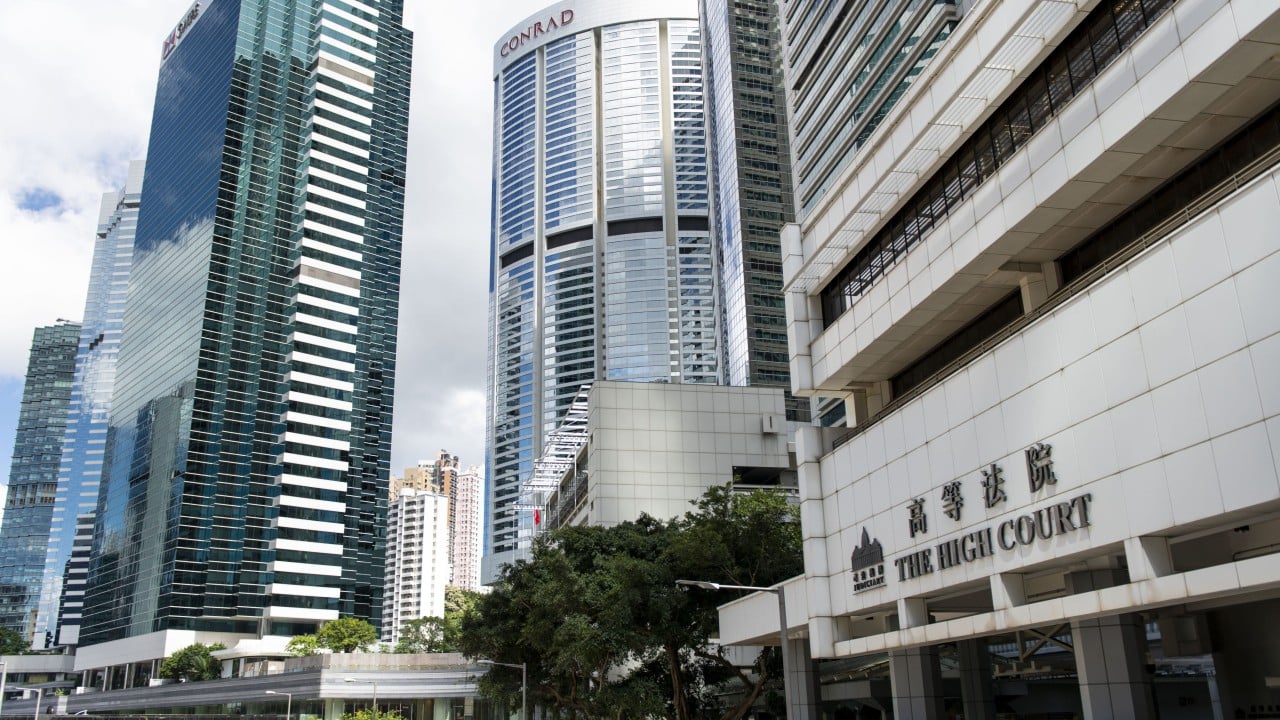
The corporate safety net just ripped wide open. In a Hong Kong courtroom, the liquidators of collapsed property giant China Evergrande Group officially raised the stakes to an astronomical level. They are demanding 57 billion yuan—roughly $8.4 billion—from PricewaterhouseCoopers.
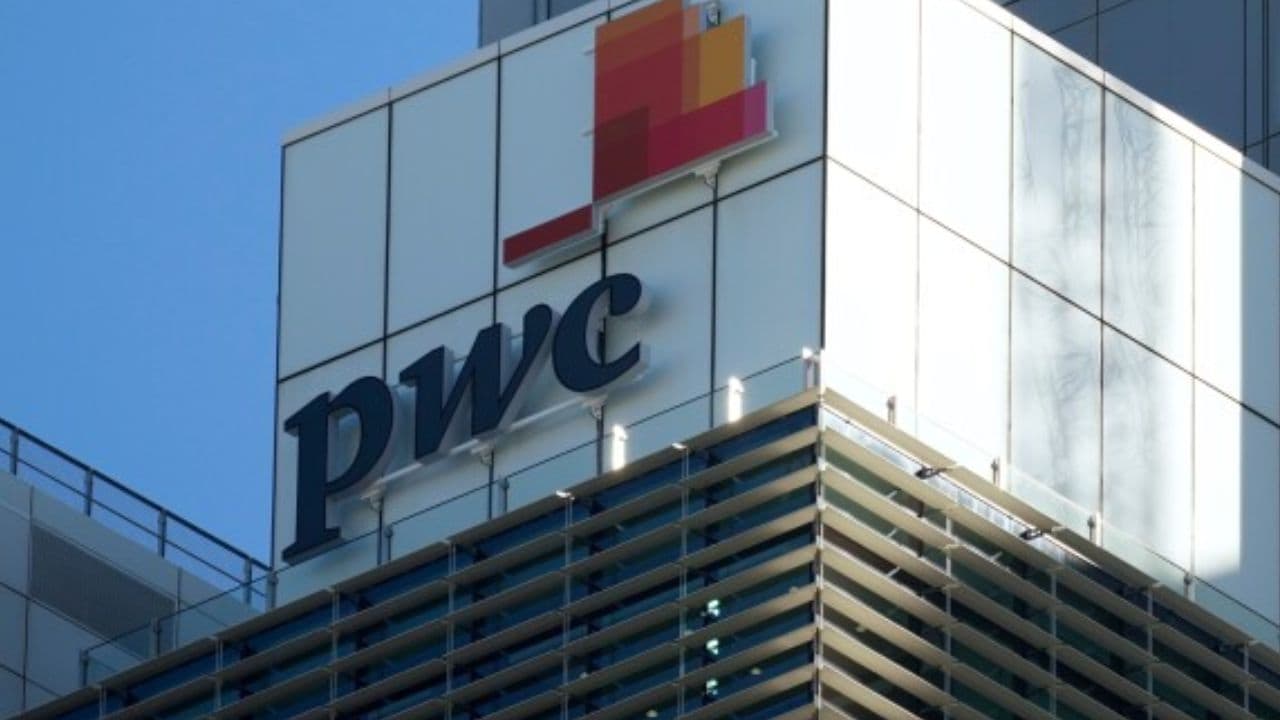
This isn't just another legal squabble over a bad audit. It's an existential battle for the accounting industry. For years, big audit firms hid behind complex corporate structures, shielding their global umbrella brands from the disasters of local offices. That shield is melting away. The liquidators are going straight after the main global entity, PwC International, alongside its mainland Chinese and Hong Kong affiliates.
If you think this is just a local problem in China real estate, you're missing the bigger picture. This lawsuit could reset how much liability global professional services firms carry when their clients cook the books.
The Auditing Nightmare Behind the Numbers
Edward Middleton and Tiffany Wong from the insolvency firm Alvarez & Marsal are the liquidators hunting down Evergrande’s missing assets. They face a monumental task. Evergrande crumbled under a mountain of debt, leaving behind liabilities that court-appointed liquidators now value at a staggering HK$350 billion. So far, the liquidators have managed to scrape together a modest $255 million.
To fill that massive hole, they are turning their sights on the gatekeeper that signed off on the numbers for years. The core of the lawsuit focuses on PwC’s audit reports for Evergrande's 2017 financial statements and the first half of 2018. The liquidators aren't pulling punches—the claims are built on allegations of gross negligence and misrepresentation.
The breakdown of the $8.4 billion claim shows exactly how the legal team is structuring the attack:
- 38 billion yuan ($5.6 billion): Claimed jointly against PwC International, the Hong Kong affiliate, and the mainland Chinese entity.
- 19 billion yuan ($2.8 billion): Claimed specifically against the local Hong Kong and mainland units.
By tying the global parent entity to the local disaster, the liquidators are trying to break the traditional legal firewall that protects multinational partnerships. PwC International is fighting back hard, trying to drop the claims against its umbrella entity by arguing it doesn't practice accountancy or provide direct services to clients. But if the Hong Kong court allows the global brand to remain on the hook, it sets a terrifying precedent for every other major accounting network on earth.
Regulators Already Took a Pound of Flesh
This courtroom drama follows a series of crushing regulatory defeats for PwC. The firm has already admitted its work fell well below expectations. Regulators on both sides of the border have spent the last two years proving that the firm didn't just miss a few red flags—it completely missed a massive, systemic fraud.
Mainland Chinese authorities dropped a hammer on the firm, issuing a 441 million yuan ($62 million) fine and enforcing a devastating six-month operational suspension on PwC Zhong Tian, the mainland arm. Regulators revealed that Evergrande had inflated its revenues by an unbelievable $80 billion across 2019 and 2020. Think about that scale. It makes classic corporate frauds like Enron look tiny.
The regulatory pain didn't stop in Beijing. In Hong Kong, the Securities and Futures Commission and the Accounting and Financial Reporting Council hit the firm with a combined HK$1.3 billion ($166 million) in fines and compensation payouts. In an unprecedented move, HK$1 billion of that settlement went straight into a fund to compensate minority shareholders who bought into Evergrande’s fabricated financial health.
To make matters worse, the scandal has turned criminal. Engagement partners and signing certified public accountants have been stripped of licenses and taken away by mainland authorities for criminal investigation. Even Evergrande’s founder, Hui Ka Yan, pleaded guilty to fraud and bribery.
What This Means for Global Corporate Governance
The real lesson here isn't that a massive developer went bust. It's that the system built to verify corporate health failed completely, and now the bill is coming due. Audit firms typically pay regulatory fines out of their internal reserves because standard professional indemnity insurance rarely covers intentional misconduct or massive regulatory penalties.
When a firm faces an $8.4 billion claim, internal reserves won't cut it. Partners might find themselves forced to return past payouts or contribute directly to legal settlements. We've already seen PwC's mainland business drop out of the top rankings as premium clients fled to safer rivals.
For corporate leaders and investors, this case completely changes the value of a clean audit report. If the world’s largest accounting firms can be successfully sued for billions over historical negligence, their survival is on the line. You can expect audit fees to skyrocket globally as firms price in this massive new liability risk. They will also become painfully strict with clients, demanding endless documentation to cover their own tracks.
Your Immediate Reality Check
If you sit on a corporate board, manage institutional investments, or rely on audited financials to make decisions, you can't ignore the fallout from this case. The days of treating an audit as a routine compliance checkbox are over.
- Review Your Audit Protection: Take a close look at the liability limits and indemnity clauses in your own corporate engagement letters. Don't assume your auditor's global brand protects you if a local office fails.
- Question the Aggressive Accounting: If your portfolio companies or your own finance teams are pushing the boundaries of early revenue recognition, stop them. Evergrande's $80 billion fraud started by recognizing property sales before projects were built.
- Diversify Professional Risks: Relying entirely on one giant firm for all global consulting and auditing needs exposes you to systemic contagion if that firm takes a direct hit like PwC is taking right now. Keep your options open.