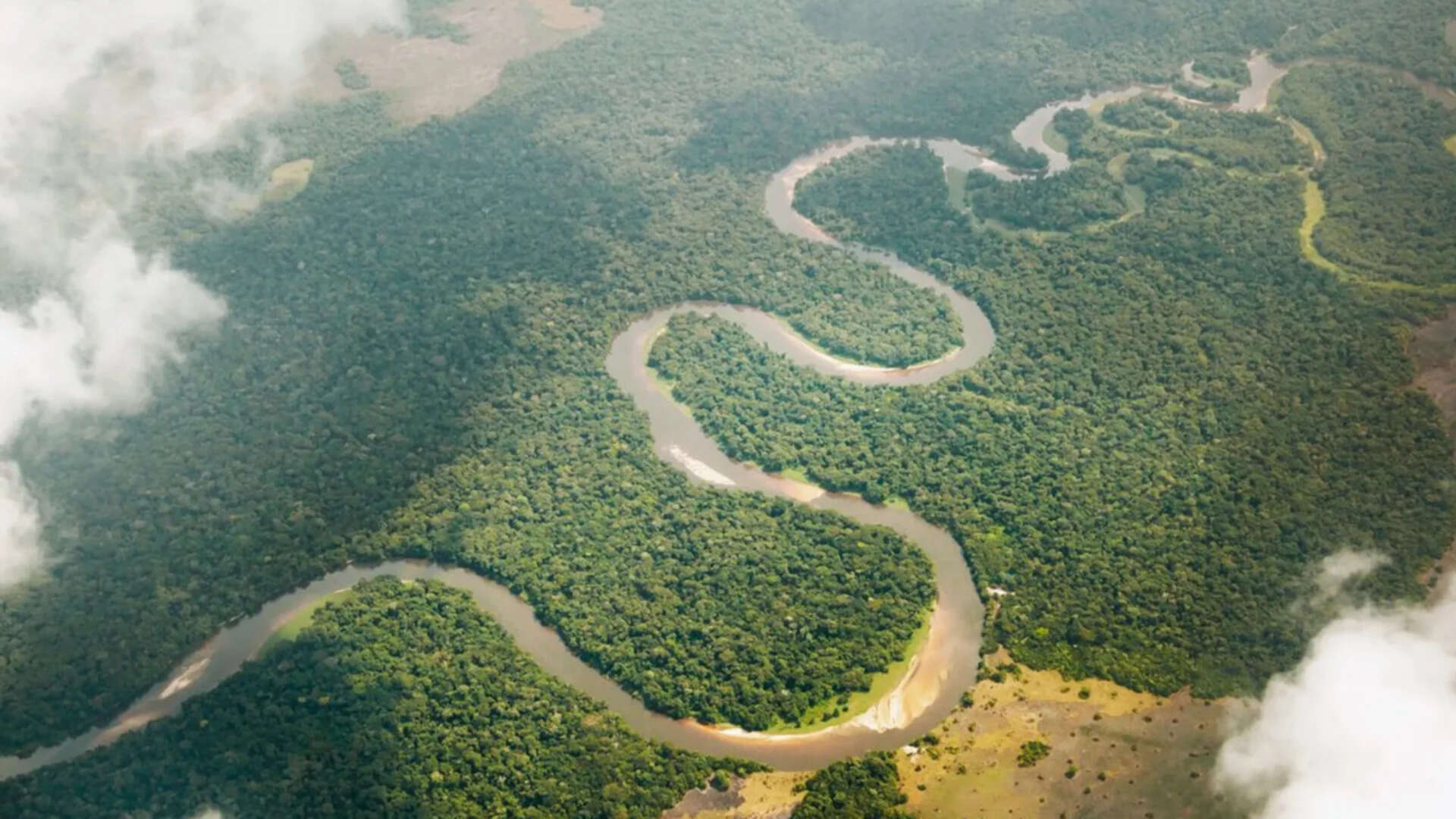
Every single second, the Congo River pours roughly 40,000 cubic meters of freshwater into the Atlantic Ocean. That is an absurd amount of water. It is enough to fill about 16 Olympic-sized swimming pools in the blink of an eye.
For a long time, scientists knew this massive influx of freshwater left a giant footprint in the ocean. What they did not fully grasp was exactly where all that water traveled, how it mixed with the salty Atlantic, and the profound ways it shapes our global climate system.
Oceanographers tracking this literal flood have mapped out the journey of the Congo River freshwater plume. The findings shatter old assumptions. It turns out this water does not just dissipate near the African coast. It journeys thousands of miles, altering ocean chemistry and affecting weather patterns far beyond the continent.
Tracking the Congo River Freshwater Plume Across the Atlantic Ocean
When you dump that much freshwater into the sea, it does not just disappear. Freshwater is less dense than saltwater. Because of this basic physics principle, the Congo's discharge forms a massive, buoyant layer that sits right on top of the ocean surface. Think of it as a giant, moving blanket of river water riding over the Atlantic.
Ocean scientists tracking the Congo River freshwater plume use a combination of satellite data and advanced ocean modeling to watch this system move. The path it takes is highly dependent on shifting seasonal winds and major ocean currents.
During certain times of the year, the powerful Benguela Current and local winds push this freshwater plume northwest, steering it right out into the open ocean. It stretches across the Atlantic like a giant highway. This creates a distinct biological corridor. The river water is absolutely packed with land-derived nutrients, organic matter, and iron. Marine life thrives along this path. Microscopic organisms feast on these nutrients, kicking off a massive food chain reaction out in the middle of the sea.
Why the Atlantic Ocean Chemistry is Shifting
The sheer volume of the Congo's output does something radical to the Atlantic Ocean. It creates a massive zone of low salinity. If you sailed through this plume hundreds of miles offshore, the surface water would taste noticeably less salty than typical ocean water.
This low-salinity layer acts as a barrier. It blocks the normal mixing that happens between the deep, cold, nutrient-rich ocean waters and the warm surface layers. This stratification changes how heat is stored in the ocean. When the surface layer remains isolated, it traps heat differently. This changes how the ocean interacts with the atmosphere.
Data from oceanographic research vessels shows that the plume directly alters regional sea surface temperatures. Because the ocean and the atmosphere are locked in a constant dance, these temperature shifts ripple upward. They change wind patterns and alter how moisture moves across the region.
The Microscopic Carbon Pump
One of the most critical aspects of this freshwater highway is how it handles carbon dioxide. The Congo River drains a massive, dense rainforest basin. It carries huge amounts of dissolved organic carbon into the sea.
When the nutrient-dense plume hits the sunlight of the open Atlantic, it triggers massive blooms of phytoplankton. These tiny organisms pull carbon dioxide out of the atmosphere through photosynthesis. When they die, they sink to the dark ocean floor, effectively locking that carbon away for centuries. The Congo River is not just dumping water; it is actively driving a massive, natural carbon sequestration engine in the middle of the Atlantic.
The Direct Link to West African Weather Patterns
If you think this is just an interesting quirk for marine biologists, you are missing the bigger picture. The trajectory of the Congo River freshwater plume directly influences monsoon seasons and rainfall patterns across West Africa.
Because the freshwater layer alters sea surface temperatures, it changes how much moisture evaporates into the air. This evaporation feeds the West African Monsoon system. When the plume shifts or changes in volume, it can alter where rains fall on land.
Farmers thousands of miles away from the mouth of the river rely on the rains regulated by this ocean-river relationship. A weaker river flow or a shift in ocean currents can mean the difference between a bountiful harvest and a devastating drought in the Sahel region.
How to Track Global Ocean Impacts
Understanding these massive river plumes requires looking at the data yourself. You can monitor how these massive freshwater systems interact with our oceans using open-source tools.
Start by exploring satellite salinity maps provided by NASA's Jet Propulsion Laboratory or the European Space Agency. These agencies track sea surface salinity from space, making the massive freshwater plumes of rivers like the Congo and the Amazon clearly visible as bright bands of low-salinity water cutting across the dark blue ocean.
Pay close attention to how these plumes expand and contract during different seasons. Correlate those shifts with regional weather reports. You will quickly see that what happens at the mouth of a river in Central Africa dictates the environmental reality of the entire Atlantic ecosystem.