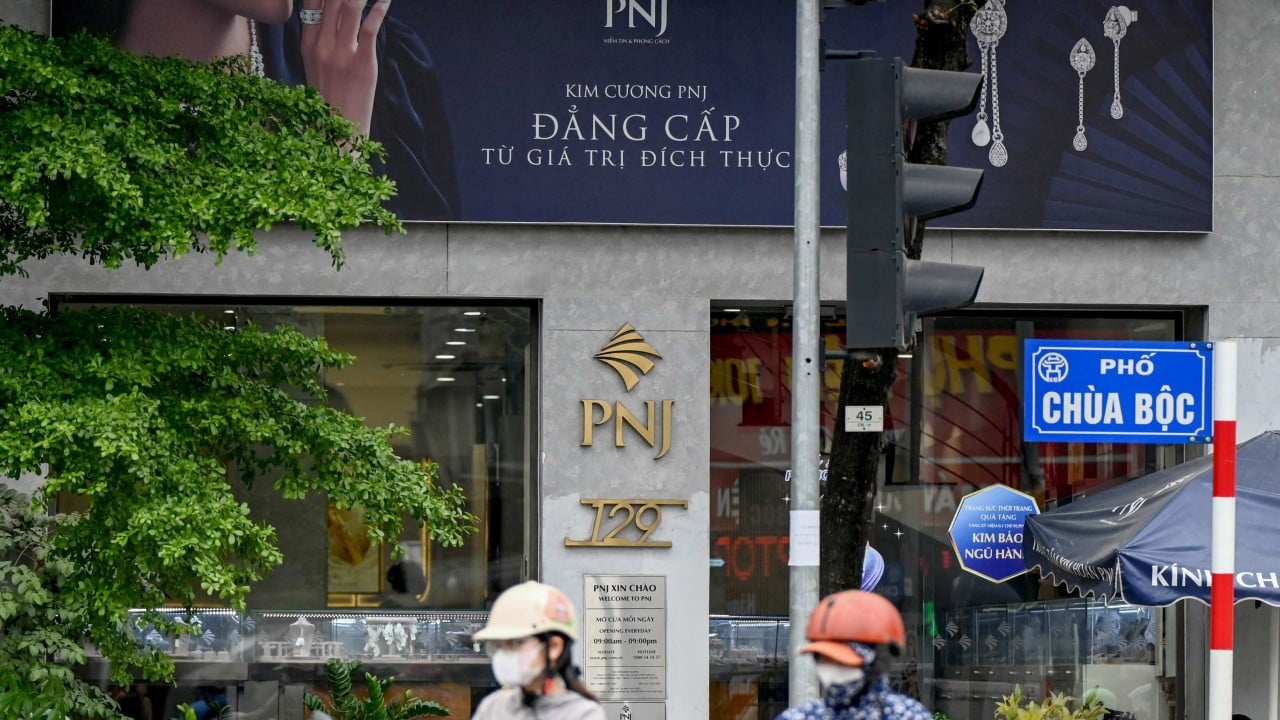
A string of high-profile police raids across Vietnam recently shattered the illusion that luxury retail is entirely clean. Investigators in Thanh Hoa Province, working alongside national security divisions, dismantled a massive transnational smuggling syndicate. Over 30 suspects have been indicted, including gold shop owners and the former head of a gem certification subsidiary belonging to Phu Nhuan Jewelry (PNJ), Vietnam's largest listed jeweler.
The operation moved over 28,000 smuggled diamonds worth tens of millions of dollars into the domestic market. For buyers who thought a certificate of authenticity meant absolute security, the fallout has been jarring.
Inside the Closed Loop Operation
Smuggling high-value gems isn't about hiding suitcases full of heavy rocks. It's about precision, digital secrecy, and exploiting weak links in global supply chains.
According to police disclosures, the syndicate was masterminded remotely by individuals based in Hong Kong and sourced primarily from India. The couriers didn't rely on flashy tactics. Instead, they tucked tiny gemstones inside personal luggage, shoes, and clothing items, walking right through major international airports like Tan Son Nhat and Noi Bai without filing customs declarations.
Communication stayed strictly partitioned. The network used encrypted messaging apps with auto-delete features enabled. Every participant handled only one isolated task, whether that meant transporting physical stones, managing local distribution, or handling cash.
To erase the financial paper trail, the network used an old-school trick with a modern twist. They used the serial numbers on physical US dollar bills as secret verification codes for transactions. No traditional bank wires. No suspicious corporate ledgers. Just cash handovers verified by currency serial digits.
The Certification Loophole
The most alarming part of the investigation isn't just that thousands of illegal stones entered the country. It's how easily they were washed clean.
Investigators arrested Dang Ngoc Thao, the former director of PNJ Laboratory, under accusations of falsely certifying unverified stones. The mechanics were straightforward yet devastating to market trust. Smuggled diamonds originating from India had their original laser inscriptions scrubbed off. Once the markers were gone, local facilities stamped them with domestic certification.
Suddenly, contraband worth a fraction of market value gained legitimate paper pedigrees. They flowed directly into domestic retail channels, undercutting honest competitors by up to a third and ending up in jewelry stores across Ho Chi Minh City.
When the arrests hit public view in July 2026, PNJ stock took an immediate hit, plunging over 25 percent. While corporate leadership quickly distanced the brand by framing the issue around individual legal liability, consumer confidence across the broader luxury market took a serious blow.
What This Means for Diamond Buyers
If you are purchasing high-value jewelry or loose diamonds in Southeast Asia, the rules of engagement have changed. Trusting a single lab report or a brand name is no longer enough.
Smugglers rely on consumer complacency. When buyers see a shiny certificate, they usually stop asking questions. You shouldn't.
- Demand complete chain-of-custody documentation beyond a single local lab grading card. International certificates from globally recognized bodies carry heavier independent verification standards.
- Be suspicious of steep discounts. If local gold shops or independent traders offer stones significantly below standard market value, assume the origin route involves tax avoidance or illicit channels.
- Check the physical laser inscription under magnification if possible, ensuring it matches the exact serial number logged on the official grading report.
The recent busts prove that modern supply chain enforcement is catching up to transnational gray markets. Buying luxury items requires looking past the storefront glass and understanding where those stones actually started their journey.