The Illusion of a Simple Hate Crime
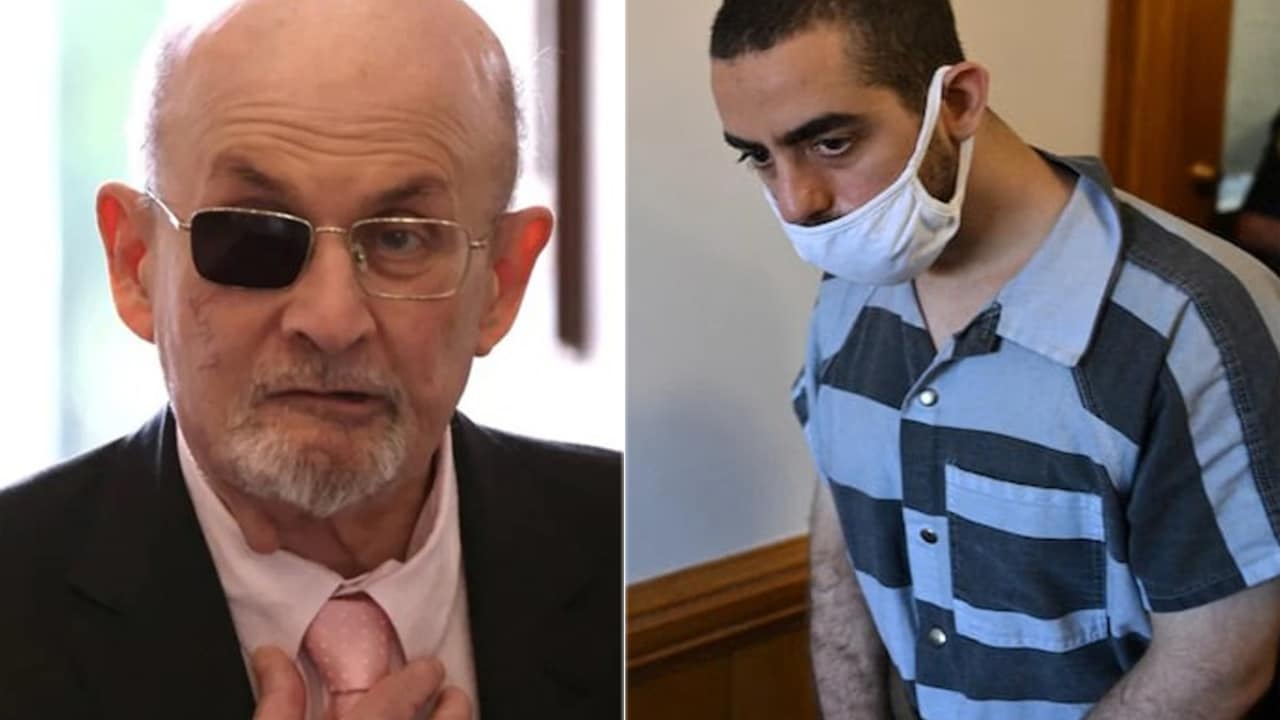
The standard media narrative surrounding the trial for the 2022 attack on Salman Rushdie is predictably reductive. Newsrooms across the globe have framed the proceedings as a straightforward legal resolution to a isolated act of fanaticism. They want a neat story: a fanatic acts, the justice system steps in, and free speech is symbolically vindicated in a courtroom.
That story is a comfortable lie.
By focusing entirely on the perpetrator and the mechanics of a single trial, traditional reporting completely ignores the broader, institutional failures that made the attack possible in the first place. Treating this event as a closed-loop criminal case misses the entire point. The real story is not just about one man with a blade; it is about how global cultural institutions silently surrendered to intimidation long before the first jury member was selected.
The Lazy Consensus of Legal Absolution
Coverage of high-profile court cases routinely falls into a specific trap. The press treats the courtroom as the ultimate battleground for grand societal values. They sell the idea that a guilty verdict equals victory for free expression.
It does not.
A conviction in a court of law provides legal accountability for an individual action, but it offers zero defense against the chilling effect that precedes it. When media outlets limit their analysis to trial updates, witness statements, and procedural delays, they pretend the systemic issue begins and ends with the defendant.
Consider the mechanics of self-censorship over the last three decades:
- Publishing houses quietly dropping controversial manuscripts to avoid public backlash.
- Academic institutions disinviting speakers under the guise of security concerns.
- Cultural venues scaling back security budgets while claiming to support open dialogue.
The trial addresses the physical violence of one individual. It leaves the institutional cowardice that enabled a hostile environment completely untouched.
Security Was Always an Afterthought
Let us look at the operational reality of the event itself. For decades, the threat level surrounding Rushdie was public knowledge. Yet, the security posture on the day of the attack resembled that of a local poetry reading rather than a high-risk event featuring a globally targeted author.
The narrative that this was an unpreventable tragedy falls apart under basic operational analysis.
"When access control is treated as optional, security is merely an illusion created to make organizers feel brave."
The event organizers failed to implement basic physical security protocols:
- No weapon screening at entry points.
- Zero bag checks for attendees in close proximity to the stage.
- Unrestricted access to the main platform.
Focusing exclusively on the legal trial conveniently absolves event organizers and institutions from their failure to protect the individuals they invite to speak. A court verdict does not fix broken threat-assessment protocols.
Dismantling the Common Misconceptions
When people follow coverage of this trial, they consistently ask the wrong questions. The public debate focuses on surface-level legal outcomes rather than structural realities.
Is the trial a win for free speech?
No. A criminal trial is an exercise in criminal justice, not an defense of free speech. The courtroom exists to evaluate whether a specific law was broken by a specific person. It does not measure the health of intellectual freedom, nor does it reverse the quiet, widespread self-censorship practiced by publishers and universities every single day.
Did the attack prove that political violence works?
Brutally, yes—if the measure of success is creating long-term apprehension. Every time an institution looks at a high-profile attack and responds by tightening content restrictions rather than upgrading physical security, the attacker wins. The legal outcome of the trial does not erase the message sent to every writer, journalist, and thinker: step out of line, and you are on your own.
The Price of Performative Solidarity
It is easy to print headlines expressing outrage after an attack occurs. It is hard to spend the capital, take the risk, and enforce the physical measures required to prevent one.
I have spent years observing how corporate and cultural entities handle high-risk talent. When the spotlight is on, executive boards issue statements celebrating courage and artistic liberty. But behind closed doors, the risk assessments tell a very different story. The moment security costs rise or insurance underwriters raise red flags, those same institutions quietly withdraw their support.
The hypocrisy is stark:
| Stage of Crisis | Institutional Response |
|---|---|
| Pre-Incident | Bare-minimum security, vague commitments to open debate, cost-cutting on risk management. |
| Incident | Shocked press releases, performative social media campaigns, public solidarity statements. |
| Post-Incident (Trial) | Total focus on the legal proceedings to divert attention from their own operational negligence. |
This pattern repeats predictably because the public allows media coverage to stop at the courtroom doors.
Real Defense Requires More Than Courtroom Drama
If society actually cared about preserving open dialogue, the focus would shift entirely away from the trial's daily courtroom updates and toward actionable security standards.
Relying on the judicial system to protect free inquiry is a failed strategy. The court system operates retroactively—it acts only after the blood has been spilled. True defense requires proactive, unyielding infrastructure.
Stop celebrating legal verdicts as victories for liberty. Start demanding that the organizations hosting high-risk voices spend the money, implement the security, and take on the actual risk required to keep them alive.