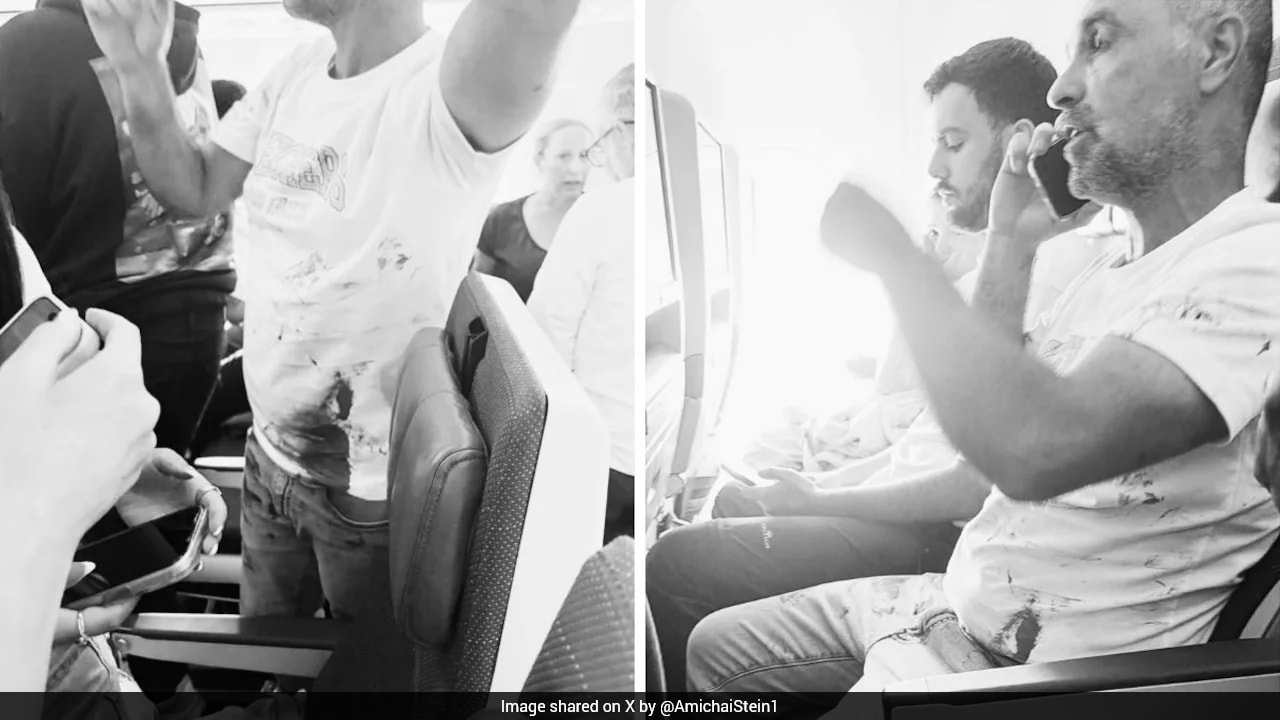
Every time a flight squawks an emergency code or a cockpit incident leaks to social media, the aviation commentariat loses its collective mind. They scramble to paint every scuffle, medical emergency, or communication glitch as a Hollywood thriller. When headlines screamed about a pilot being stabbed and a hijack signal on a flydubai flight, the predictable machinery of mass panic ground into gear. Speculation ran wild, armchair security experts pontificated on cabin hardening, and sensationalists milked the terror for every click it was worth.
It was a masterclass in reactionary theater. And almost every word of it missed the point of how modern commercial aviation actually operates under pressure. You might also find this connected article interesting: The Longest Descent When the Cabin Holds Its Breath.
I have spent years looking past the glossy airline PR statements and the breathless news ticker updates to study how systemic cockpit and cabin failures actually unfold. When you strip away the hysteria of the flydubai incident, you do not find an intricate terror plot or a systemic collapse of airline security. You find a chaotic human stress test governed by rigid protocols, flawed communication channels, and a public that expects absolute perfection from a complex mechanical and social ecosystem flying at thirty-eight thousand feet.
Stop treating every airborne anomaly as an existential crisis. The real story is not about the threat in the cabin; it is about how our desperate need for sensationalism distorts the reality of how safety systems save us from ourselves. As reported in detailed reports by Condé Nast Traveler, the results are significant.
The Lazy Consensus of Cabin Terror
The mainstream narrative surrounding high-altitude emergencies relies on a tired, cinematic formula. Someone loses control, a code is punched into the transponder, and passengers brace for impact while brave air marshals or crew members save the day. This lazy consensus assumes that a rogue element can easily breach the physical and operational barriers of a modern airliner.
It is a comforting narrative for Hollywood, but it is utter nonsense in practice.
Let us look at the mechanics of the emergency transponder code, specifically the infamous code 7500. To the layperson, seeing reports of a hijack signal triggers immediate visions of hijacked airliners and locked flight deck doors. The reality is far more mundane and operationally nuanced. Transponder codes are blunt instruments. They are three-digit inputs designed to convey a massive amount of information to air traffic control in fractions of a second, often under conditions of extreme cognitive load.
When a pilot or crew member initiates an emergency signal, they are working within a strict triage protocol. They are not broadcasting a polished press release to the ground; they are signaling a state of operational aberration that requires immediate priority clearance, specialized ground intervention, and absolute airspace isolation.
The lazy consensus assumes that an emergency signal means the system has failed. The contrarian truth is the exact opposite: an emergency signal is proof that the system is working precisely as designed. It means the crew recognized an abnormal situation—whether medical, interpersonal, or mechanical—and escalated it immediately to protect the aircraft, ignoring the panic it might cause down below.
Dissecting the Flydubai Incident
To understand why the public reaction to the flydubai event was so fundamentally flawed, we have to examine what actually happens when a cabin disturbance escalates into a cockpit-level priority.
Commercial flight decks are fortified zones. Since the structural overhauls of security protocols in the early 2000s, breaching a reinforced cockpit door from the cabin is practically impossible through brute force alone. This physical reality completely changes the risk profile of any in-flight altercation. If a scuffle breaks out in the galley or the seating rows, the primary threat is not the takeover of the aircraft; it is the distraction and psychological strain placed on the flight crew, who must manage a localized crisis while keeping a multi-ton aluminum tube flying straight and level.
When reports surfaced regarding an alleged assault involving a flight crew member, the media immediately conflated a localized interpersonal breakdown with a catastrophic security breach. That is a dangerous false equivalence.
Imagine a scenario where a passenger experiences a severe mental health crisis, or a volatile dispute breaks out between crew and passenger in the cramped confines of a narrow-body or wide-body cabin. The physical space is claustrophobic. Tempers flare. Adrenaline spikes. In those high-stress environments, minor physical altercations can occur.
Yet, treating a cabin altercation or a crew medical emergency as a sign of lax airport security is like blaming highway guardrails for a reckless driver. Flydubai, like any major international carrier, operates under stringent International Civil Aviation Organization guidelines. Their security audits are rigorous, their crew resource management training is mandatory, and their escalation procedures leave very little room for improvisation.
When a pilot or crew member is injured or incapacitated, the remaining crew does not panic; they execute pre-planned contingencies. The decision to squawk an emergency code is an administrative and tactical maneuver to clear the runway, alert ground security forces at the destination airport, and ensure that armed law enforcement is waiting at the gate the moment the tires touch the tarmac.
The panic in the media stems from a profound misunderstanding of this operational cadence. Observers see an emergency signal and an injured crew member and assume chaos. Inside the flight deck and across the air traffic control network, however, it is cold, calculated triage.
The Real Vulnerability: Communications and Panic
If the physical security of the aircraft is not the weak link, where does the real danger lie? It lies in the weaponization of real-time information and the psychological fragility of the flying public.
We live in an era where passengers film altercations on their phones, connect to inflight Wi-Fi, and broadcast unverified rumors to millions of people before the landing gear has even been lowered. This creates a terrifying feedback loop. A localized dispute in row twenty-four gets distorted into a "hijack situation" by someone three rows back who caught ten seconds of a shouting match and posted it online for clout.
Airlines and aviation authorities are terrible at managing this information vacuum. Their instinct is always to clam up, issue vague corporate statements, and wait for the news cycle to blow over. That silence is toxic. It allows conspiracy theorists and sensationalist outlets to fill the void with fabrications about lax security protocols and rogue pilots.
To fix this, the aviation industry needs a radical overhaul of how it communicates during minor in-flight emergencies. Hiding behind bureaucratic boilerplate only fuels public paranoia. When an incident occurs, authorities need to release rapid, transparent, and accurate context. They need to demystify terms like emergency squawk codes so that the public understands that these are routine safety tools, not panic buttons.
Furthermore, we need to stop coddling passengers who escalate minor disputes into major safety hazards. The rise in unruly passenger behavior is the single most significant preventable threat to modern aviation. When airlines fail to issue lifetime bans and push for maximum criminal prosecution for anyone who physically threatens a crew member, they send a dangerous signal that the cabin is a lawless zone.
The Cost of Overreaction
There is a hidden cost to this constant hysteria: regulatory overreach and operational bloat.
Every time a sensationalized incident dominates the news cycle, politicians and regulators feel pressured to "do something." They introduce reactive mandates, new layers of security theater, and cumbersome compliance checks that do nothing to improve actual safety. They add friction to an already strained global travel network, all to appease a public that has been frightened by sensationalist headlines.
True aviation safety is not achieved by adding more security theater at the boarding gate. It is achieved through boring, rigorous engineering, relentless crew training, and an unwavering commitment to operational discipline.
The flydubai incident was a stark reminder of the pressures faced by aviation professionals every single day. They deal with volatile human behavior, mechanical complexities, and the crushing weight of responsibility for hundreds of lives at thirty-thousand feet. They do not need a panicking public second-guessing their every move from the comfort of a living room couch.
Next time an aviation scare dominates your feed, take a breath. Look past the buzzwords and the dramatic headlines. Remember that the system is designed to absorb human error, manage conflict, and bring the plane down safely, no matter how loud the noise gets on the way down.
The sky is not falling. The system is working. Stop letting the panic merchants convince you otherwise.