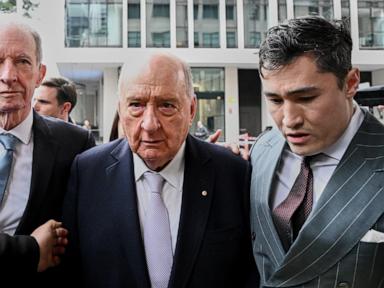
The public loves a good execution. Especially when the scaffold is built out of decades-old headlines and institutional panic.
When high-profile figures like veteran broadcaster Alan Jones land in the dock facing historical charges, the media ecosystem shifts into a predictable, Pavlovian gear. The lazy consensus writes itself: power corrupts, absolute power corrupts absolutely, and the untouchable titan has finally met his moral reckoning. Cue the think pieces. Cue the solemn retrospectives on the toxic nature of unchecked influence.
It is a comforting narrative. It wraps complex societal anxieties into a neat, digestible morality play where the villain gets unmasked and the system works.
Except it replaces deep structural analysis with cheap theater.
The Architecture Of Institutional Amnesia
Let us look past the sensationalism and examine how cultural power actually operates. For decades, the media establishment treated figures like Jones as infallible oracles when ratings were high, only to act completely blindsided when the winds shifted. This is the great game of modern media: build giants out of clay, profit from their polarization, and then monetize their destruction with equal fervor.
When an 83-year-old man with a footprint spanning Australian rugby, prime ministerial speechwriting, and breakfast radio faces trial, the lazy narrative wants you to focus exclusively on the individual aberration. It frames the situation as a solitary bad actor hiding in plain sight.
That perspective lets the enablers off the hook.
Power does not exist in a vacuum. It requires an audience, a network of corporate incentives, and an ecosystem that tolerates boundary-pushing behavior as long as the commercial returns justify the risk. For generations, institutions across media and sports didn't just tolerate aggressive, domineering personalities; they weaponized them. They rewarded abrasiveness because it drove advertising dollars and manufactured cultural compliance.
The Danger Of Retroactive Purity
We live in an era obsessed with retroactive moral purity. The moment a figure falls, cultural commentators rush to rewrite history, pretending the warning signs were blindingly obvious to everyone, all along.
That is revisionist fiction.
I have watched organizations spend millions on compliance theater while actively shielding top performers who brought in revenue. The uncomfortable truth that nobody in the mainstream commentary wants to touch is that the public enjoys the products of unchecked ego until the bill comes due. We loved the firebrand shock jock and the ruthless coach when their methods yielded wins and ratings.
Pretending that society was always opposed to these dynamics is a comforting illusion. It allows consumers of media and sports to cleanse their own hands of the ecosystem they funded with every click, view, and rating point.
The Real Question We Are Avoiding
The media wants you to ask: "How could someone so powerful evade scrutiny for so long?"
That is the wrong question. It assumes the system is designed to police power when it is actually designed to protect it until public relations math dictates otherwise.
The question you should be asking is: "What current cultural and industrial gods are we feeding right now because they generate the metrics we crave?"
Stop treating high-profile trials as moral fairy tales where evil is vanquished and justice automatically rebalances the universe. They are diagnostic snapshots of an industry that worships influence, exploits vulnerability, and sacrifices its own guardrails for the sake of the spotlight.
The trial will pass. The headlines will fade. The underlying machinery that manufactures untouchable figures and protects them until they are no longer useful will remain fully intact, already searching for the next loud voice to amplify.