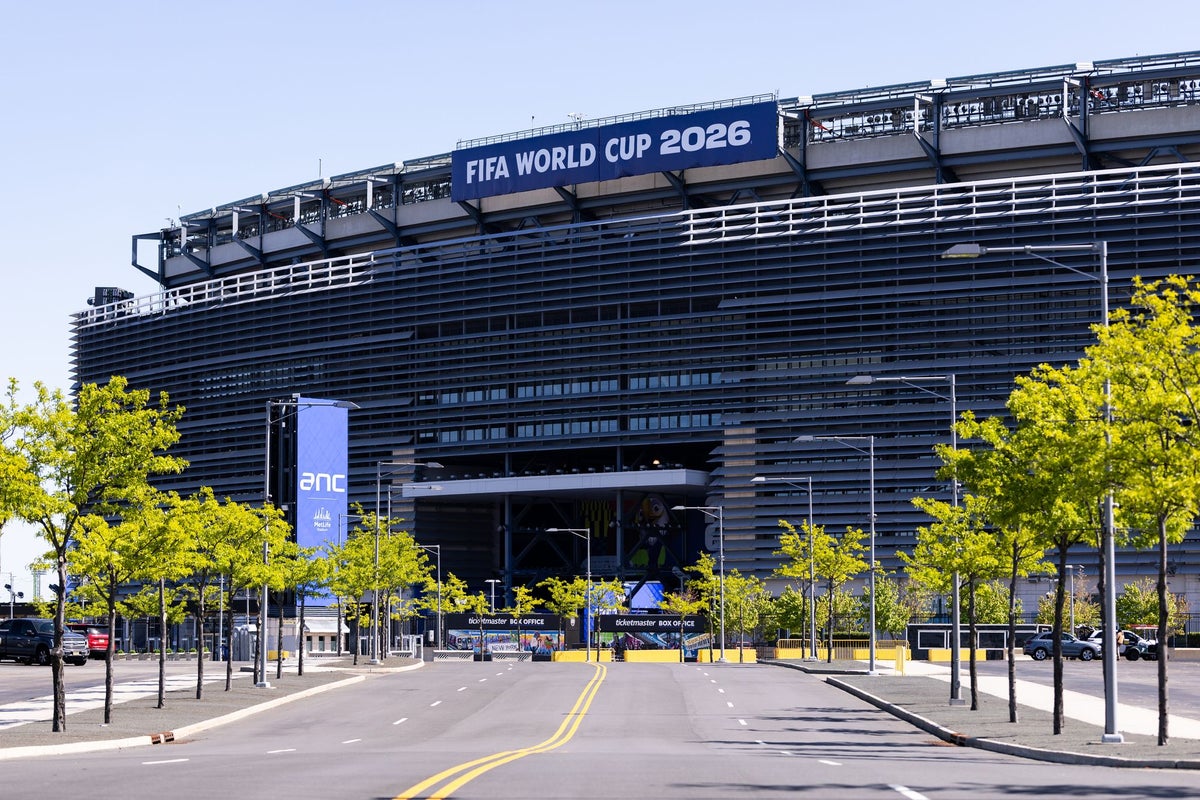
Opening matches at a World Cup are notoriously ugly affairs. The weight of expectation paralyzes favorites, while underdogs play with the frenetic energy of teams with absolutely nothing to lose. When Mexico stepped onto the pitch against South Africa, they weren't just playing a ninety-minute football match. They were fighting a historical trend of opening-day stumbles and trying to dismantle a highly disciplined, deeply physical defensive block.
Raul Jimenez and Julian Quinones ultimately found the net to secure a vital victory for El Tri. But reducing this match to a simple scoreboard narrative misses the tactical warfare that occurred on the pitch. Mexico did not just win through superior talent. They won because their coaching staff systematically picked apart South Africa’s defensive shape after a grueling, frustrating first half.
This victory alters the trajectory of Mexico's tournament. It also offers a masterclass in how to break down an opponent designed specifically to extract a scoreless draw.
The First Half Frustration
South Africa deployed a low block that was brutally effective for the first forty-five minutes. They squeezed the space between their defensive line and midfield, leaving Mexico’s creative players with nowhere to turn.
Every time El Tri tried to play through the center, they ran into a wall of green shirts. The frustration was visible. Passes grew hurried. Touches turned heavy. Mexico was controlling nearly seventy percent of the possession, yet they were generating almost nothing in terms of high-quality chances.
This is the trap of modern international football. Possession without penetration is an illusion of control. South Africa wanted Mexico to pass the ball sideways across the backline. It kept the ball far away from their own penalty area and allowed them to bide their time, waiting for a misplaced pass to launch a devastating counter-attack.
The Tactical Shift That Changed Everything
The match swung on a subtle but vital adjustment made during the halftime interval. Mexico stopped trying to force the ball through the congested middle of the pitch and began stretching the play to the absolute limits of the touchline.
By forcing South Africa's fullbacks to step out and cover the wide areas, gaps finally began to appear in the channels between the center-backs. It was a classic example of using width to create depth.
South African Defensive Block (First Half vs. Second Half)

First Half (Compact & Narrow):
   [CB]  [CB]  [CB]     <- Squeezed central space
     [CM]  [CM]         <- Locked down the middle

Second Half (Stretched by Mexico's Wide Play):
[LB]....[CB]    [CB]....[RB]  <- Gaps open in channels
          ^       ^
          [Exploited by Jimenez & Quinones]
Raul Jimenez and the Art of the Dirty Goal
Raul Jimenez does not get the credit he deserves for his work rate off the ball. His goal was not a highlight-reel volley or a thirty-yard strike, but it was a tactical masterpiece of anticipation.
As Mexico circulated the ball on the left flank, Jimenez did not just stand in the box waiting for a cross. He actively dragged his marker out of position, feigning a run to the near post before checking back into the space he had just vacated. When the delivery arrived, he had the pocket of air he needed to guide the ball home.
It was a veteran goal by a striker who understands that space in the penalty box is not given; it must be manufactured.
Julian Quinones Provides the Knockout Blow
If Jimenez's goal was about patience and positioning, Julian Quinones’ strike was pure, unadulterated power. Coming off the wing, Quinones exploited the exhaustion that had begun to creep into the South African backline.
Throughout the second half, Quinones unselfishly tracked back, defended, and made decoy runs. When his moment came in the final third, he possessed the physical superiority to hold off his defender, cut inside on his favored right foot, and smash the ball past the helpless goalkeeper.
His performance proved that modern wingers cannot just be tricksters on the ball. They must be athletes capable of punishing tired opponents late in games.
The Group Stage Implications
Three points in the opening match completely changes how a manager approaches the rest of the group stage. Mexico now possesses the luxury of tactical flexibility. They do not need to chase games with reckless abandon, which makes them an incredibly dangerous counter-attacking threat for their upcoming opponents.
For South Africa, the road becomes incredibly steep. Their defensive game plan worked perfectly for an hour, but international football is cruel to teams that cannot sustain focus for the full ninety minutes. They must now find a way to generate offense in their next matches, a task that will force them out of their comfortable defensive shell.
Mexico proved they have the tactical maturity to match their undeniable skill. The tournament is long, and far tougher tests await El Tri, but they have laid down a marker that the rest of the field would be foolish to ignore.