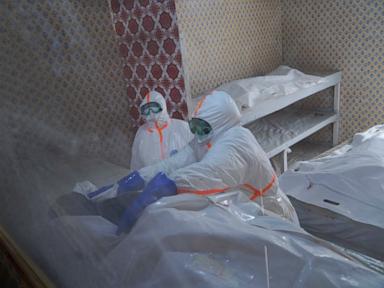
Two people just died in Michigan from a parasite most folks can't even pronounce. Let that sink in.
We usually brush off foodborne illness alerts as minor stomach bugs that clear out after a day or two on the couch. But the Michigan Department of Health and Human Services changed that narrative when they confirmed the nation's first two fatalities linked to the massive ongoing cyclosporiasis outbreak. With over 11,200 reported cases in the state alone, this isn't just a minor inconvenience. It's a wake-up call about what's actually hiding in our fresh produce.
If you have been wondering how a simple salad green turned deadly, you are not alone. Let's break down what is happening, why this parasite is so brutal, and what you actually need to do to protect yourself.
What is Cyclospora and Why Is It Spreading So Fast
Cyclosporiasis is an intestinal infection caused by Cyclospora cayetanensis, a microscopic single-celled parasite. You don't catch it from a coworker or a dirty door handle. You get it by swallowing something—usually food or water—that has been contaminated with feces. Gross? Absolutely.
The primary culprit in this current multi-state wave has been traced to iceberg lettuce sourced from central Mexico and distributed by Taylor Farms, which ended up on plates at major restaurant chains like Taco Bell. While Taco Bell pulled the affected lettuce from its supply chain weeks ago, the case numbers keep climbing because of the cruel timeline of the illness.
It takes about a week—sometimes up to two weeks—for symptoms to show up after you eat contaminated food. By the time you feel sick, the meal you blame is a distant memory.
The Reality Behind the Michigan Deaths
Public health officials were quick to point out that cyclosporiasis is rarely fatal in the United States. Most healthy people fight it off, even if it leaves them miserable for weeks. So why did two people die in Michigan?
State health records show that both individuals had significant underlying health conditions. When a microscopic parasite attacks your small intestine, it triggers severe, watery, and frequent diarrhea. That relentless fluid loss leads straight to severe dehydration. For elderly individuals or people with compromised immune systems, rapid dehydration acts like a domino effect, crashing organs that were already hanging on by a thread.
Michigan isn't the only place feeling the heat. The Centers for Disease Control and Prevention reports thousands of laboratory-confirmed cases nationwide across dozens of states, with adults in their thirties currently bearing the heaviest burden of infections.
Why Standard Kitchen Habits Fail Against Cyclospora
Most people think a quick rinse under the kitchen faucet makes their vegetables safe. Honestly? That is a dangerous myth.
Cyclospora is remarkably tough. Standard cold water rinses and routine surface washes often fail to dislodge or kill the parasite, especially when it clings to the rough, bumpy surfaces of fresh produce like raspberries, cilantro, basil, or shredded lettuce leaves.
If you think organic labeling protects you, think again. Organic produce relies on natural fertilizers and water sources that can still harbor environmental pathogens if upstream contamination occurs.
Practical Steps to Keep Yourself Safe
You don't have to swear off fresh vegetables forever, but you do need to change your routine.
- Skip pre-bagged convenience when outbreaks peak: If a salad kit or pre-shredded lettuce blend is tied to an active advisory, throw it out immediately. Do not test your luck.
- Cook high-risk produce: Heat is your best defense. Cooking fresh produce to at least 158 degrees Fahrenheit effectively kills the parasite. If you are worried about herbs like cilantro or basil, use them in cooked dishes rather than raw garnishes.
- Watch your symptoms closely: If you experience explosive diarrhea, cramping, bloating, low-grade fever, and extreme fatigue that lasts for days, go see a doctor.
- Demand specific testing: Standard routine stool tests ordered by a general practitioner do not always screen for parasites. You may need to explicitly ask your healthcare provider to test specifically for Cyclospora.
Antibiotic treatments like trimethoprim-sulfamethoxazole can clear the infection up quickly, but you have to get the right diagnosis first. Stop waiting for stomach issues to resolve on their own if they linger past a week, and keep a close eye on vulnerable family members who cannot afford sudden, severe dehydration.