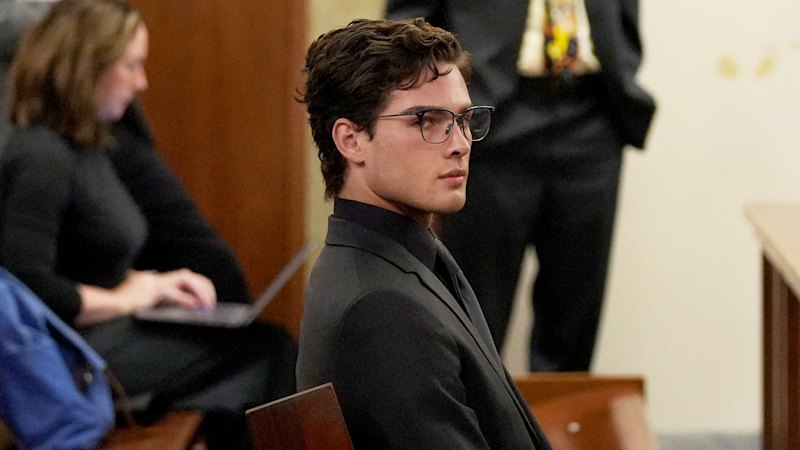
A 17-year-old male was arrested and charged with murder and weapon possession in connection with the fatal shooting of 26-year-old Darrel Rodriguez on the northbound platform of the Seventh Avenue–53rd Street subway station in Midtown Manhattan. The shooting occurred just before 12:30 p.m. on a Saturday in mid-October 2026 during an argument involving Rodriguez, the teenager, and a third person. Five days later, the teen surrendered following a police manhunt and photos released by the NYPD.
Routine crime briefs treat a case like this as a closed loop. Suspect identified, arrest made, charges filed, trains rerouted, statement issued.
After covering transit systems and public safety policy for decades, I have learned that the arrest is rarely the end of the story. It is usually the moment when the structural cracks in a sprawling underground network become impossible to ignore. A midday argument on a crowded Midtown platform turning lethal raises harder questions than a single arrest blotter can answer. How does a firearm end up on a busy uptown platform on a weekend afternoon? Why do flashpoint disputes escalate to gunfire in confined underground spaces? And what do shifting homicide counts and policy proposals actually mean for riders stepping onto the platform tomorrow morning?
How a Platform Dispute Turns Fatal Underground
Subway platforms are strange environments. They compress thousands of strangers into narrow concrete corridors with nowhere to step back and no quick exit if tension spikes.
According to NYPD accounts and investigative reporting, Rodriguez—a 26-year-old man from the Bronx—was shot in the chest shortly before 12:30 p.m. at the Seventh Avenue station near West 53rd Street following an argument on the northbound platform. Investigators indicated that the victim and the 17-year-old suspect did not know each other, and a third person was involved in the dispute before the gunfire erupted. Paramedics rushed Rodriguez to Bellevue Hospital in critical condition, where he was pronounced dead. The teen fled north on Seventh Avenue on foot before turning himself in five days later.
When strangers collide in tight quarters, minor friction can snowball fast. Add a firearm to an impulsive argument, and there is no margin for error.
From an operational standpoint, a midday shooting at a major Midtown hub also ripples far beyond the immediate crime scene. Trains are held, bypassed, or rerouted, disrupting commuters across lines while detectives canvas cameras, interview witnesses, and piece together movements before and after the shots were fired. A single violent act on one platform degrades reliability for tens of thousands of people who never heard a shot.
Reading the Subway Crime Numbers Without Distortion
Whenever a high-profile shooting hits the news, numbers get pulled in ten directions at once. Context matters more than raw headlines.
NYPD figures cited following the arrest showed seven murders in the subway system for the year up to that point, compared with four at the same stage in 2025. Across a system carrying millions of rides, seven homicides is statistically small in pure percentage terms. Yet for daily riders, a murder underground carries an emotional weight out of proportion to raw math because an enclosed tunnel removes the sense of escape people feel on a wide avenue.
Both sides of the public debate often misuse crime statistics. Critics point to an increase from four to seven as proof that disorder is spiraling out of control. Defenders note that millions of trips happen safely every week and point to broader enforcement efforts. Both claims miss the practical reality for commuters: confidence is fragile, and one fatal midday incident in Midtown can undo months of perceived progress in the mind of a regular rider.
Mayor Zohran Mamdani acknowledged both realities after the shooting, pointing to strides made in subway safety while calling the killing a painful reminder of ongoing gun violence. MTA Chair and CEO Janno Lieber praised NYPD detectives for securing the arrest and placed the next burden on prosecutors and the courts. That division of responsibility—police investigate and arrest, prosecutors and courts adjudicate, transit officials manage operations—is real, yet riders experience the system as one single promise of safe passage.
| System Dimension | What the Incident Highlights | Practical Limitation or Friction |
|---|---|---|
| Platform Environment | Confined spaces amplify face-to-face conflict among strangers | Limited physical buffer when disputes escalate quickly |
| Investigation & Arrest | Camera footage and public appeals help track suspects | Five-day window between shooting and surrender |
| Transit Operations | Reroutes and delays follow major police investigations | Immediate disruption for riders far from the scene |
| Policy & Legal Response | Renewed push for weapon bans and mask rules | Enforcement challenges across open-access stations |
Why Quick-Fix Proposals Face Real-World Hurdles
High-profile violence almost always triggers a wave of proposed rules. Some sound straightforward on paper and prove far messier in practice.
Following the Midtown shooting, transit advocates urged banning face coverings in the subway system, suggesting riders should pull down masks at OMNY fare points and on platforms. Meanwhile, the MTA voiced support for state legislative efforts to prohibit concealed firearms across subway stations, subway cars, and buses.
A mask rule aims at identification and deterrence. If cameras and officers can see faces clearly, the logic goes, fewer people will risk brazen acts or evade early recognition. Yet any blanket face-covering rule runs straight into practical enforcement questions: how do overstretched personnel consistently enforce it during rush hour without sparking dozens of secondary confrontations, and what happens with legitimate health or weather reasons? A rule that exists mostly on signage changes very little behavior.
Concealed-carry restrictions in transit spaces target a different piece of the puzzle—trying to keep guns out of enclosed vehicles and stations altogether. Still, laws alone do not pat down every bag at every turnstile in a massive, multi-entry system. Without consistent deterrence, youth intervention, and follow-through in the courts, statutes by themselves cannot stop a determined teenager carrying an illegal weapon onto a platform.
The Youth Justice and Deterrence Gap
Charged as a murder suspect at 17, the accused teenager sits right at the fault line where juvenile rehabilitation and adult accountability collide. When a 17-year-old is accused of taking a life during a dispute with a stranger, the legal system faces heavy scrutiny from both directions—those demanding maximum sentences for lethal violence and those warning that harsher penalties alone fail to address why teens carry guns in the first place.
In my years watching urban crime policy swing back and forth, one lesson holds steady: slogans rarely survive contact with street reality. Tough rhetoric feels satisfying right after a tragedy, and lenient theories sound humane in policy papers, yet neither works if basic accountability is slow or inconsistent.
What Riders and Policymakers Should Watch Next
Accountability in a case like Darrel Rodriguez's killing does not end with an arrest announcement. It plays out in court filings, evidentiary hearings, and long-term safety operations across the system.
For daily riders, a few practical habits still make sense without turning every commute into a siege:
- Stay aware of platform dynamics: Keep clear of active arguments or volatile groups, especially near the platform edge or isolated corners where space is tight.
- Move cars or platform zones early: If tension builds as a train pulls in, stepping into a different car or moving toward station staff or visible cameras is a simple, low-cost precaution.
- Use official reporting channels: Report suspicious behavior or safety hazards promptly through transit police channels or station personnel rather than engaging directly.
For policymakers and transit leaders, the real test is whether attention lasts past the next news cycle. Fixing subway safety takes steady coordination between police, prosecutors, courts, and transit operators—and honest answers about what works underground.