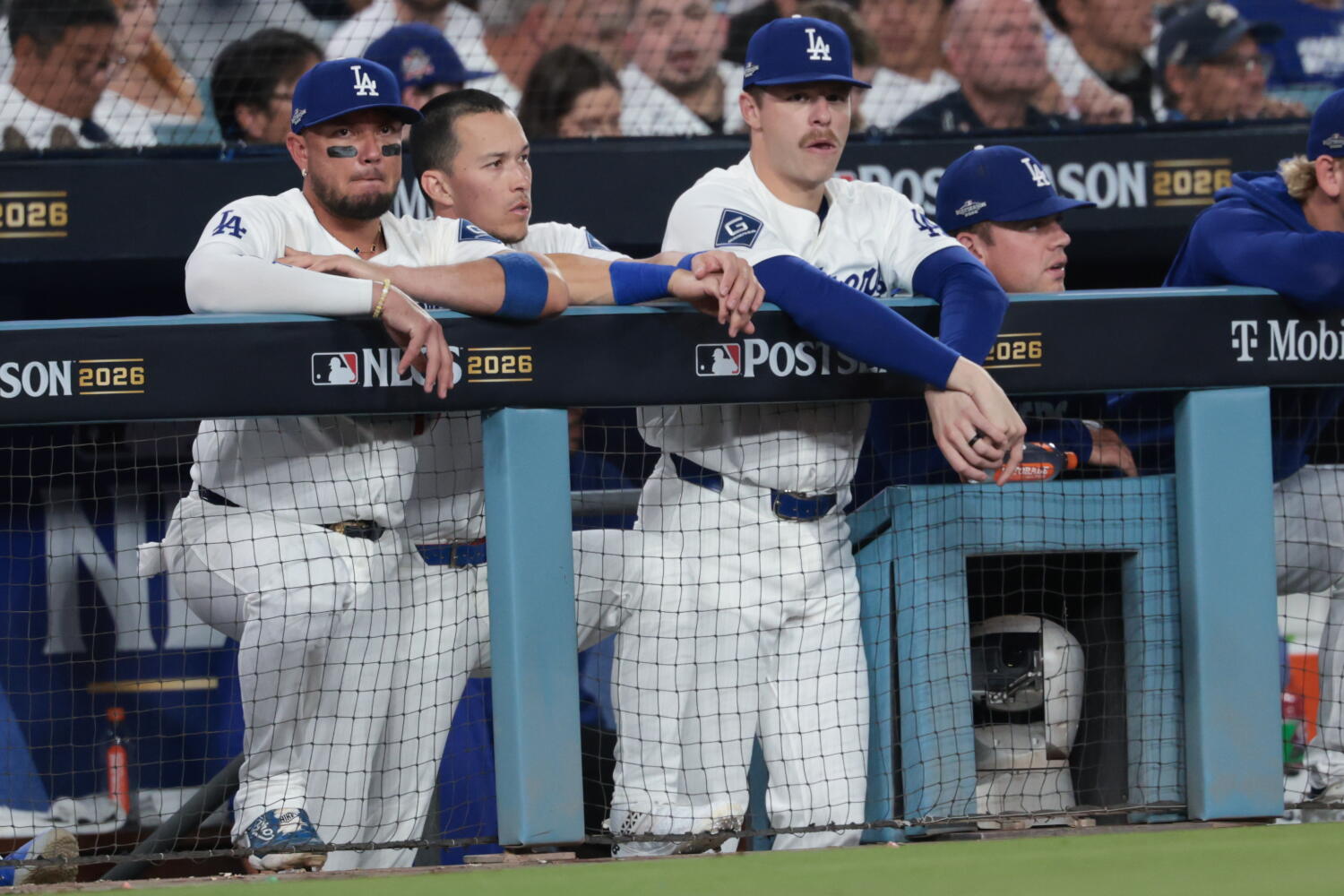
Miguel Rojas didn't get a walk-off hit or a champagne shower to close out his Major League Baseball career. Instead, he got a 6-4 loss in Game 4 of the 2026 National League Championship Series against the Milwaukee Brewers on October 15, 2026, without even recording an official at-bat in his final big-league appearance.
That sounds anticlimactic on paper. Honestly, though, it fits Miguel Rojas to a tee.
For thirteen MLB seasons—and twenty-one years of professional baseball across the minors, winter ball, and the big leagues—Rojas built his reputation on the unglamorous stuff. He wasn't a perennial All-Star slugger. He was the guy calling out positioning shifts, calming down a rattled pitching staff, mentoring younger infielders, and making a routine play look effortless when the stakes climbed. When Milwaukee swapped out left-hander Shane Drohan for right-hander Dustin May and Max Muncy pinch-hit for Rojas before his spot came up, the 37-year-old's final big-league night ended with quiet finality rather than Hollywood fireworks. Inside the clubhouse afterward, he made it plain: "This is it as a player."
What Really Happened on That Final Night in October
People searching for news about Miguel Rojas retiring after the Dodgers' NLCS loss usually want three things right away. Did he actually retire for good? How did his final game play out? What is he doing next?
The short answer is yes, he is done playing—and he has already begun turning the page. Rojas had entered the 2026 season signaling that it would be his swan song in MLB. After the 6-4 defeat to the Brewers ended Los Angeles's bid for a third consecutive World Series title, he confirmed he was stepping away from playing in the majors and moving to the other side of the game with the Dodgers in player development.
What a lot of quick recaps miss is that October 15 wasn't the literal last time he put on a uniform. In mid-November 2026, Rojas returned to play in two exhibition games in Miami at loanDepot park with Venezuelan Professional Baseball League club Tiburones de La Guaira against Navegantes del Magallanes as part of the Choque de Gigantes series, with proceeds supporting relief efforts after the devastating June 2026 earthquakes in northern Venezuela. Surrounded by family, friends, and a crowd chanting for Venezuela, he got the emotional, personal send-off that a bitter NLCS elimination never provides.
Why His Exit Leaves a Real Void in the Dodgers Clubhouse
Replacing a .260 career hitter with 61 home runs and 386 RBIs is easy on a spreadsheet. Replacing the connective tissue of a championship roster isn't.
Over 1,401 regular-season MLB games and 26 postseason appearances, Rojas carved out a niche that modern analytics still struggles to price accurately. In 2026, he hit .267 with 4 home runs, 16 doubles, and 23 RBIs across 105 games, still providing reliable infield defense and steady veteran presence. The two years prior, he had posted an OPS above .700 in consecutive seasons—hitting .283 (.748 OPS) in 103 games during the Dodgers' 2024 championship run and .278 (.760 OPS) in eight postseason games during the 2025 title march.
"He built a legacy that we'll be talking about … for a long time. He impacted so many people in this organization. I wish we could have gotten him a third one." — Freddie Freeman
Teammates didn't talk about Rojas like a depth piece. They talked about him like a sounding board. During his second stint in Los Angeles starting in 2023, he became a trusted voice in the infield—helping guide players like Mookie Betts as Betts transitioned to shortstop while keeping standards high every single day. Winning the Roy Campanella Award three straight times, an honor voted on by Dodgers players and coaches, tells you everything you need to know about how his peers viewed him. Stats measure what a player does with the ball. They rarely capture how a veteran keeps a 162-game grind from turning sour in July.
The Game 7 Moment That Forever Defined Him in LA
Even if you look purely at on-field heroics, Rojas has a permanent place in Dodgers lore. His most famous swing came in the ninth inning of Game 7 of the 2025 World Series, when he launched a game-tying home run that kept Los Angeles alive on its way to back-to-back championships.
That single swing changed how casual fans remember him. Before that night, plenty of viewers outside Los Angeles and Miami only knew Rojas as a glove-first utility infielder who had once helped preserve Clayton Kershaw's historic 2014 no-hitter just twelve days after making his MLB debut. After Game 7 in 2025, he was forever a big-moment Dodger.
Still, it's worth being honest about his full career arc rather than viewing it through rose-colored glasses. Rojas spent eight seasons with the Miami Marlins, helping end the franchise's 17-year postseason drought in 2020 during a career-best .304 average and .888 OPS campaign, before enduring rough team stretches and batting .236 in both 2022 and 2023. He wasn't a superstar from day one. He survived because he adapted, worked relentlessly on his craft, and made himself indispensable when his bat cooled off.
From Utility Infielder to Future Manager
If you think Rojas is going to disappear into quiet retirement, you haven't been paying attention to how he talks about baseball.
For years, Rojas has been open about wanting to transition into coaching, player development, and eventually managing at the big-league level. Joining the Dodgers in a player-development capacity—working with prospects in Arizona—puts him right inside an organization known for developing baseball minds. Max Muncy has publicly stated that Rojas paid close attention to how Dave Roberts managed the club and could easily end up managing in the majors down the road.
Does that guarantee he becomes a great manager? No. Plenty of sharp players struggle when they have to manage twenty-six different egos, bullpen matchups, and front-office roster crunches. Transitioning from being "one of the guys" in the clubhouse to holding authority over players is one of the trickiest jumps in sports.
Yet Rojas has two massive advantages going into that next chapter:
- He knows the grind from the bottom up. Having spent years fighting for roster spots, grinding through minor-league and winter-ball seasons, and playing for both rebuilding and championship clubs, he won't be out of touch with fringe players or young prospects trying to stick.
- He thinks like a coach already. Watch how infielders align, how pitchers sequence pitches, or how veterans handle slumps, and you see habits Rojas practiced long before retirement became official.
For more background on his big-league journey and postseason milestones, you can check official coverage and video highlights on MLB.com.
Practical Ways for Fans and Coaches to Take Something From His Run
You don't need a World Series ring to apply what made Miguel Rojas last twenty-one years in pro baseball. Whether you're a Dodgers fan tracking the roster heading into 2027, a youth coach, or someone navigating a career pivot of your own, a few takeaways stand out.
- Watch who the Dodgers tap to fill the utility and bench roles this offseason. Pay attention to defensive versatility, right-handed platoon bats, and clubhouse leadership rather than just flashy exit velocities. Losing Rojas means Los Angeles has to replace both a glove and a voice.
- Focus on repeatable fundamentals when results dip. Rojas had plenty of cold stretches at the plate over thirteen MLB seasons, yet his defense and preparation kept him in lineups. If you're coaching or playing, build routines that hold up during bad weeks.
- Prepare for your next chapter while you're still succeeding in your current one. Rojas didn't wait until his playing days ended to study the coaching and organizational side of baseball. Start learning the next layer of your field before you're forced to make the jump.