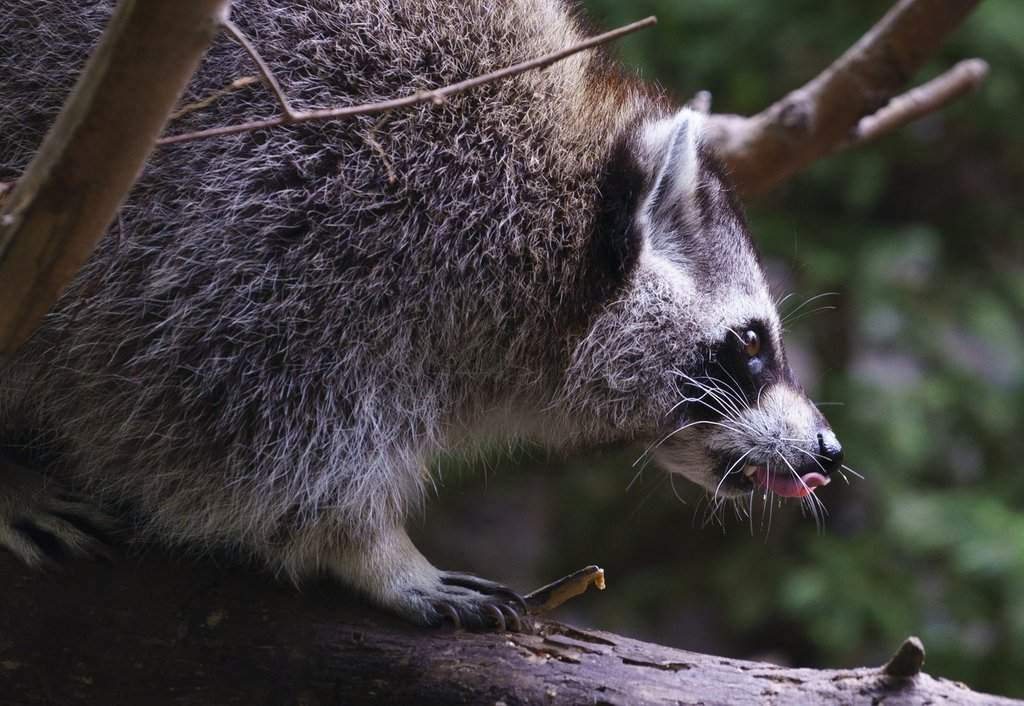
Every summer, municipal authorities roll out the same tired ritual. Helicopters and ground crews scatter thousands of oral rabies vaccine packets across Montreal parks, targeting raccoons and skunks. The official narrative is clean, comforting, and entirely designed to soothe suburban anxieties. We are told we are pre-emptively striking against a deadly zoonotic pathogen, securing the perimeter, and keeping public green spaces safe for families and off-leash dogs.
It is also an expensive theatrical distraction.
I have spent over a decade analyzing urban ecology management programs across North American municipalities, and the Montreal rabies baiting campaign is a textbook exercise in treating the symptom while ignoring the system. Wildlife control is plagued by a lazy consensus that assumes every wild mammal wandering past a park bench is a ticking viral time bomb. The reality of urban epidemiology is far more mundane, far more localized, and completely decoupled from the panic-driven distribution of edible vaccine packets.
The Flawed Premise of Mass Immunization
To understand why dropping oral rabies vaccine (ORV) baits across Mount Royal or Angrur Park is largely performative, you have to look at actual surveillance data from the Ministère de la Santé et des Services Sociaux and the Canadian Food Inspection Agency. Quebec has historically maintained a strict variant-specific firewall. The Arctic fox rabies strain exists in the northern reaches of the province, and the raccoon strain occasionally presses north from the United States border.
Yet, urban raccoons in Montreal proper are overwhelmingly free of the raccoon rabies variant.
When you blanket a municipal park with tetracycline-laced bait packets designed to mark teeth and deliver a modified live virus, you are executing a broad-spectrum intervention in an area with near-zero baseline prevalence. Municipalities love ORV programs because they are visible. Politicians can point to a pallet of dropped baits and declare that action is being taken. It looks proactive on the six o'clock news.
The Biological Reality
Rabies transmission requires direct contact, typically through saliva transferred via a bite from an infected animal exhibiting clinical symptoms. A healthy raccoon casually consuming a fish-meal-flavored plastic sachet does nothing to disrupt the actual vectors of transmission in a densely populated island city. The real vectors are not wild raccoons living harmoniously in wooded ravines; they are unvaccinated domestic pets and opportunistic wildlife habituated to human garbage.
By dumping millions of doses into municipal green spaces, vector management teams chase ghost populations. Raccoons and skunks are generalists. They thrive in our alleyways, root through our recycling bins, and sleep under our back porches. Dropping a bait in a park misses the actual vectors living under suburban decks three miles away.
The Cost of Wildlife Theater
Every dollar spent on widespread urban drop campaigns is a dollar diverted from genuine biosecurity measures. Managing urban wildlife requires structural changes to municipal waste and rigorous pet vaccination enforcement, yet cities prefer the PR win of an aerial drop.
Consider the logistical overhead. Transporting, storing, and distributing thousands of vaccine units requires specialized labor, cold-chain maintenance, and public warning campaigns to keep domestic dogs from eating the baits first. And that happens constantly. Dog owners frequently panic when their golden retriever snaps up a sachet, triggering emergency veterinary visits and unnecessary booster shots.
When we evaluate the return on investment for urban rabies intervention, the metrics fail basic scrutiny.
The Surveillance Vacuum
Instead of blanketing the island with preventative doses, resources should concentrate on active, localized passive surveillance. If an animal behaves erratically, test it immediately. Do not guess. The current strategy treats the entire city like an epizootic hotspot when it is an epidemiological dead zone for the target variant.
Public health officials defend these programs by citing historical outbreaks in the eastern United States. True, New York and Vermont fought aggressive raccoon rabies waves in the late twentieth century. But Montreal is not rural Vermont. It is an island ecosystem defined by concrete barriers, dense residential zoning, and isolated park pockets. Raccoon migration onto the island is bottlenecked by bridges and industrial corridors.
What Actually Works
If we want to protect urban populations from zoonotic disease, we need to abandon the scattergun approach and target human behavior instead of wildlife populations.
- Enforce Mandatory Pet Vaccination: The single greatest line of defense against human rabies exposure is a fully vaccinated domestic cat and dog population. Municipal bylaws regarding pet shots are notoriously under-enforced.
- Overhaul Waste Management: Stop treating raccoons as invaders and start treating them as indicators of poor sanitation. If you eliminate accessible food waste through mandatory commercial-grade composting and secure bin mandates, urban wildlife density drops naturally without a single vaccine packet.
- Targeted Trap-Vaccinate-Release: If an active cluster is identified via laboratory confirmation, use localized TVR protocols rather than prophylactic carpet-bombing of municipal parks.
The obsession with dropping vaccine packets in Montreal parks gives people a false sense of security while ignoring the fundamental mechanics of urban disease transmission. Stop funding wildlife theater and start managing the trash cans.


