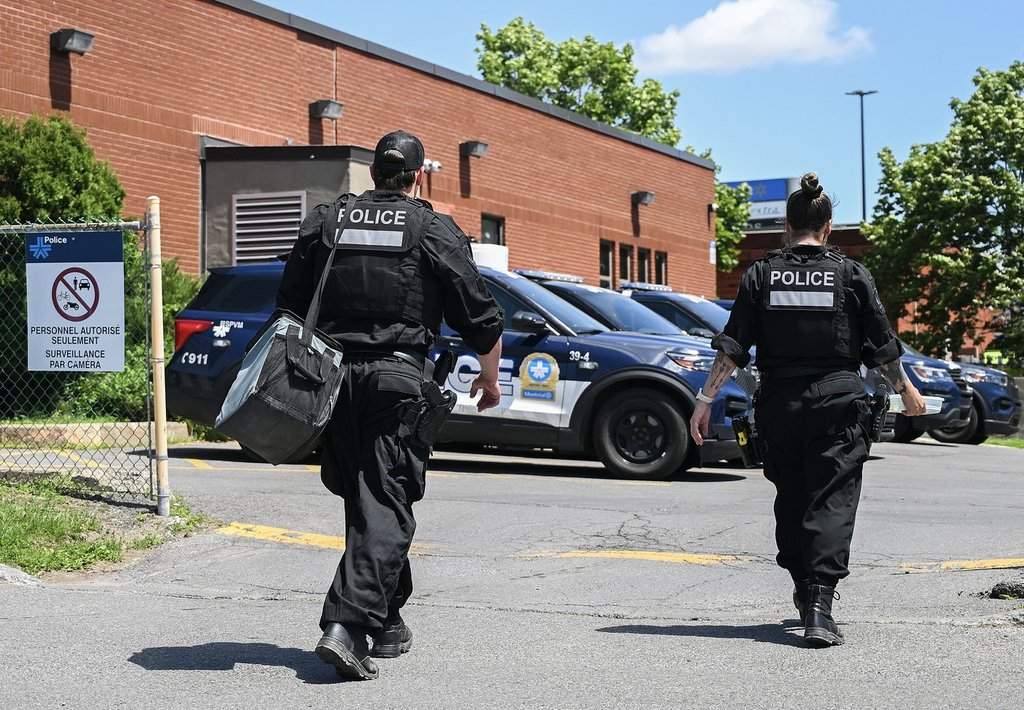
Secretive cliques, internal resistance, and explicit rejection of reform efforts don't happen overnight. When internal briefing notes from the Service de police de la Ville de Montréal (SPVM) leaked regarding Station 39 in Montréal-Nord, they exposed a terrifying reality. A self-reinforcing, "radicalized" subculture had quietly taken root among officers policing a diverse community.
If you've been following Canadian law enforcement scandals, the headlines about Station 39 felt sickeningly familiar. Sixteen officers were yanked from duty amid shocking allegations of coordinated racist behavior and criminal misconduct targeting Black and Arab residents. But the internal records obtained via access to information requests reveal something much deeper than a few bad apples. They map out an entrenched counter-culture that actively rejected administrative oversight and institutional progress.
The Anatomy of an Inside Rebellion
The leaked documents don't mince words. Long before public protests erupted outside the precinct doors, police brass knew something was fundamentally broken. Passages from the internal notes highlight a group of officers who viewed themselves as an insulated unit, thumbing their noses at departmental policies meant to bridge the gap with racialized communities.
"These people reject all the work accomplished by Montreal police in recent years," one internal memo stated. "They rejected it and, in a way, made that known. They sought to recognize each other."
That desire to "recognize each other" points straight to the formation of an internal fraternity built around defiance. When frontline officers decide that modern accountability measures are an enemy to be fought rather than standards to be upheld, safety evaporates. The community loses, justice loses, and the badge becomes a shield for collective impunity.
Experience Deficits and Oversight Failures
Look closely at the numbers behind Station 39, and another troubling pattern emerges. Data shows a sharp drop in workforce seniority within the precinct. Patrol officers averaged just four years of experience, a steep decline from seven years recorded just a few years prior.
You don't need a degree in criminology to understand why thinning out the veteran ranks creates vulnerability. When young, impressionable cops step into high-tension environments without seasoned supervisors to check their impulses, toxic subcultures fill the vacuum. Critics and policing experts have pointed out an obvious truth: when leadership turns a blind eye to shifting cultural dynamics, rogue elements take control of the station house floor.
Worse still are the specific allegations that surfaced during the investigation. Claims that officers kept personal items—including cutting locs from the hair of racialized citizens—as trophies go far beyond standard procedural misconduct. Mental health and security experts noted that such behavior mimics high-tier outgroup dehumanization. It signals a complete breakdown of empathy and a frightening descent into organizational tribalism.
The Cost of Delayed Transparency
Chief Fady Dagher moved fast once concrete investigative elements landed on his desk on June 11, pulling the trigger to dismantle the unit within 24 hours. But the fallout exposed deep fractures in public trust. Holding late-week press briefings with minimal notice rarely projects openness; it looks like damage control.
Communities in Montréal-Nord have shouldered the burden of strained police relations for decades. When internal documents reveal that leadership recognized a hostile subculture brewing within their ranks, citizens are left asking a straightforward question. Why wasn't action taken sooner?
Transparency requires more than dismantling a unit after the damage is done and evidence is handed to Quebec prosecutors. It demands proactive monitoring, aggressive internal audits, and an absolute intolerance for officers who treat a public safety mandate like an occupation force. Rebuilding trust in Montréal-Nord won't happen through press releases or token retraining seminars. It takes institutional root canals, and until law enforcement agencies clean out the rot from the bottom up, these scandals will keep repeating.