If you still think every major financial district faces the exact same office crisis, you haven't looked at the balance sheets lately. Wall Street analysts are changing their tune on global property, and a surprising geographical divide has opened up.
Morgan Stanley's recent sector reports point to a stark contrast between Western business hubs and Asian markets. While Manhattan skyscrapers battle empty desks, hybrid work permanence, and brutal refinancing math, Hong Kong's core commercial space is carving out a very different path.
You have to look past the general panic to understand why major institutional players see distinct upside in Asian prime space while treating US downtown towers with extreme caution.
The Manhattan Squeeze
New York commercial real estate is stuck in a painful transition. Hybrid schedules aren't going away, and financial firms have spent years trimming their square footage. When companies downsize, older office buildings take the hardest hit.
Landlords find themselves trapped in an expensive game of catch-up. To attract tenants back into aging towers, owners have to fund massive capital expenditures. Upgrading HVAC systems, installing touchless tech, and meeting strict municipal energy mandates cost a fortune.
Then reality hits when debt refinancing comes due at higher interest rates. Property valuations take a direct hit, and owners are forced into heavy tenant concessions—offering months of free rent or covering multi-million-dollar fit-outs just to secure a lease. The path to real yield compression in Manhattan remains long and steep.
Why Hong Kong Core Space Operates Differently
Hong Kong went through its own severe correction, shedding significant value from its historic peaks over a multi-year slump. But that deep pricing reset created a distinct inflection point.
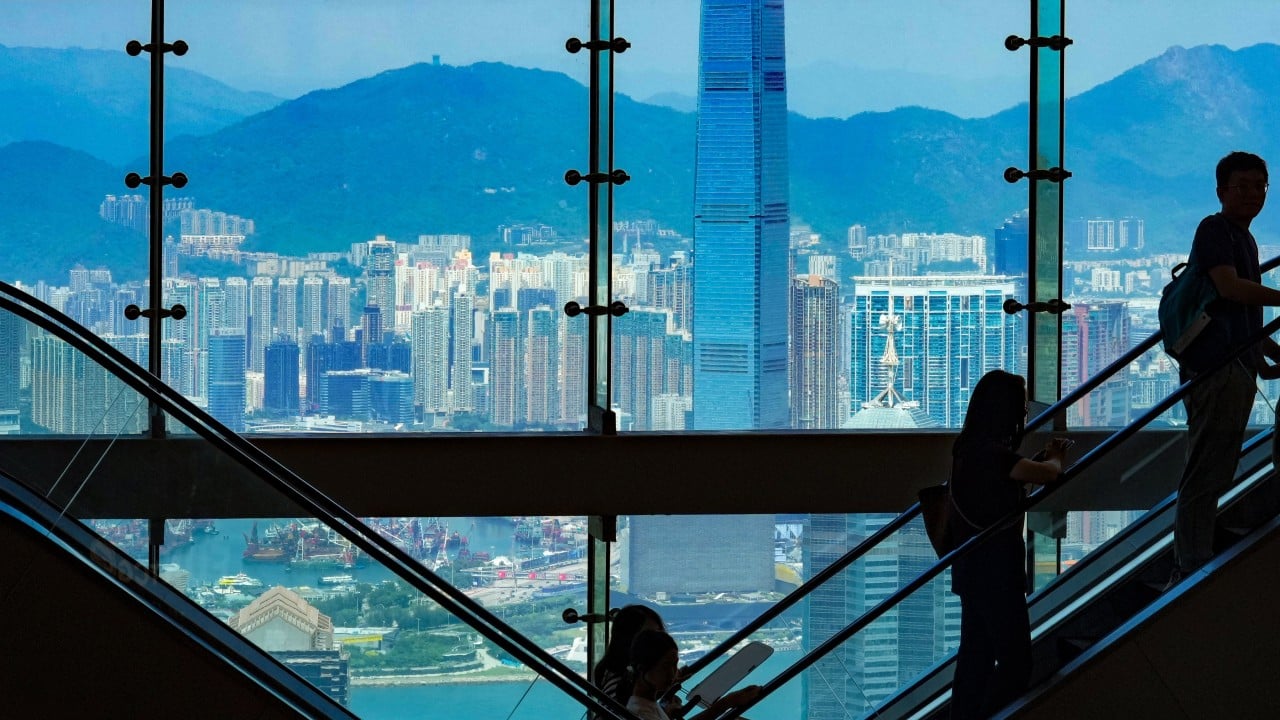
The downside risk is largely priced in, and the market has bottomed out ahead of its Western counterparts. More importantly, geography dictates fundamentals. Unlike New York, where sprawling regional geography allows for endless commercial expansion, Hong Kong is physically boxed in by mountains and the harbor.
You can't just build another skyscraper in Central whenever you feel like it. That rigid supply constraint acts as a natural safety net. When regional economic activity picks up and capital flows adapt, landlords in prime locations hold the cards because competing inventory simply doesn't exist.
Cash Flow Realities and Institutional Strategy
Institutional investors evaluate property through cold mathematics. Cap rates in major Asian financial centers adjusted to higher global interest rates much faster than many Western markets.
When you compare a Manhattan tower bogged down by aggressive tenant concessions with a tightening Asian market where rental concessions are shrinking, the financial asymmetry becomes clear. Major landlords in Central are starting to regain pricing power on leases. Equity markets have already begun pricing in this shift, with analysts upgrading key sector names like Sun Hung Kai Properties, Henderson Land, and Hongkong Land.
Real estate remains intensely local, but global macro trends dictate where smart capital flows. Treating every downtown core with a blanket strategy is a fast way to lose money. Manhattan towers require deep pockets, immense patience, and an outright bet on long-term cultural turnaround. Hong Kong commercial space offers a sharper cyclical rebound built on acute geographical scarcity and compressed valuations. Watch the leasing velocity in core districts closely over the next two quarters. The shift is already underway.