Morning air in northeastern Poland smells of damp earth and coming frost. October does not ask permission to arrive; it simply settles over the plains, turning the birch leaves yellow and chilling the stone walls of schoolyards before the children even step outside.
In a small town, a school is not just a building. It is an anchor. It is the place where mothers drop off small hands in mittens, where janitors know every squeak in the floorboards, where the rhythm of the day is measured by the sharp, metallic clang of the bell. Safety here is an assumption so deep it feels like the weather. You do not think about safety any more than you think about gravity.
Until the floor drops.
Ten people. Ten ordinary human lives, tangled in a sudden, violent eruption of chaos inside a Polish school. Among them, children—minds still forming, notebooks still filled with messy fractions and half-drawn sketches. When a knife cuts through the ordinary hum of a classroom hallway, it does not just slice flesh. It tears open the social contract.
We live in a world that tries to sanitize violence, turning it into pixels on a screen or a brief headline scrolling across a morning feed. We read 10 injured in knife attack at school in northeastern Poland and our brains try to file it away. Distance. Foreign geography. Statistics.
Do not look away.
Consider what happens in the first three seconds. The sound is wrong. It is not the boisterous shouting of recess, nor the heavy thud of a dropped backpack. It is a sharp, jagged cry. Teachers—men and women who woke up planning to grade grammar quizzes or explain geography—instantly pivot from educators to shields. Adrenaline floods the system with a metallic taste. Muscle memory takes over, born of a reality no one wants to admit exists.
Doors slam. Locks click. Panic is a contagious fire, but so is courage. In moments like this, human behavior splits into its most primal forms. There are those who freeze, staring at the floor, and there are those who throw their bodies between a blade and a child.
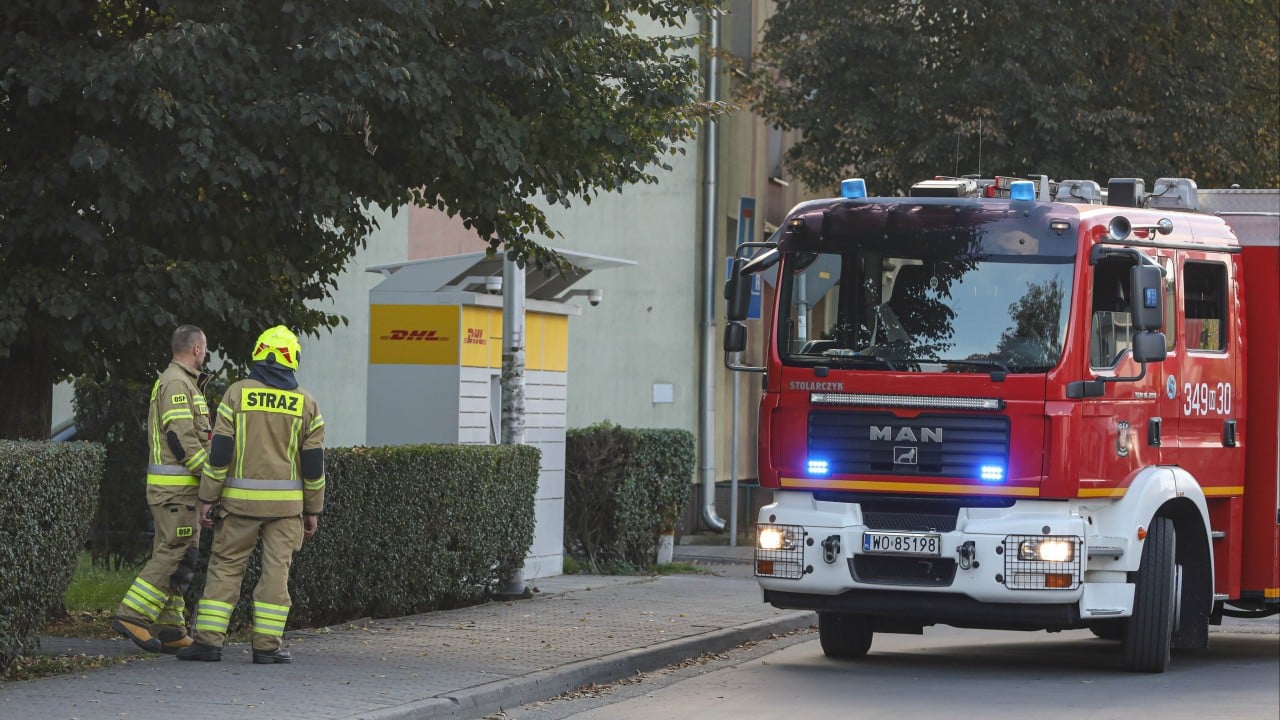
We do not yet know every name of the wounded. The official reports give us the bare skeleton of the event: ten injured, a suspect apprehended, sirens echoing against brick facades, ambulance tires crunching on gravel. Cold facts. Sterile updates. But numbers cannot capture the weight of a mother running down a street with her coat half-zipped, her heart hammering against her ribs like a trapped bird. Numbers cannot measure the terror of a classroom huddled beneath desks, listening to unfamiliar boots in the corridor.
Violence in a school feels like sacrilege. It violates an ancient human instinct: the sanctuary of the young.
For decades, societies in Central Europe have looked at events like this across oceans with a quiet, detached empathy, whispering that such storms pass us by. Poland has long prided itself on streets where children can walk home alone at dusk without a shadow of doubt. When that peace is punctured, the shockwave is cultural, not just physical. It forces a reckoning with a modern vulnerability that no border wall or iron gate can keep out.
The blade was sharp. The wounds will heal, slowly, leaving pink scars on skin and invisible ones on the mind. But the larger injury is to our collective illusion of immunity.
Consider the teacher who will return to that same room next month. Consider the child who will look differently at the empty chair beside them. They are stepping into a changed world.
Yet, resilience is also human. It lives in the neighbors who rushed toward the screaming. It lives in the paramedics working in the cold October wind, hands steady despite the blood. It lives in the refusal to let fear permanently lock the doors of learning.
The sirens have faded now. The flashing red lights have gone dark. The journalists have packed their cameras. But in the quiet classrooms of northeastern Poland, the dust is still settling on a morning that changed everything, reminding us how fragile our daily peace truly is, and how fiercely we must guard the spaces where our children grow.