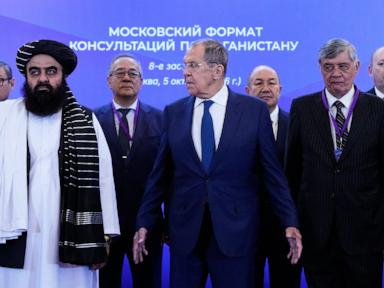
Western foreign policy circles are having a collective nervous breakdown over Moscow shaking hands with the Taliban. Look at the mainstream commentary. The narrative is predictable, lazy, and fundamentally detached from the mechanics of actual statecraft. Pundits in Washington and Brussels act as though diplomatic engagement with Kabul is a moral failure or a sign of desperation. They miss the entire point. Moscow is not validating an ideology. They are managing a border.
I have spent years watching diplomats drown in their own moral hazard while burning down actual security frameworks. The Western playbook on Afghanistan since August 2021 has been defined
Why Moscow Hosting the Taliban is the Wests Worst Nightmare Because It Actually Works
news
Every Western pundit and diplomatic desk jockey is losing their collective mind over Moscow rolling out the red carpet for a Taliban delegation once again. They call it a cynical stunt. They call it a betrayal of international norms. They clutch their pearls and wonder how a regime born out of religious extremism can find common ground with a Kremlin desperate for allies.
They are missing the entire point.
The lazy consensus in foreign policy circles assumes that diplomacy requires moral alignment or at least shared legal frameworks. It does not. Diplomacy is transactional cold-water realism. While Washington and Brussels stay paralyzed by their own ideological geometry—refusing to look at Kabul without filtering it through human rights committees and sanctions regimes—Moscow is doing what states have done for centuries: talking to the people with the guns who control the territory.
And that makes Washington look completely obsolete.
Let us strip away the diplomatic theater. When Russia hosts Afghan officials for economic consultations, they are not endorsing the suppression of women or rewriting history. They are securing a southern buffer zone, locking down trade corridors through Central Asia, and quietly cutting off the oxygen to actual regional threats like ISIS-K.
I have watched diplomats blow millions of dollars on virtue-signaling conferences that produced nothing more than glossy PDF reports and dead ends. Moscow skipped the reports and bought the raw commodities pipeline.
The Myth of Diplomatic Isolation
The core misconception rotting out Western foreign policy is the idea of quarantine. The belief runs deep in the State Department that if you ignore a regime long enough, or heap enough secondary sanctions on them, they will magically implode or reform.
History laughs at this fantasy. Isolation does not weaken pariah states; it hardens them into self-sufficient fortresses or drives them directly into the arms of your worst geopolitical rivals. By keeping the door bolted, the West handed the keys of Central Asian access to Beijing and Moscow on a silver platter.
When Russian officials sit across the table from a Taliban trade minister, they are not asking about civil liberties. They are negotiating grain shipments, fertilizer, and regional security pacts. The Taliban need economic oxygen to survive, and Moscow has surplus wheat and energy. It is basic math. No moral philosophy required.
Who Benefits When Washington Stays Home
Ask yourself a simple question. If the West refuses to engage with Kabul on basic counter-terrorism and economic trade, who fills the vacuum?
China is already pouring capital into mining concessions across Afghanistan through the Belt and Road initiative. Pakistan is managing its border security headaches with a mix of airstrikes and uneasy deals. And Russia is establishing intelligence-sharing channels to ensure that the drug trade and radicalized insurgents do not bleed north into the former Soviet republics.
When you refuse to sit at the table because the other person has dirty hands, you do not maintain purity. You simply lose your vote.
The West keeps asking: How can we punish the Taliban into compliance?
It is the wrong question entirely. The real question is: How do you protect your own strategic equities in a region when you have voluntarily blinded yourself by refusing to talk to the power in charge?
You do not. You just write angry communiqués and pretend they matter.
The Realist Playbook
Realpolitik is ugly. It leaves a bad taste in the mouth of anyone raised on idealistic notions of a rules-based international order. But pretending that the Taliban do not control the territory between Iran and Pakistan is not a moral stance; it is a clinical delusion.
Moscow understands that a stable, economically viable Afghanistan—even an authoritarian one—is infinitely preferable to a failed state that acts as an incubator for transnational terror. By bringing them into bilateral trade talks, Russia binds the regime to real-world responsibilities. You cannot default on trade agreements or sponsor cross-border chaos if your primary supplier of fuel and wheat is sitting right across the negotiating table.
Co-option beats confrontation every single time when you are dealing with actors who cannot be shamed into submission.
The diplomats in London and Washington can keep drafting their sternly worded condemnations. They can keep their embassies closed and their checkbooks locked. But while they are busy feeling morally superior, Moscow is redrawing the map of Central Asia one pragmatic trade deal at a time.
Stop mourning a unipolar world that died years ago. The realists have returned to the board.