The rain in Kathmandu does not fall; it arrives with the weight of an iron roof dropped from fifty feet. It drums against corrugated tin until the sound ceases to be noise and becomes a physical pressure, squeezing the air from your lungs and turning every street corner into a grey, churning throat.
Water has a memory. It remembers every ancient path carved by glacial melt before humans mapped a single ridge. When the monsoon breaks its banks, it simply reclaims what was borrowed.
Behind the dry wire of international news dispatches—past the cold tallying of figures released by the Nepal Police—lies a staggering, terrifying arithmetic. Thirteen hundred and forty-four. Say it aloud. It sounds like a serial number for a manufactured part, or a distant statistic from an era of black-and-white photographs. But numbers are just ghosts wearing suits.
Consider a hypothetical shopkeeper named Ramesh, whose three-story concrete home in the lower valley stood for twenty years against minor tremors and stubborn seasonal floods. On a Tuesday night that smelled of wet mud and charcoal, Ramesh did not hear a crash. He heard a sigh. The earth beneath his foundation liquefied, turning from solid ground into a heavy, grey porridge that swallowed his front door in three slow swallows. By dawn, the kitchen table where his daughter practiced her Hindi verbs was floating three miles downstream, alongside tin roofs, plastic sandals, and the uprooted ghosts of ancient sal trees.
We are terrible at understanding scale until it breaks our own door down.
When a disaster of this magnitude strikes the roof of the world, our minds retreat to comfortable abstractions. We talk about infrastructure deficits, meteorological anomalies, and climate pressures. We treat geography like a chessboard. But geography is alive, and right now, it is angry. The Himalayan range is young, steep, and constantly shifting—a geological adolescent that refuses to sit still. When torrential downpours hit soil already loosened by unchecked hillside construction and unmanaged road grading, the mountains do not just erode. They collapse.
Consider what happens next: the rivers choke. Debris dams form silently in narrow gorges, holding back millions of tons of muddy water until the pressure exceeds human imagination. Then, the wall gives. The resulting wall of water and boulders moves faster than a galloping horse, scouring entire hamlets down to the bare bedrock. In these moments, emergency services do not fail because they are indifferent; they fail because the physics of the catastrophe outpace human mobility. Helicopters cannot fly through soup. Bridges are not merely damaged; they cease to have ever existed.
There is a particular kind of silence that follows a flash flood. It is not peaceful. It is the silence of shock.
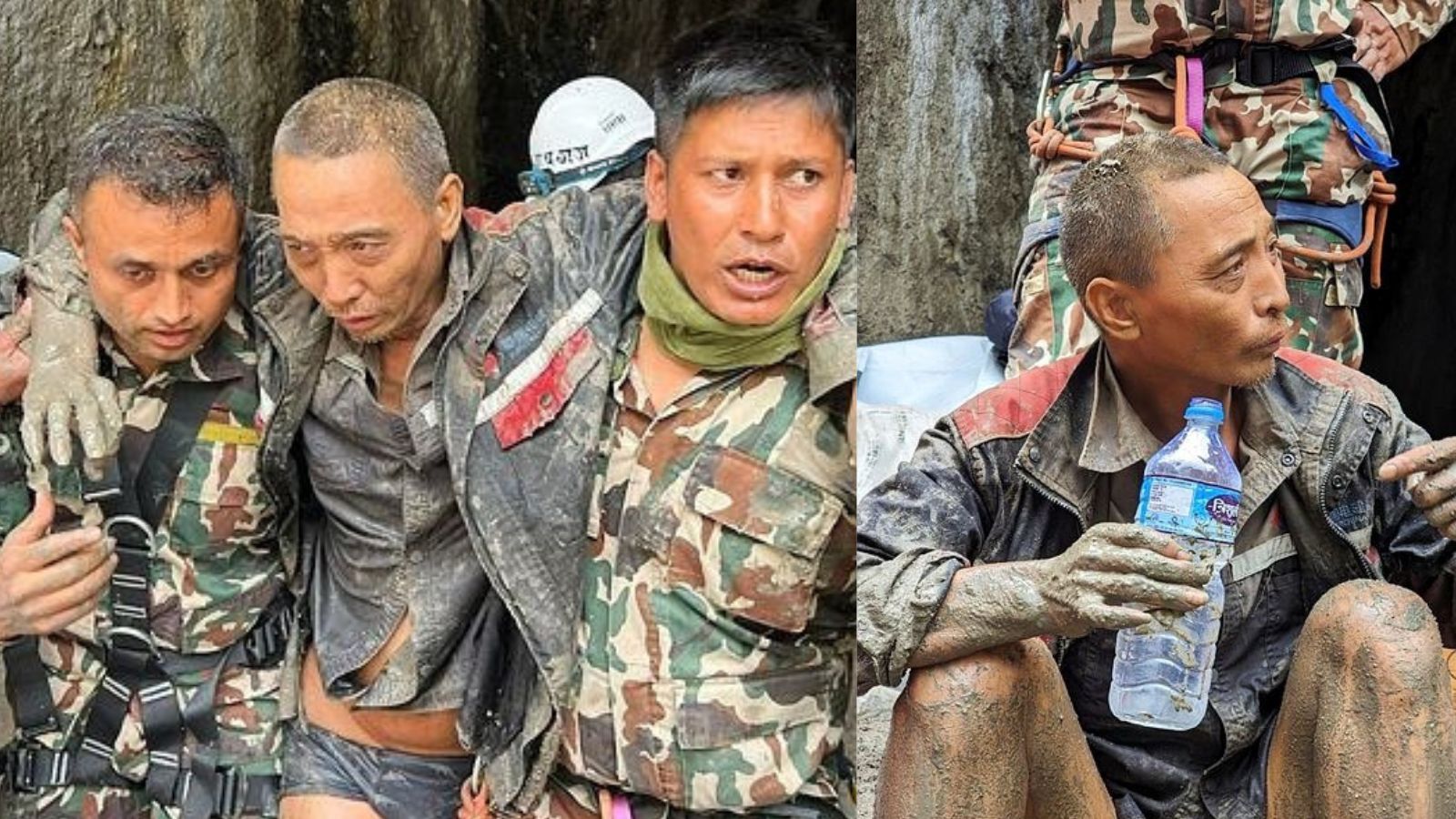
In the aftermath, families who have lost everything do not immediately weep. They search. They walk along the edges of swollen, coffee-colored torrents with long bamboo poles, prodding at tangled heaps of plastic sheeting and smashed timber, looking for a jacket, a cooking pot, a photograph encased in cracked glass. They look because the alternative—accepting that everything accumulated over forty years of backbreaking labor can vanish in forty minutes—is too large to hold in your head at once.
We look at Nepal from the outside and see a tragedy of weather. We are wrong. It is a tragedy of vulnerability.
The poor do not live on the hillsides by choice; they live there because the valleys have been bought, paved, and priced beyond their reach. They build their homes on the steep, unstable margins where the earth is most fragile, trading long-term safety for short-term survival. When the monsoon turns murderous, it executes a cruel redistribution of misery, punishing those who contributed least to the planetary warming that supercharges these storms.
The police blotters will update. The numbers will freeze at 1344, or perhaps creep upward as remote hamlets finally manage to clear the mud from their satellite phones and signal outward. Bureaucrats will draft reports on drainage systems and early warning sensors. Aid packages will be announced with solemn press conferences in distant capitals.
Yet the mud remains.
It cakes the floorboards of schools where children should be learning fractions. It fills the irrigation canals that feed the next harvest. It sits heavy in the chests of parents who must decide whether to rebuild on the exact same slope that tried to swallow them, simply because they have nowhere else to go.
Listen closely to the sound of the rain outside your window tonight. Notice how easily it stops, how gently it drains away into the municipal grates beneath your street. Then remember that four thousand miles away, the same sky can turn to lead, and the mountains can decide that today, they want their riverbeds back.