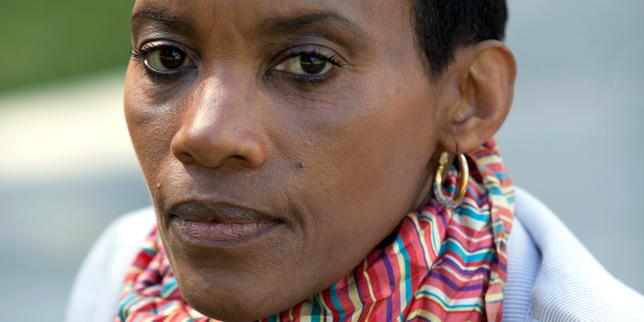
When Dafroza Gauthier passed away, the eulogies poured in with predictable uniformity. She was hailed as a tireless crusader, a lone wolf tracking down Rwandan genocidaires who had vanished into the comfortable anonymity of French suburbs. The mainstream narrative casts her as a moral titan fighting an indifferent state apparatus. It is a neat, emotionally satisfying story. It is also dangerously incomplete.
The lazy consensus treats her passing as the end of an era of solitary civic virtue, framing her organization, Collectif des Parties Civiles pour le Rwanda, as the gold standard of accountability. This perspective ignores a harsher reality: civil society investigations operating outside institutional frameworks often mask systemic state failure. When private citizens have to spend three decades doing the heavy lifting of international criminal law, the system is not working. It is broken.
Let us be entirely clear about the stakes. Gauthier and her husband Alain dedicated thirty years of their lives to gathering evidence, interviewing witnesses, and pushing a reluctant French judiciary to act. Their work resulted in historic trials, including those of Pascal Simbikangwa and Octavien Niyonzima. No one questions their grit. But treating their heroic marathon as a triumph of modern justice is a category error. It is an indictment of a political class that preferred diplomatic silence over accountability until forced into motion by relentless civil pressure.
The Myth of the Independent Crusader
For decades, the standard line from Parisian political circles was that France bore no direct responsibility for the ghosts of 1994. The official posture was defensive, bureaucratic, and slow. When the Gauthiers founded CPCR in 2001, they were not welcomed as partners by the French police or the Ministry of Justice. They were treated as irritants.
The conventional coverage praises Gauthier for shaming France into action. But shame is a poor substitute for institutional design. Relying on grieving relatives and passionate activists to build war crimes cases is a systemic vulnerability. What happens when the Gauthiers of the world are gone? What happens when there is no charismatic private citizen with the time, resources, and psychological fortitude to hunt perpetrators across three continents?
The answer is simple: impunity wins.
A robust legal architecture should not depend on grassroots heroism to function. By celebrating the exception, we excuse the rule. The French state dragged its feet because the presence of Rwandan suspects on its soil was an embarrassment, a living reminder of François Mitterrand’s disastrous geopolitical miscalculations during the 1990s. Every trial secured by CPCR was wrestled from a reluctant bureaucracy that would have preferred the files to gather dust until the suspects died of old age.
The Bureaucracy of Asylum and the Comfort of Silence
People ask why it took thirty years to bring these men and women to trial. The naive answer is that finding war criminals hiding in plain sight is difficult. The real answer is political convenience.
France has long operated as a comfortable refuge for figures from various troubled regimes, insulated by complex extradition laws, institutional lethargy, and a persistent reluctance to interrogate past foreign policy failures. When genocidaires obtained residency permits, found jobs, and raised families in French towns, it was not because they executed some masterclass in espionage. It was because nobody in authority was looking too closely.
Gauthier’s work exposed the fatal flaw in European extradition and asylum screening procedures: the absence of proactive investigative mechanisms. States wait for civil society to hand them a case wrapped in a bow before they mobilize resources. When the CPCR documented a suspect working in a local bakery or living in a housing block, they were doing the job of national security agencies and specialized prosecutors.
To call this a partnership between citizens and the state is romantic fiction. It was a persistent audit by outsiders who kept pointing out that the state was failing its legal obligations under international conventions.
The Uncomfortable Downside of Activist-Led Justice
There is a dark side to relying on civil collective action for war crimes prosecution that polite commentary refuses to touch: vulnerability and burnout.
When accountability rests on the shoulders of a small, underfunded NGO, the process becomes dangerously personalized. The pursuit of justice gets tied to the health, funding, and longevity of a few individuals. If the Gauthiers had folded twenty years ago due to financial strain or exhaustion, dozens of suspects would have lived out their natural lives untouched by a courtroom.
Furthermore, activist-driven investigations face immense pressure to prioritize high-profile targets to keep donors interested and media attention high, potentially distorting prosecutorial priorities. While CPCR maintained rigorous standards, the structural model itself is unsustainable. Justice cannot run on crowdfunding and moral outrage.
Beyond the Eulogies
Mourning Dafroza Gauthier requires more than recycling headlines about her bravery. It requires confronting the institutional apathy she spent her life fighting.
If we truly honor her legacy, we must stop treating the prosecution of international crimes as a niche humanitarian hobby for dedicated outsiders. Specialized war crimes units need permanent funding, independent mandate, and proactive intelligence-gathering capabilities that do not rely on retirees knocking on doors in provincial towns.
The romantic era of the lone investigator shaming governments into doing their jobs must end. The state must build the machinery to hunt down perpetrators automatically, relentlessly, and without needing a citizen's collective to sound the alarm.
Gauthier did the work France was too cowardly to do for itself. Do not mistake the necessity of her heroism for the health of the system.