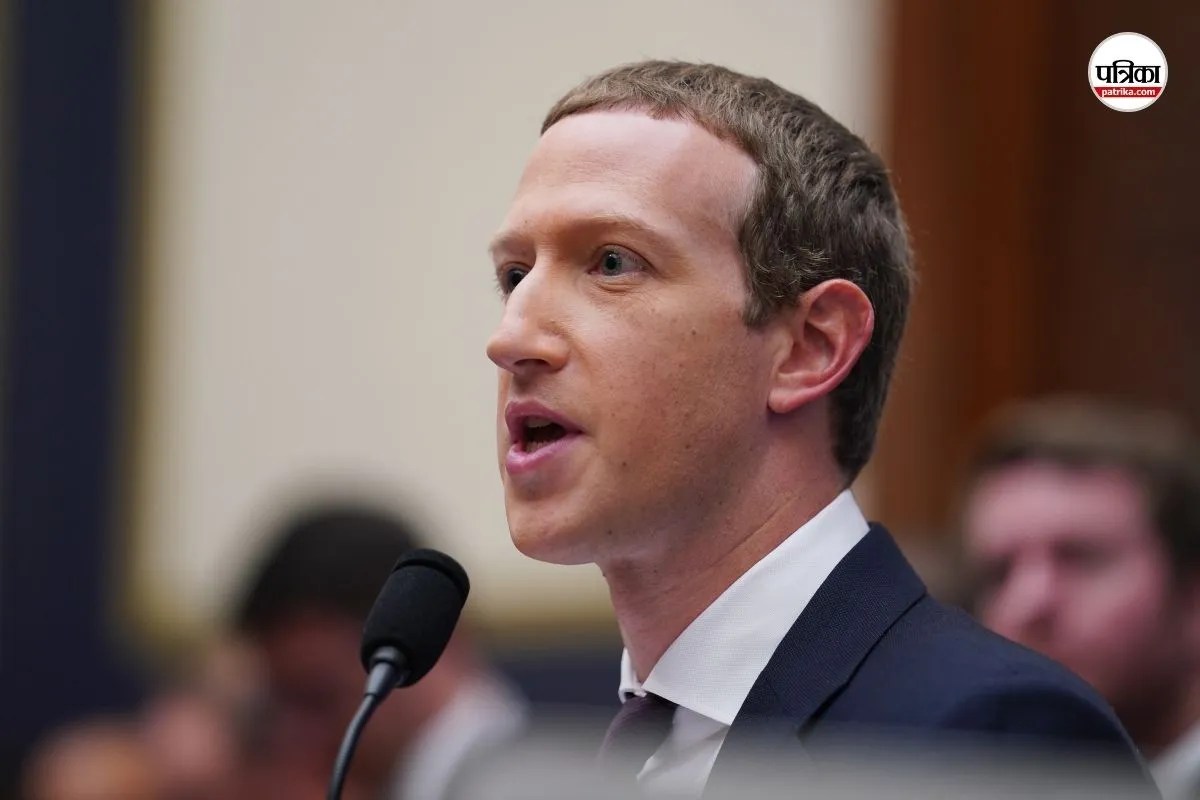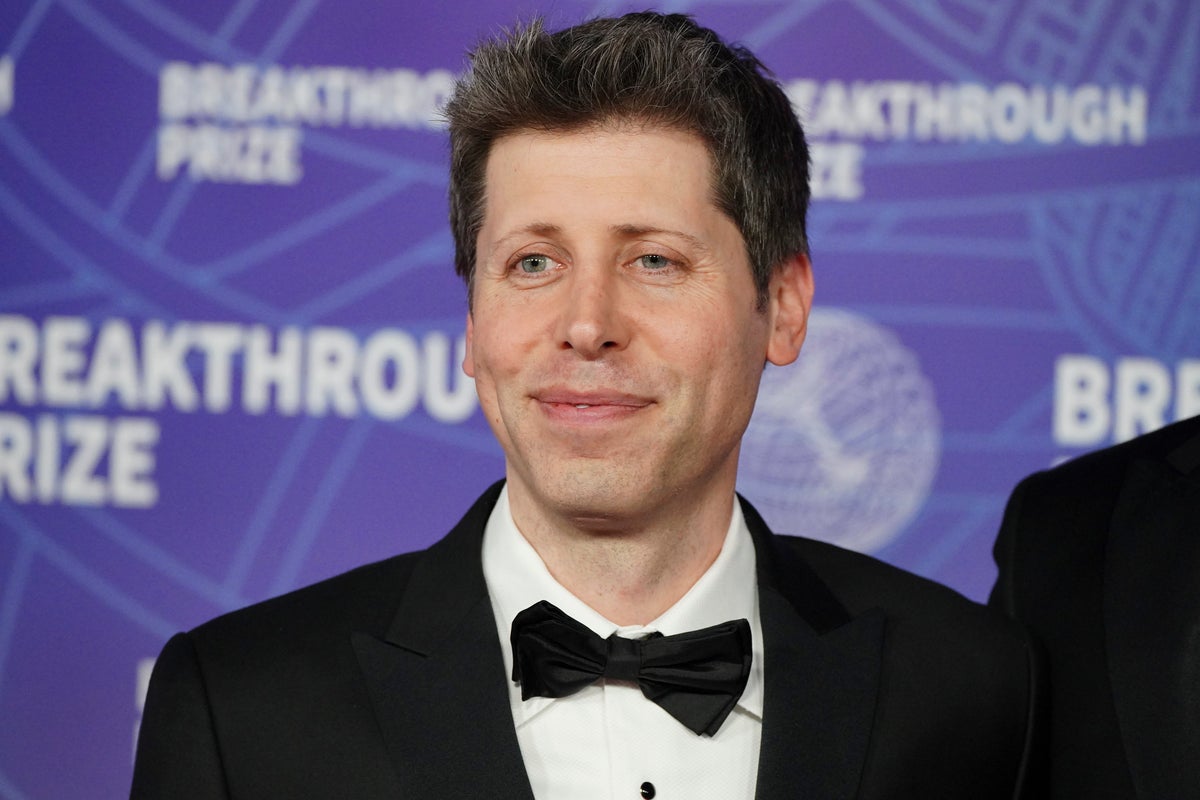
Elon Musk and Sam Altman are finally face-to-face in a California courtroom, and it’s not for a friendly coffee. After years of trading barbs on X and leaked emails, the two titans of tech are letting a jury decide the future of the most valuable AI company on earth. This isn't just a squabble between billionaires. It’s a fight over who owns the soul of artificial intelligence—and whether a "mission to save humanity" can legally be swapped for a trillion-dollar valuation.
If you’ve been following the headlines, you know the basics. Musk helped start OpenAI in 2015 as a nonprofit. He says he was promised it would stay that way. Now, OpenAI is an $852 billion juggernaut on the verge of an IPO, and Musk wants his "Shakespearean" revenge. But the details coming out of the Oakland federal court this week reveal a much messier, more calculated war than we previously thought.
The Betrayal at the Heart of the Case
Musk’s legal team isn't just arguing that Altman broke a pinky promise. They’re alleging a "long con." According to the filings, Musk donated over $44 million to OpenAI under the explicit agreement that the tech would be open-source and for the benefit of everyone, not locked behind a Microsoft-shaped curtain.
The core of the argument rests on a "charitable trust." In California, if you give money to a nonprofit for a specific purpose, the directors can’t just decide one day to flip the switch and start printing money for themselves. Musk is essentially calling for "disgorgement." He wants the billions in equity and profits made by Altman and Greg Brockman to be clawed back and handed to the nonprofit arm. He’s also gunning for Altman’s seat on the board.
OpenAI’s Counterattack is Personal
OpenAI isn’t taking this lying down. Their defense strategy? Paint Elon as the jealous ex. They’ve already started releasing emails from 2017 and 2018 that suggest Musk actually supported the move to a for-profit model—as long as he was the one in charge.
The company’s lawyers are hitting three main points:
- Musk wanted to merge OpenAI with Tesla to use it as a "cash cow."
- He left because he lost the power struggle, not because of a moral crisis.
- His lawsuit is a calculated attempt to hamstring a competitor while he builds his own AI firm, xAI.
It’s a classic "he said, she said" scenario, but with nearly a trillion dollars on the line. Judge Yvonne Gonzalez Rogers has already noted that the country "likes competition," which wasn't a great sign for Musk’s earlier attempts to freeze OpenAI's operations. However, she also agreed that using "the public’s money" (via tax-deductible donations) to build a private empire is a matter of massive public importance.
Why This Matters for the Rest of Us
You might think this is just rich people fighting over more riches. It’s not. The outcome of this trial will set the legal precedent for how AI is developed for the next decade.
If Musk wins, OpenAI’s structure could be dismantled. Its partnership with Microsoft could be ruled illegal under nonprofit law. That would send shockwaves through the entire tech economy. It would basically say that "Public Benefit Corporations" can’t just ignore their founding mission when a big check comes along.
If Altman wins, it’s a green light for the "move fast and monetize" crowd. It confirms that the massive capital required to build Artificial General Intelligence (AGI) justifies abandoning the nonprofit "hobbyist" roots of the early days.
The AGI Definition Trap
One of the most fascinating parts of this trial is how the court defines AGI. OpenAI’s contract with Microsoft specifically says Microsoft gets access to their tech until OpenAI achieves AGI. Once the machines can out-think humans, the license ends.
Musk’s team is arguing that OpenAI has already reached a level of intelligence that qualifies as AGI, meaning they’re illegally giving Microsoft tech that should be public. This puts Altman in a weird spot. To keep the Microsoft money flowing, he has to argue that his AI isn’t that smart yet. To keep investors happy for the IPO, he has to argue it’s the most revolutionary thing ever built. It's a tightrope walk over a pit of legal fire.
What to Watch for in the Coming Weeks
The trial is expected to last about four weeks. Here’s what you should keep an eye on:
- The Witness Stand: We’re going to see Musk, Altman, and potentially Microsoft CEO Satya Nadella testify under oath. This is where the "Shakespearean" drama gets real.
- The Jury’s Mood: Most prospective jurors in Oakland already admitted to having "negative feelings" about Musk. He’s fighting an uphill battle in a room full of people who likely use ChatGPT every day.
- The Restructuring: OpenAI recently shifted into a Public Benefit Corporation. The court is looking closely at whether this was a genuine move toward safety or just a legal shield to protect their impending IPO.
Don't expect a settlement. Both of these men have enough money to fight until the sun burns out. This is about legacy and control over the most important technology of our lifetime.
If you want to stay ahead of how this affects the AI industry, start looking at the open-source alternatives. Whether Musk wins or loses, the era of "trust us, we're the good guys" in AI development is officially over. The future is being written in a courtroom, not a code editor. Keep a close watch on the rulings regarding "charitable assets"—they’ll dictate whether the next great AI breakthrough stays in a lab or ends up on your subscription bill.