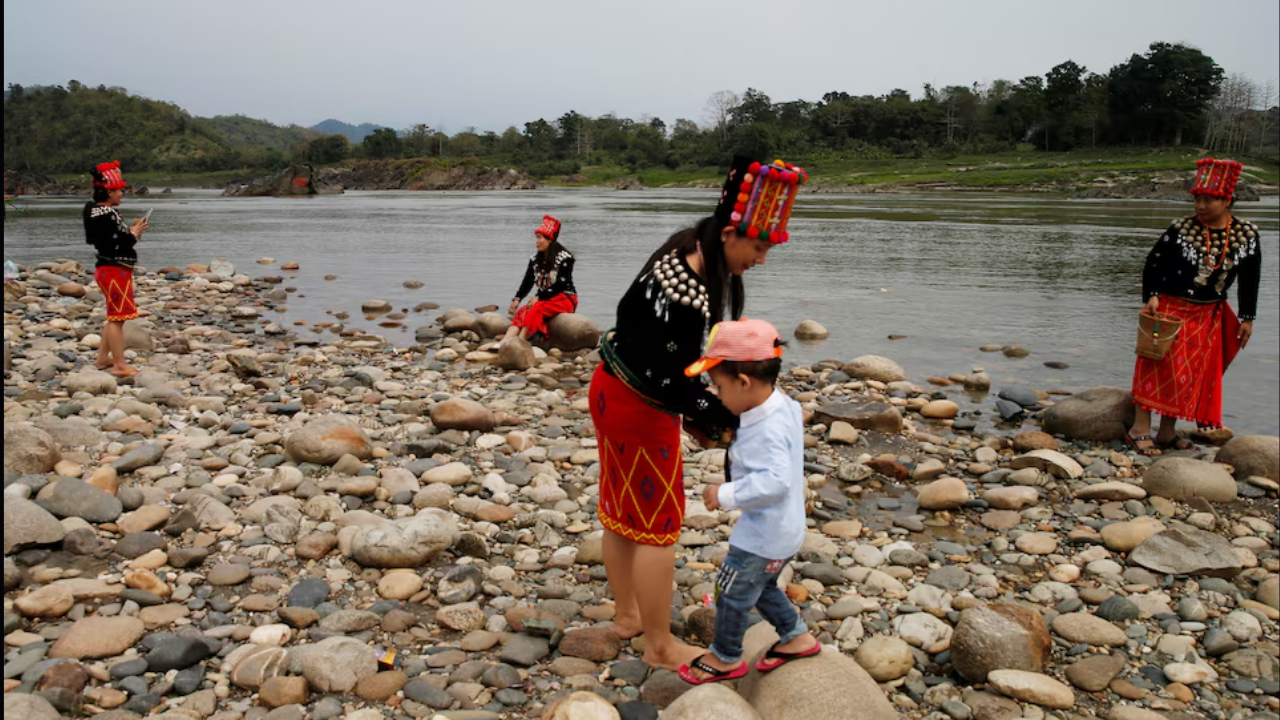
十四 years ago, a massive public outcry forced Myanmar to halt the $3.6 billion Myitsone hydropower project. It was a rare moment when citizens successfully pushed back against a powerful state and its giant neighbor. Now, the military-led administration is quietly moving to restart construction. If completed, the massive dam will create a reservoir roughly the size of Singapore and flood an ecologically fragile region in Kachin State.
You might wonder why officials would resurrect a project that triggered such deep national anger. The short answer is power. Myanmar faces a crippling electricity shortage, and the administration sees this massive Chinese-backed dam as an easy fix. But the hidden costs, environmental dangers, and political risks tell a much darker story. You might also find this related story useful: The Unexpected Bond Across the Ocean And Why Fiji and Israel Share a Secret History.
The Power Crisis Versus the People
Myanmar's electrical grid is broken. Years of conflict following the 2021 military coup have left infrastructure battered, and blackouts are a daily reality for millions. State leaders argue that a 6-gigawatt hydropower plant could supply more than half of the country's total electricity demand.
On paper, that sounds compelling. In reality, the proposal revives old wounds. Under the original 2009 agreement, roughly 90 percent of the energy generated was slated for export to China. While current officials claim they are evaluating the benefits and drawbacks, they haven't clarified whether those export terms have actually changed. As reported in latest reports by The Guardian, the effects are worth noting.
Citizens remember the original deal. They remember being asked to shoulder all the environmental damage while foreign buyers reaped the rewards. Trust is broken, and PR campaigns run by regional authorities aren't winning anyone over.
The Elephant in the Room: Seismic Hazards
Building a wall of concrete across the confluence of the Mali and Nmai rivers is dangerous enough. Doing it in an active earthquake zone is terrifying.
A major 7.7 magnitude earthquake struck central Myanmar, killing thousands and proving that the region's geological faults are unpredictable and deadly. A structural failure at Myitsone wouldn't just wipe out local towns; it would threaten downstream cities across the Irrawaddy basin.
Government officials claim modern engineering can handle these risks. Local communities aren't buying it. When you talk to people living in Kachin State, they point out that no amount of advanced technology can stop a major tectonic plate from shifting.
Escalating Costs and Economic Realities
The financial math doesn't add up either. The original price tag was $3.6 billion, but modern estimates by groups like the International Renewable Energy Agency suggest building a similar-scale hydro project today could easily soar past $11 billion.
Financing a multi-billion-dollar megaproject during an active civil war is an economic gamble. The state administration is betting that closer ties with Beijing will secure the necessary funds and technical muscle. Yet, pouring money into a contested dam while the countryside remains unstable looks less like strategic planning and more like desperation.
What Happens Next
Resistance to the dam is underground, fueled by fear of arrest. Civil society coalitions and ethnic armed groups like the Kachin Independence Army reject the project outright. They know that once concrete starts pouring, the displacement of indigenous communities and the destruction of sacred cultural sites become permanent.
The administration wants construction underway soon, targeting completion within eight years. Whether they can bypass public fury and ongoing civil unrest remains doubtful. This isn't just an infrastructure debate. It's a high-stakes test of whether state power can completely override local survival.
Watch how local communities respond in the coming months. The fight over Myitsone is far from over.
Myanmar to Restart Controversial $3.6 Billion Myitsone Dam Project
This video provides an overview of Myanmar's plans to restart the $3.6 billion Myitsone hydropower dam project with Chinese backing.
http://googleusercontent.com/youtube_content/1