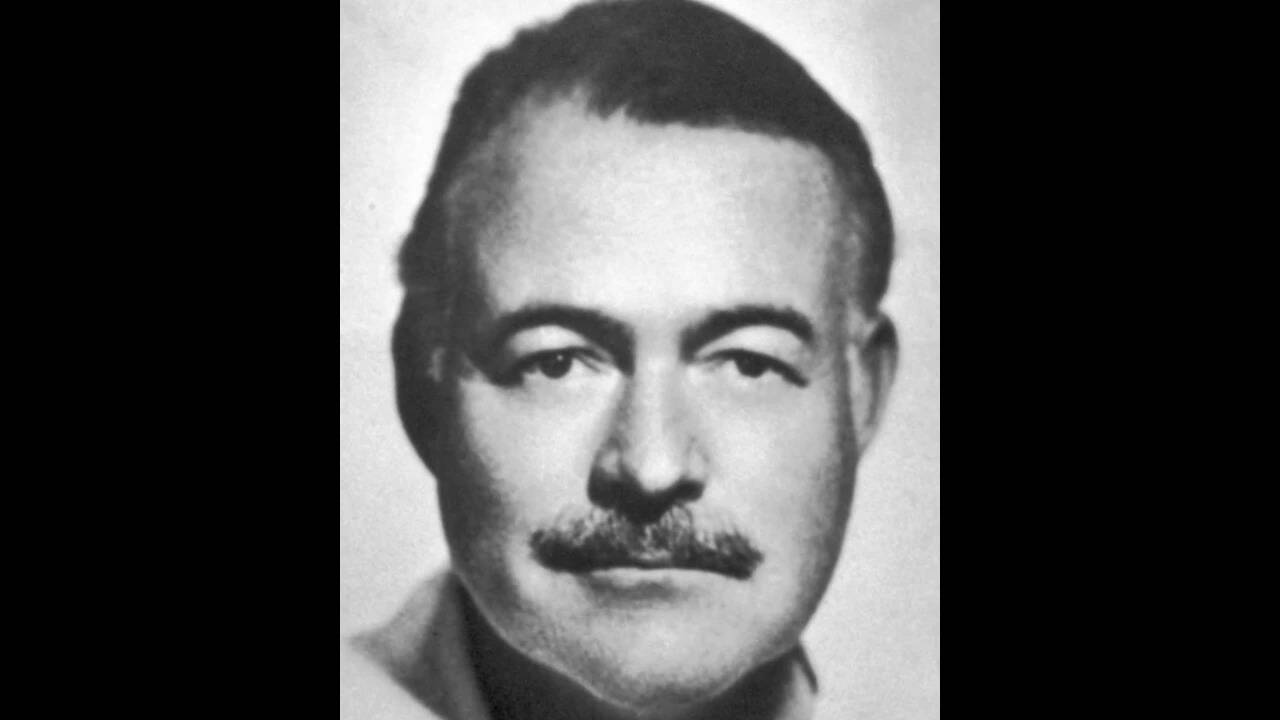
Every newsroom has a regular who talks too much after hours. Over cheap rye and indifferent lighting, grand plans materialize with absolute certainty. Contracts are signed in the air. Ventures are launched between refills. By morning, reality reasserts itself with a heavy headache and an immediate desire to hide from the phone.
We laugh at the old Hemingway line about doing sober what you promised while intoxicated, treating it as a clever piece of barroom wit. That joke misses the actual mechanism at play. The issue is never alcohol. The issue is the unchecked psychological state that leads anyone to make massive commitments without weighing the cost.
Self-discipline fails when people treat intention as execution. They confuse the emotional high of a bold declaration with actual progress. True personal accountability requires looking past the clever aphorisms and examining why human beings routinely sabotage their future schedules for the sake of immediate social validation.
The Chemistry of the Late Night Promise
Neuroscience explains why midnight ambition feels so intoxicating. When people gather late at night, especially with lowered inhibitions or simply under the influence of fatigue and emotional resonance, the brain's prefrontal cortex dials back its protective cynicism. Dopamine flows freely. Every idea feels revolutionary because the internal critic has clocked out for the shift.
This state produces a dangerous illusion of capability. A person believes they can wake up at five in the morning, run five miles, write three thousand words, and overhaul their career trajectory by noon. The mind constructs this fantasy without resistance because it requires zero energy to imagine.
[Late-Night Environment] ---> [Suppressed Prefrontal Cortex] ---> [Unrealistic Commitment] ---> [Morning Reality Check]
When the alarm rings, the biological tax collector arrives. The dopamine is gone. The physical energy reserves are depleted. The gap between the grandiose promise made under neon lights and the stark reality of Tuesday morning creates an acute sense of failure.
Social Currency and the Trap of Public Declarations
People love announcing their plans. Modern culture encourages this behavior through social media metrics, where ambition is monetized long before any actual work takes place. Announcing a major lifestyle overhaul or a massive business project triggers an immediate reward response from the audience.
The brain registers this external applause as if the work has already been completed. This phenomenon, known in psychological research as social reality, tricks the mind into feeling satisfied.
- The public declaration creates an artificial sense of progress.
- The dopamine hit arrives before a single brick is laid.
- The motivation to do the actual grinding work plummets because the reward has already been claimed.
This is why the quiet professionals usually win. They understand that talking about a goal depletes the psychological drive required to achieve it. They keep their mouths shut not out of modesty, but out of self-preservation.
The Cost of Overcommitment
Making commitments you cannot keep does more than cause personal embarrassment. It erodes self-trust. Every time a person breaks a promise to themselves, even one made foolishly late at night, they chip away at their internal credibility.
Eventually, the subconscious stops believing the conscious mind. When you say you will start the project, write the book, or fix the habit, your own brain rolls its eyes. You become a person whose word means nothing, starting with the person in the mirror.
Trust is difficult to rebuild with others. It is even harder to restore with yourself.
Fixing this dynamic requires a fundamental shift in how ambition is handled. Instead of relying on emotional surges, effective people build friction into their decision-making process. They institute a mandatory waiting period before committing to any major path. If an idea still holds merit after forty-eight hours of sober reflection, it moves from a daydream to a tentative plan.
The Mechanics of Quiet Execution
True self-discipline is entirely unglamorous. It does not look like a dramatic scene in a movie. It looks like a person sitting alone at a desk, doing mundane work when nobody is watching and nobody is cheering.
The Hemingway adage points to a sobering truth. If you make a foolish promise, you have to live with the consequences of carrying it out, or you have to swallow your pride and admit you spoke out of turn. Both outcomes teach a harsh lesson.
Stop announcing the destination. Stop trading future effort for present applause. Keep your plans small, your mouth shut, and your execution absolute.