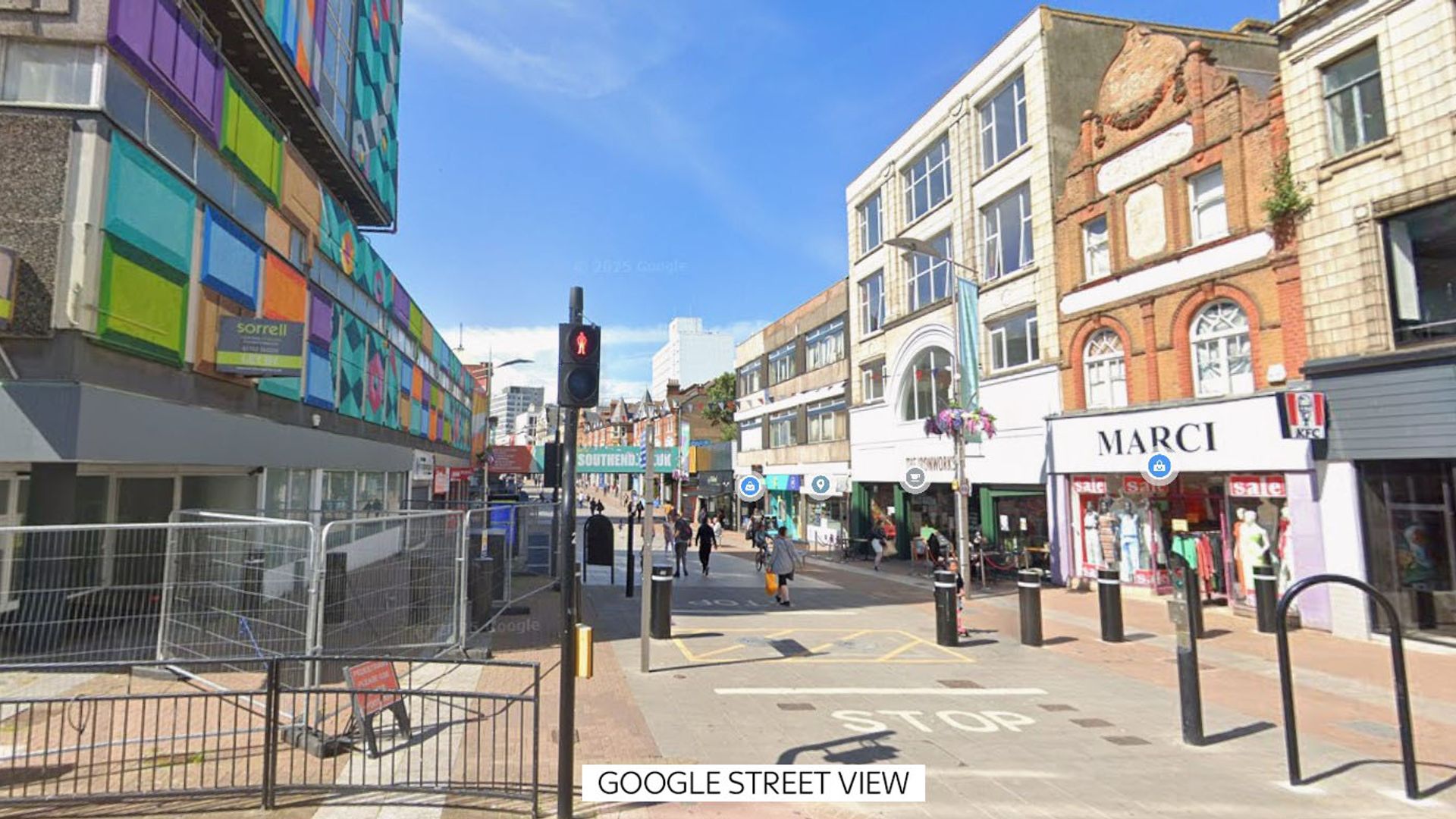
The media loves the word "large-scale." It’s a convenient piece of shorthand that paints a picture of chaos, a sudden eruption of violence that nobody could have seen coming. When reports hit the wire about two teenagers ending up in the hospital with knife wounds after a "street brawl," the narrative is always the same: a peaceful afternoon shattered by inexplicable aggression.
This is a lie.
Violence on this scale is almost never spontaneous. It is the end of a long, visible fuse that authorities and community leaders have ignored for months. By the time the first blade is drawn, the system has already failed. Calling it a "brawl" suggests a level of parity and randomness that masks the structural decay and targeted intent behind these incidents.
The Logistics of Escalation
Street violence isn’t a weather event. It doesn’t just "happen."
I have spent years looking at the data behind urban friction. The "lazy consensus" pushed by mainstream outlets suggests that we just need more boots on the ground and quicker response times. But a quicker response time only means the police get there in time to tape off the crime scene and count the casualties.
To understand why these teenagers are in the hospital, you have to look at the Pre-Incident Indicators (PIIs). These include:
- Digital Posturing: The conflict started weeks ago in private group chats or on social media platforms where threats are traded like currency.
- Territorial Drift: Groups moving outside their usual haunts to "test" the boundaries of rival factions.
- The Weaponization of Logistics: Large-scale incidents require coordination. People don't just happen to have knives at the exact same moment in the exact same park. They were brought there with intent.
The competitor's piece focuses on the aftermath—the sirens, the bandages, the police cordons. That’s the easy part. The hard part is admitting that this violence is a predictable byproduct of a society that has replaced community intelligence with reactive optics.
Stop Blaming "The Youth" and Start Blaming the Map
We treat these incidents as failures of character. We talk about "wayward teens" or "lack of discipline." This is a shallow, suburban take that ignores the reality of the environment.
Street brawls are often a desperate attempt to exert control over a world that offers none. When you strip away youth centers, mental health support, and economic mobility, you create a vacuum. In that vacuum, status isn't earned through grades or jobs; it’s earned through the physical defense of a postcode.
If you want to solve this, stop looking at the knives. Start looking at the urban planning.
Imagine a scenario where a local council shuts down the only three viable spaces for teenagers to congregate within a five-mile radius. You have now forced disparate groups into "neutral" ground—usually high-traffic retail or transit hubs. You haven't removed the tension; you've compressed it. Physics tells us what happens when you compress a gas in a small container. Why do we expect human sociology to be any different?
The Fallacy of the "Deterrent"
The standard response to a "large-scale" incident is a temporary surge in stop-and-search or a "crackdown" on local activity. This is theater. It’s designed to make the voting public feel safe while doing nothing to address the core mechanics of the violence.
Deterrence only works if the actors involved value their future more than their current status. For many of the individuals involved in these brawls, the risk of a hospital bed or a prison cell is a secondary concern to the immediate risk of being perceived as weak.
The Hierarchy of Risk in the Street:
- Loss of Status: Seen as a social death.
- Retaliation: The physical threat from peers.
- Legal Consequences: A distant, often abstract threat.
By the time the police are "appealing for witnesses," the cycle has already reset. The two teens in the hospital aren't just victims; they are now catalysts for the next incident. Their wounds are the justification for the next "large-scale" event.
Actionable Intervention Over Empty Outrage
The current strategy is a cycle of: Incident -> Outrage -> Investigation -> Silence. If we want to disrupt this, we have to move toward Hyper-Local Intelligence Networks. This isn't about snitching; it's about understanding the social graph of a neighborhood.
I’ve seen cities try to "police" their way out of this by spending millions on high-tech surveillance. It fails every time because cameras can only see what happened, not why it’s about to happen. True authority comes from the "interrupters"—the people who actually know the names of the kids on the corner and can de-escalate a beef before it becomes a headline.
We need to stop asking "How did this happen?" and start asking "Where is the next one scheduled?" Because it is scheduled. It’s in a DM right now. It’s in a coded message on a story. It’s being organized while the police are still writing the report for the last one.
The "street brawl" isn't the problem. It’s the symptom of a systemic refusal to engage with the reality of urban friction until there’s blood on the pavement.
Stop reading the police reports and start reading the room. The teenagers in the hospital are a warning. If you keep ignoring the fuse, don't act surprised when the bomb goes off.
Get off the sidelines. Fix the environment, or get used to the sirens.